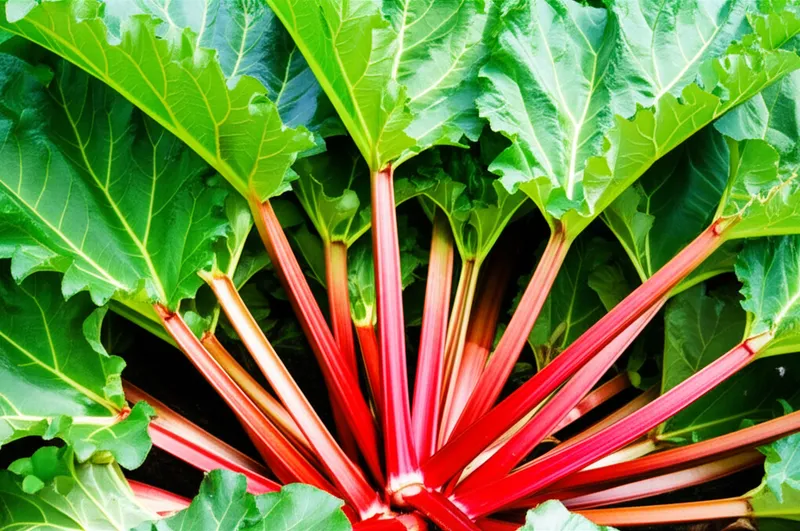

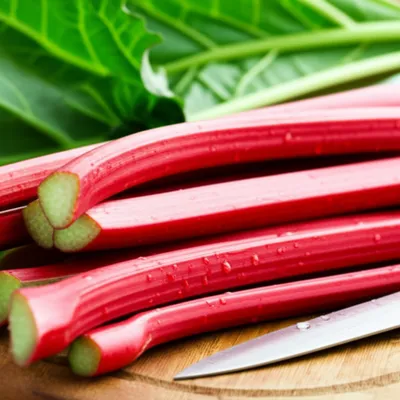
noun🔗Share대황Any plant of the genus Rheum, especially Rheum rhabarbarum, having large leaves and long green or reddish acidic leafstalks that are edible, in particular when cooked (although the leaves are mildly poisonous)."My grandmother's rhubarb pie is a family favorite. "우리 할머니의 대황 파이는 가족들이 가장 좋아하는 음식입니다.plantfoodvegetableChat with AIVocabulary GamePractice Reading
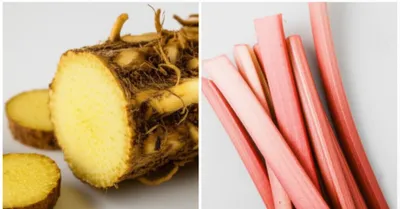
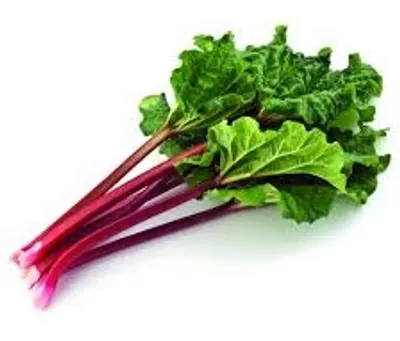
noun🔗Share루바브The leafstalks of common rhubarb or garden rhubarb (usually known as Rheum × hybridum), which are long, fleshy, often pale red, and with a tart taste, used as a food ingredient; they are frequently stewed with sugar and made into jam or used in crumbles, pies, etc."My grandmother's garden always has plenty of rhubarb, which she uses to make delicious pies. "할머니의 정원에는 항상 루바브가 많아서 맛있는 파이를 만드는 데 사용합니다.vegetablefoodplantChat with AIVocabulary GamePractice Reading
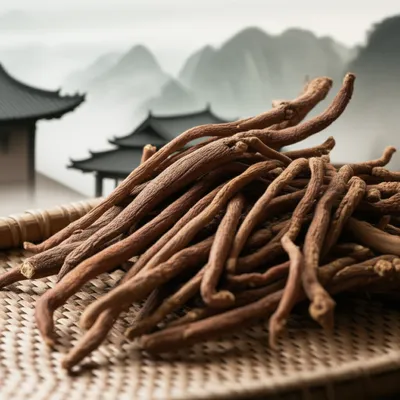
noun🔗Share대황 뿌리The dried rhizome and roots of Rheum palmatum (Chinese rhubarb) or Rheum officinale (Tibetan rhubarb), from China, used as a laxative and purgative."My grandmother uses rhubarb to make a natural laxative tea. "할머니는 천연 완하제 차를 만들기 위해 대황 뿌리를 사용하신다.medicineplantvegetablefoodChat with AIVocabulary GamePractice Reading
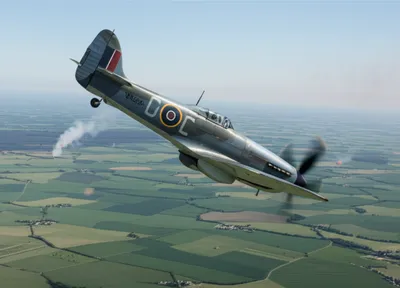
noun🔗Share루바브 (제2차 세계 대전 중 영국 공군의 저고도 작전을 위한 암호명)A Royal Air Force World War II code name for operations by aircraft (fighters and fighter-bombers) involving low-level flight to seek opportunistic targets."During World War II, a pilot received orders for a "rhubarb," meaning he was to fly at low altitude looking for enemy targets of opportunity. "제2차 세계 대전 중, 한 조종사는 적의 기회를 노리는 목표물을 찾기 위해 저고도로 비행하라는 의미의 "루바브" 작전 명령을 받았다.militarywaractionhistoryChat with AIVocabulary GamePractice Reading
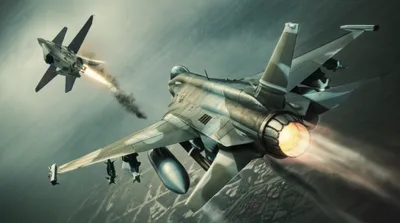
verb🔗Share사격하다Of fighter aircraft: to fire at a target opportunistically."The fighter pilot ruthlessly rhubarbed the enemy drone, firing when it was most vulnerable. "전투기 조종사는 가장 취약한 순간에 사격하며 적 드론을 무자비하게 사격했다.militaryvehicleweaponwaractionChat with AIVocabulary GamePractice Reading
adjective🔗Share루바브색의Of the colour of rhubarb: either brownish-yellow (the colour of rhubarb rhizomes and roots used for medicinal purposes), or pale red (often the colour of the leafstalks of common rhubarb)."The rhubarb-coloured tablecloth matched the new chairs perfectly. "루바브색 식탁보는 새 의자와 완벽하게 어울렸다.colorplantvegetablefoodappearanceChat with AIVocabulary GamePractice Reading
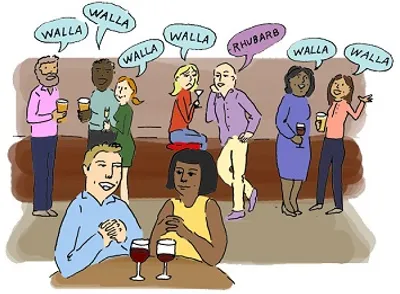
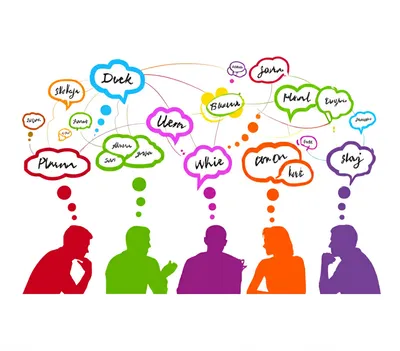
noun🔗Share웅성거림, 왁자지껄(originally theater) General background noise caused by several simultaneous indecipherable conversations, which is created in films, stage plays, etc., by actors repeating the word rhubarb; hence, such noise in other settings; rhubarb rhubarb, rhubarb rhubarb rhubarb."The noisy cafeteria was filled with rhubarb, making it hard to hear the announcements. "시끄러운 카페테리아는 웅성거림으로 가득 차서 방송을 듣기 어려웠다.entertainmentsoundstagelanguagecommunicationChat with AIVocabulary GamePractice Reading
noun🔗Share말다툼, 언쟁(originally baseball) An excited, angry exchange of words, especially at a sporting event."The rhubarb between the two teams' coaches after the game was intense. "경기 후 두 팀 코치들 간의 말다툼은 격렬했다.sportlanguageentertainmentChat with AIVocabulary GamePractice Reading
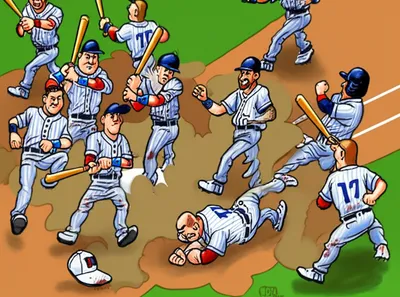
noun🔗Share싸움, 난투(originally baseball, by extension) A brawl."The argument between the two classmates escalated into a rhubarb on the school playground. "두 반 친구의 말다툼은 학교 운동장에서 싸움으로 번졌다.sportactionentertainmentChat with AIVocabulary GamePractice Reading
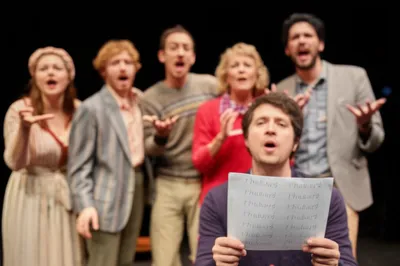
verb🔗Share얼버무리다, 중얼거리다(originally theater) Of an actor in a film, stage play, etc.: to repeat the word rhubarb to create the sound of indistinct conversation; hence, to converse indistinctly, to mumble."During the school play, the actors were supposed to rhubarb their lines to simulate a noisy, crowded marketplace. "학교 연극 중에 배우들은 시끄럽고 붐비는 시장을 흉내내기 위해 대사를 얼버무려야 했다.entertainmentstagesoundlanguagecommunicationChat with AIVocabulary GamePractice Reading
verb🔗Share중얼거리다, 횡설수설하다To articulate indistinctly or mumble (words or phrases); to say inconsequential or vague things because one does not know what to say, or to stall for time."The student, unprepared for the presentation, began to rhubarb about the weather, hoping the teacher would run out of time. "발표를 준비하지 못한 학생은 선생님의 시간이 다 되기를 바라며 날씨에 대해 중얼거리기 시작했다.languagecommunicationwordChat with AIVocabulary GamePractice Reading