













verb🔗Share잡다, 쥐다To hold tightly, to clasp."The mother strained the small child's hand tightly as they crossed the busy street. "어머니는 붐비는 거리를 건너면서 어린 아이의 손을 꽉 잡았다.actionbodyChat with AIVocabulary GamePractice Reading
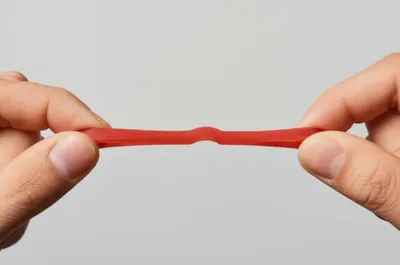
verb🔗Share힘주어 늘이다, 팽팽하게 하다To apply a force or forces to by stretching out."Relations between the United States and Guatemala traditionally have been close, although at times strained by human rights and civil/military issues."미국과 과테말라의 관계는 전통적으로 가까웠지만, 인권 및 시민/군사 문제로 인해 때때로 긴장되기도 했습니다.actionphysicsChat with AIVocabulary GamePractice Reading
verb🔗Share무리하다, 삐다To damage by drawing, stretching, or the exertion of force."The gale strained the timbers of the ship."강풍은 배의 목재에 무리를 주었다.bodymedicinephysiologyactionChat with AIVocabulary GamePractice Reading
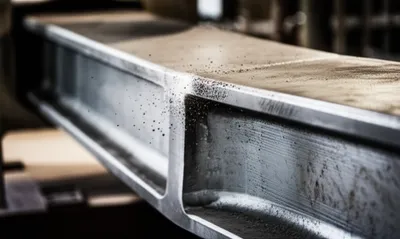
verb🔗Share힘주다, 팽팽하게 하다To act upon, in any way, so as to cause change of form or volume, as when bending a beam."The heavy books were straining the shelf, causing it to sag in the middle. "무거운 책들이 선반에 힘을 가하여 가운데가 처지게 만들었다.technicalphysicsChat with AIVocabulary GamePractice Reading
verb🔗Share애쓰다, 힘쓰다To exert or struggle (to do something), especially to stretch (one's senses, faculties etc.) beyond what is normal or comfortable."Sitting in back, I strained to hear the speaker."뒤에 앉아서, 나는 연사의 말을 들으려고 애썼다.actionphysiologybodymindsensationChat with AIVocabulary GamePractice Reading
verb🔗Share무리하다, 왜곡하다To stretch beyond its proper limit; to do violence to, in terms of intent or meaning."to strain the law in order to convict an accused person"피고인을 유죄로 만들기 위해 법을 무리하게 적용하다.actionmindbodylanguagecommunicationChat with AIVocabulary GamePractice Reading
verb🔗Share거르다, 체로 치다To separate solid from liquid by passing through a strainer or colander"She was straining the cooked pasta to remove the water. "그녀는 물을 제거하기 위해 삶은 파스타를 거르고 있었다.foodutensilprocessChat with AIVocabulary GamePractice Reading
verb🔗Share여과하다, 거르다To percolate; to be filtered."water straining through a sandy soil"모래 토양을 통해 여과되는 물.processfooddrinkutensilChat with AIVocabulary GamePractice Reading
verb🔗Share긴장시키다, 애쓰다, 억누르다To make uneasy or unnatural; to produce with apparent effort; to force; to constrain."He was straining to lift the heavy box. "그는 무거운 상자를 들기 위해 애쓰고 있었다.actionphysiologymindChat with AIVocabulary GamePractice Reading
verb🔗Share간청하다, 졸라대다To urge with importunity; to press."to strain a petition or invitation"청원이나 초대를 간청하다.actiondemandChat with AIVocabulary GamePractice Reading
verb🔗Share껴안다, 껴안아주다Hug somebody; to hold somebody tightly."After a long day at school, the little girl ran to her mother, straining her in a tight hug. "학교에서 긴 하루를 보낸 후, 어린 소녀는 엄마에게 달려가 꽉 껴안았다.bodyactionhumanfamilysensationChat with AIVocabulary GamePractice Reading
verb🔗Share낳다, 낳아, 낳다To beget, generate (of light), engender, copulate (both of animals and humans), lie with, be born, come into the world."A man straineth, liveth, then dieth."남자는 태어나고, 살다가 죽는다.physiologybiologysexanimalhumanbodyfamilyorganismChat with AIVocabulary GamePractice Reading
noun🔗Share긴장, 힘듦The act by which one strains. (muscles, etc)"After hours of heavy lifting, the worker felt a painful straining in his lower back. "몇 시간 동안 무거운 것을 든 후, 그 노동자는 허리에 고통스러운 긴장을 느꼈다.physiologyanatomybodyactionChat with AIVocabulary GamePractice Reading
noun🔗Share거르기, 여과 과정Filtering, the process of passing something through a strainer."After the pasta was cooked, the straining removed all the boiling water, leaving just the noodles in the colander. "파스타를 요리한 후, 거르기를 통해 모든 끓는 물을 제거하여 체에 국수만 남겼습니다.processutensilfoodChat with AIVocabulary GamePractice Reading