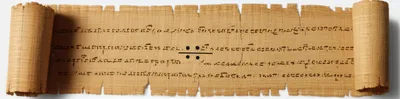
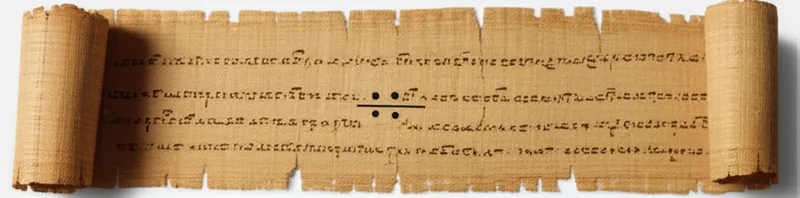
noun Télécharger 🔗Partager Obèle, signe de doute ou d'authenticité douteuse A symbol resembling a horizontal line (–), sometimes together with one or two dots (for example, ⨪ or ÷), which was used in ancient manuscripts and texts to mark a word or passage as doubtful or spurious, or redundant; an obelisk. Examples : "The editor used an obelus next to the sentence in the old manuscript, indicating he suspected it was a later addition and not part of the original text. " L'éditeur a utilisé un obèle à côté de la phrase dans l'ancien manuscrit, indiquant qu'il soupçonnait qu'il s'agissait d'un ajout ultérieur et non d'une partie du texte original. writing language mark literature history sign word Chat avec IAJeu de vocabulairePratiquer la lecture
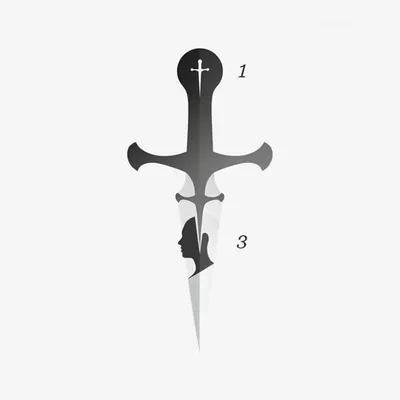
noun Télécharger 🔗Partager Obèle, dague, signe de référence A dagger symbol (†), which is used in printed matter as a reference mark to refer the reader to a footnote, marginal note, etc.; beside a person's name to indicate that the person is deceased; or beside a date to indicate that it is a person's death date; an obelisk. Examples : "The footnote explaining the unusual plant name was marked with an obelus. " La note de bas de page expliquant le nom de plante inhabituel était marquée d'un obèle. mark writing language history communication Chat avec IAJeu de vocabulairePratiquer la lecture