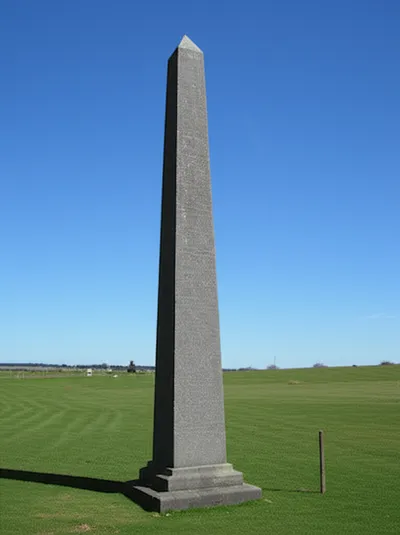
noun Télécharger 🔗Partager Obélisque A tall, square, tapered, stone monolith topped with a pyramidal point, frequently used as a monument. Examples : "In the park, a tall obelisk stood as a memorial to the town's war veterans. " Dans le parc, un grand obélisque se dressait en mémoire des anciens combattants de la ville. architecture history art culture Chat avec IAJeu de vocabulairePratiquer la lecture
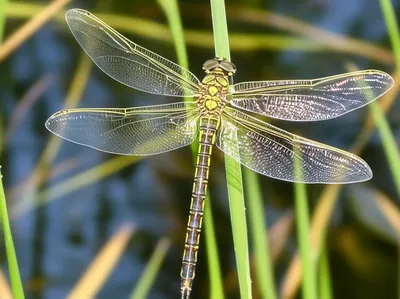
verb Télécharger 🔗Partager Adopter la posture de l'obélisque (of a dragonfly) To adopt the obelisk posture; to point the tip of the abdomen towards the sun. Examples : "The dragonfly obelisked, its abdomen pointed directly at the afternoon sun. " La libellule a adopté la posture de l'obélisque, son abdomen pointé directement vers le soleil de l'après-midi. animal insect biology physiology nature Chat avec IAJeu de vocabulairePratiquer la lecture
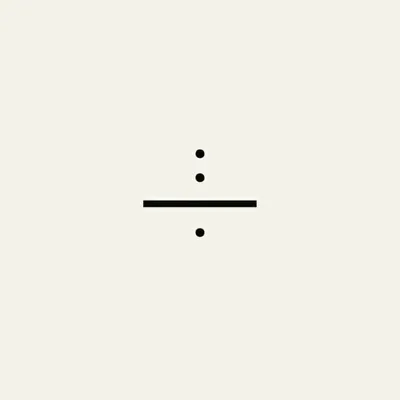
noun Télécharger 🔗Partager Un symbole ressemblant à une ligne horizontale (–), parfois avec un ou deux points (par exemple, ⨪ ou ÷), qui était utilisé dans les manuscrits et textes anciens pour marquer un mot ou un passage comme douteux, faux ou redondant ; un obélisque. A symbol resembling a horizontal line (–), sometimes together with one or two dots (for example, ⨪ or ÷), which was used in ancient manuscripts and texts to mark a word or passage as doubtful or spurious, or redundant; an obelisk. Examples : "The scholar noted that several sections of the ancient scroll were marked with an obelisk, indicating passages of questionable authenticity. " L'érudit a noté que plusieurs sections du parchemin antique étaient marquées d'un obélisque, indiquant des passages d'authenticité douteuse. writing language literature mark history archaeology word Chat avec IAJeu de vocabulairePratiquer la lecture
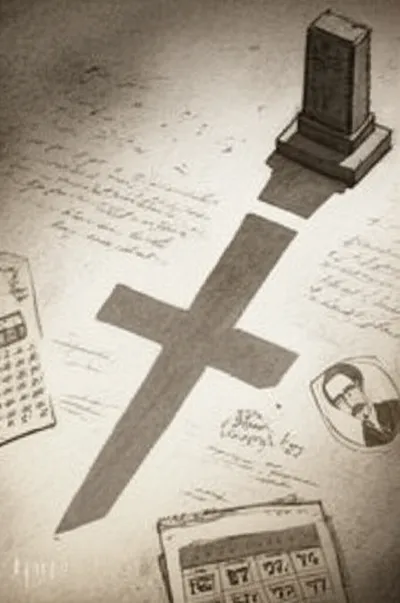
noun Télécharger 🔗Partager Obélisque, obèle A dagger symbol (†), which is used in printed matter as a reference mark to refer the reader to a footnote, marginal note, etc.; beside a person's name to indicate that the person is deceased; or beside a date to indicate that it is a person's death date; an obelisk. Examples : "In the historical document, the name "John Smith†" uses the obelisk to indicate that John Smith is deceased. " Dans le document historique, le nom « John Smith† » utilise l'obèle pour indiquer que John Smith est décédé. mark writing architecture history culture Chat avec IAJeu de vocabulairePratiquer la lecture