





verb🔗ShareExclure, bannirTo cast out; to banish."The school outcast him for his disruptive behavior. "L'école l'a exclu en raison de son comportement perturbateur.societygroupcultureChat with AIVocabulary GamePractice Reading
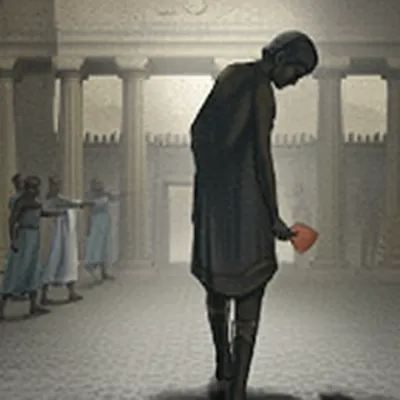
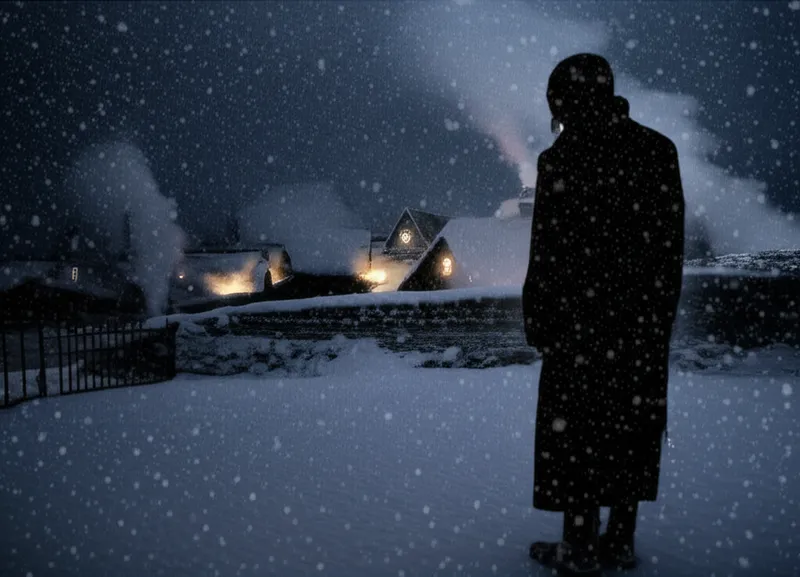
adjective🔗ShareRejeté, banniThat has been cast out; banished, ostracized."Because of his constant lying, he became an outcast within his own family. "À cause de ses mensonges constants, il est devenu un rejeté au sein de sa propre famille.societyculturehumanChat with AIVocabulary GamePractice Reading
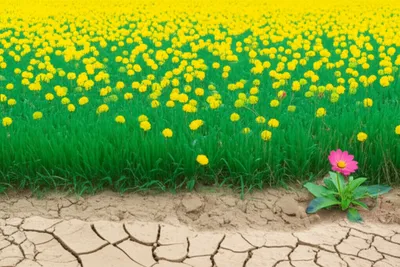
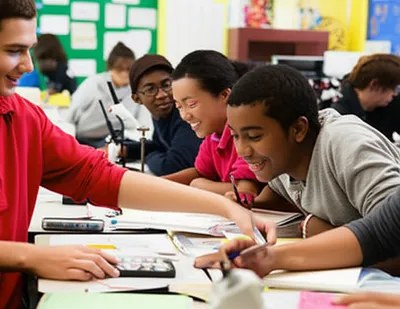
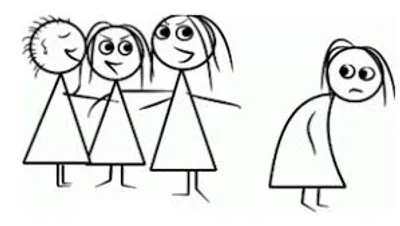
noun🔗ShareParia, rejetéOne that has been excluded from a society or system, a pariah."The student felt like an outcast after he moved to a new school and nobody would talk to him. "L'élève se sentait comme un paria après avoir déménagé dans une nouvelle école et que personne ne lui parlait.societypersonculturecharacterChat with AIVocabulary GamePractice Reading
noun🔗ShareUn paria, un marginal(more generally) Someone who does not belong; a misfit."The new student felt like an outcast at school because he didn't speak the same language as his classmates. "Le nouvel élève se sentait comme un paria à l'école parce qu'il ne parlait pas la même langue que ses camarades de classe.personcharactersocietyculturegroupChat with AIVocabulary GamePractice Reading
noun🔗ShareQuerelle, disputeA quarrel."The family's recent argument was a bitter outcast, creating tension for weeks. "La récente dispute de la famille a été une querelle amère, créant des tensions pendant des semaines.groupsocietycharacterChat with AIVocabulary GamePractice Reading
noun🔗ShareL'augmentation de volume du grain lors du maltageThe amount of increase in bulk of grain in malting."The barley's high outcast during the malting process resulted in a larger yield. "L'augmentation importante du volume de l'orge pendant le maltage a entraîné un rendement plus important.agriculturetechnicalprocessChat with AIVocabulary GamePractice Reading