




noun🔗ShareMot de remplacementUsed to replace a word that might be considered unacceptable in a particular situation, when using a well-known phrase."Instead of saying "He's a terrible student," the teacher used the proverbial "He needs extra help." "Au lieu de dire « C'est un élève terrible », le professeur a utilisé le mot de remplacement « Il a besoin d'aide supplémentaire ».languagewordcommunicationChat with AIVocabulary GamePractice Reading
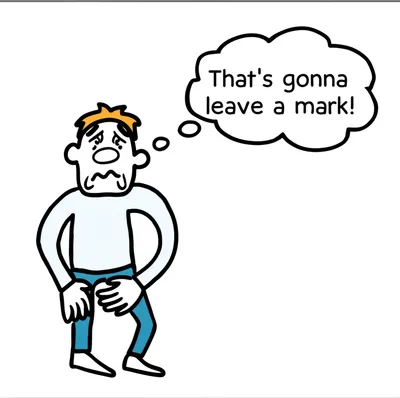
noun🔗ShareAine, testiculesThe groin or the testicles."My grandfather often joked about the pain in his proverbial during his younger years. "Mon grand-père plaisantait souvent de la douleur à l'aine pendant sa jeunesse.anatomysexbodyorganChat with AIVocabulary GamePractice Reading
adjective🔗ShareProverbial, proverbialementOf, resembling, or expressed as a proverb, cliché, fable, or fairy tale."My grandfather's proverbial wisdom about saving money was often repeated by the family. "La sagesse proverbiale de mon grand-père en matière d'épargne était souvent répétée par la famille.storyliteraturetraditionphraselanguagecultureChat with AIVocabulary GamePractice Reading
adjective🔗ShareProverbial, figuréNot used in a literal sense, but as the subject of a well-known metaphor."proverbial spilled milk"Le lait renversé proverbiallanguageliteraturecommunicationphraseChat with AIVocabulary GamePractice Reading
adjective🔗ShareProverbial, célèbre, stéréotypéWidely known; famous; stereotypical."I grew up in a prefab house on Main Street in 1950s suburbia, the second and last child of a proverbial nuclear family."J'ai grandi dans une maison préfabriquée sur Main Street dans la banlieue des années 1950, le deuxième et dernier enfant d'une famille nucléaire proverbiale.culturelanguageliteratureChat with AIVocabulary GamePractice Reading