verb Télécharger 🔗Partager S'emporter, fulminer To act or speak in heightened anger. Examples : "After discovering someone had stolen his lunch, Mark was raging about the injustice. " Après avoir découvert que quelqu'un avait volé son déjeuner, Mark fulminait contre l'injustice. emotion attitude character Chat avec IAJeu de vocabulairePratiquer la lecture
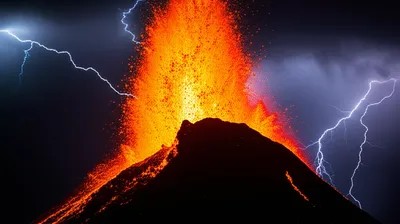
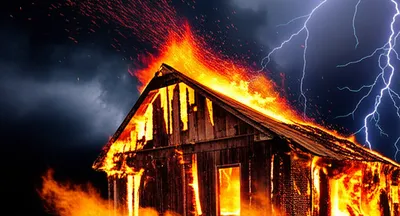
verb Télécharger 🔗Partager Faire rage, déchaîner (sometimes figurative) To move with great violence, as a storm etc. Examples : "The wildfire was raging through the forest, destroying everything in its path. " L'incendie faisait rage à travers la forêt, détruisant tout sur son passage. weather nature disaster energy Chat avec IAJeu de vocabulairePratiquer la lecture
verb Télécharger 🔗Partager Faire rage, s'emporter To enrage. Examples : "The bad news about the test score really raged her. " La mauvaise nouvelle concernant les résultats du test l'a vraiment fait s'emporter. emotion Chat avec IAJeu de vocabulairePratiquer la lecture
noun Télécharger 🔗Partager Déchaînement, fureur A display of rage. Examples : "After the mistake was discovered, the manager was confronted with a raging from his team. " Après la découverte de l'erreur, le manager a été confronté à la fureur de son équipe. emotion Chat avec IAJeu de vocabulairePratiquer la lecture
adjective Télécharger 🔗Partager Déchaîné, enragé Volatile, very active or unpredictable. Examples : "A raging storm kept us indoors." Une tempête déchaînée nous a gardés à l'intérieur. nature environment disaster weather condition energy emotion Chat avec IAJeu de vocabulairePratiquer la lecture
adjective Télécharger 🔗Partager Furieux, enragé (of a person) In a state of rage; in a state of extreme, often uncontrollable, anger. Examples : "The raging customer yelled at the cashier after finding a hair in his soup. " Le client furieux a crié sur le caissier après avoir trouvé un cheveu dans sa soupe. emotion mind character person Chat avec IAJeu de vocabulairePratiquer la lecture