

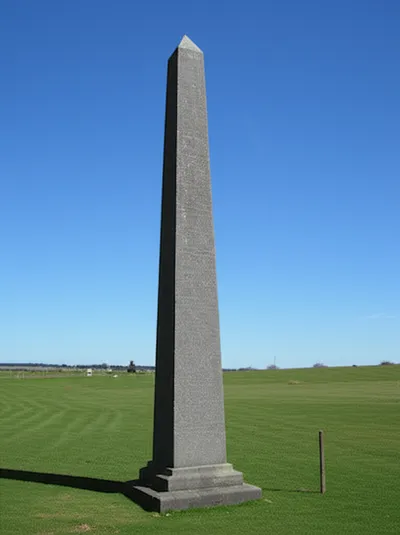

noun🔗ShareオベリスクA tall, square, tapered, stone monolith topped with a pyramidal point, frequently used as a monument."In the park, a tall obelisk stood as a memorial to the town's war veterans. "公園には、町の戦争退役軍人の記念碑として、高いオベリスクが立っていました。architecturehistoryartcultureChat with AIVocabulary GamePractice Reading
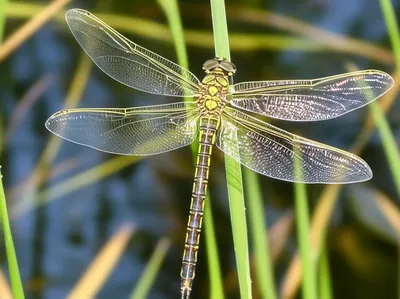
verb🔗Shareオベリスク姿勢をとる(of a dragonfly) To adopt the obelisk posture; to point the tip of the abdomen towards the sun."The dragonfly obelisked, its abdomen pointed directly at the afternoon sun. "トンボはオベリスク姿勢をとり、その腹部は午後の太陽をまっすぐに指していた。animalinsectbiologyphysiologynatureChat with AIVocabulary GamePractice Reading
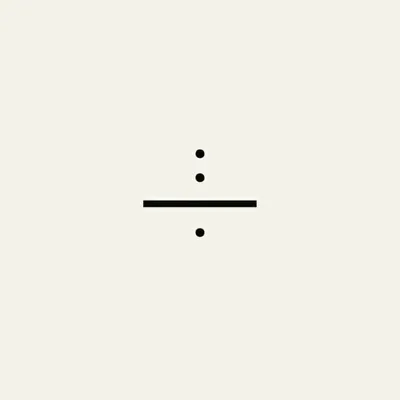
noun🔗Share水平線 (–) に似た記号で、時には1つまたは2つの点 (例: ⨪ または ÷) と共に、古代の写本やテキストで単語や一節を疑わしい、偽物、または冗長なものとしてマークするために使用されました。オベリスク。A symbol resembling a horizontal line (–), sometimes together with one or two dots (for example, ⨪ or ÷), which was used in ancient manuscripts and texts to mark a word or passage as doubtful or spurious, or redundant; an obelisk."The scholar noted that several sections of the ancient scroll were marked with an obelisk, indicating passages of questionable authenticity. "学者は、古代の巻物のいくつかのセクションがオベリスクでマークされており、信憑性に疑問のある箇所を示していることに注目した。writinglanguageliteraturemarkhistoryarchaeologywordChat with AIVocabulary GamePractice Reading
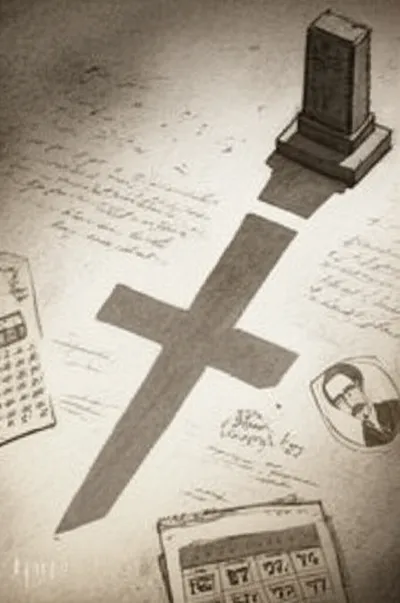
noun🔗Shareオベリスク、ダガーA dagger symbol (†), which is used in printed matter as a reference mark to refer the reader to a footnote, marginal note, etc.; beside a person's name to indicate that the person is deceased; or beside a date to indicate that it is a person's death date; an obelisk."In the historical document, the name "John Smith†" uses the obelisk to indicate that John Smith is deceased. "歴史的文書では、「John Smith†」という名前は、John Smithが故人であることを示すためにダガーを使用しています。markwritingarchitecturehistorycultureChat with AIVocabulary GamePractice Reading