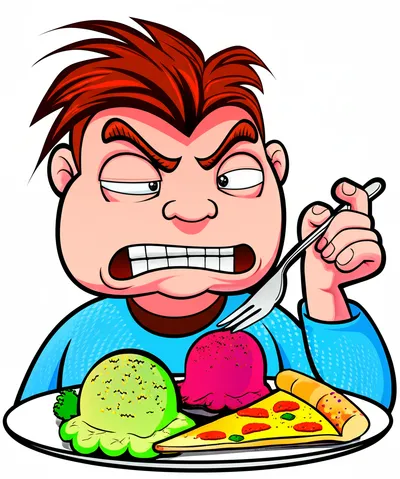



adjective🔗Share不機嫌な, いらいらしたCharacterized by or exhibiting petty bad temper, bad-tempered, moody, cross."I would rather figure things out on my own than ask that peevish librarian for help."あの不機嫌な司書に助けを求めるより、自分で解決したい。characterattitudeemotionChat with AIVocabulary GamePractice Reading
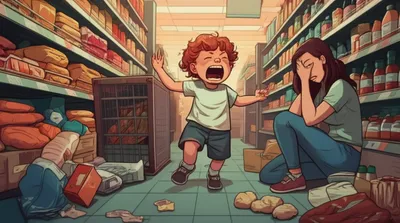
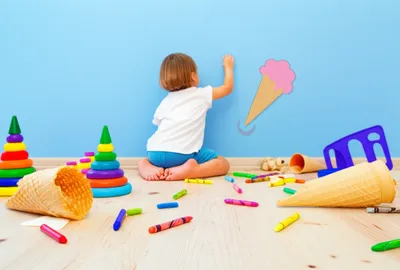
adjective🔗Share不機嫌な, いらいらしたConstantly complaining, whining; childishly fretful."The toddler became peevish after missing his afternoon nap, complaining about everything from his toys to his snack. "午後の昼寝を逃した後、幼児は不機嫌になり、おもちゃからおやつまで、あらゆることに不平を言いました。characterattitudeemotionpersonChat with AIVocabulary GamePractice Reading
adjective🔗Share不機嫌な, いらいらしたEasily annoyed, especially by things that are not important; irritable, querulous."The toddler became peevish after missing his nap, whining and complaining about everything. "昼寝を逃した幼児は不機嫌になり、すべてについて泣き言を言い、不平を言いました。characteremotionattitudeChat with AIVocabulary GamePractice Reading
adjective🔗Share不機嫌な, いらいらした(adverb) Peevishly."Sentence: "Because she was tired and hungry, the toddler acted peevish, whining and refusing to hold her mother's hand." "疲れてお腹が空いていたため、その幼児は不機嫌になり、泣き言を言い、母親の手を握るのを拒否しました。characterattitudeemotionChat with AIVocabulary GamePractice Reading
adjective🔗Share賢い, 達者なClever, expert."This definition of "peevish" is incorrect. The definition of the word "peevish" is easily irritated or annoyed. Here is a sentence illustrating the word "peevish" with its actual definition: The toddler was peevish after missing his afternoon nap. "その幼児は午後の昼寝を逃した後、不機嫌だった。characterattitudeChat with AIVocabulary GamePractice Reading
adjective🔗Share鋭い、刺すような、厳しい(風の);風の強い、吹き荒れる(天気の)Sharp, piercing, bitter (of the wind); windy, blustery (of the weather)."The peevish wind cut right through my thin jacket as I walked to school. "学校に向かう途中、鋭い風が私の薄いジャケットを突き抜けた。weathernatureChat with AIVocabulary GamePractice Reading
adjective🔗Share不機嫌な, わがままな, 気まぐれなPerverse, refractory; headstrong, obstinate; capricious, skittish; (also) coy."After missing her afternoon nap, the toddler became peevish and refused to share her toys. "午後の昼寝を逃した後、幼児は不機嫌になり、おもちゃを共有することを拒否しました。characterattitudeemotionChat with AIVocabulary GamePractice Reading
adjective🔗Share愚かな, ばかげたSilly, senseless, foolish."My brother had a peevish reaction to losing the game, complaining about every call the referee made. "兄は試合に負けて愚かな反応をし、審判のすべての判定について文句を言った。characterattitudemindemotionChat with AIVocabulary GamePractice Reading
adjective🔗Share不機嫌な, いらいらしたBeside oneself; out of one's senses; mad."After missing her bus and spilling coffee on her shirt, Sarah was incredibly peevish and snapped at anyone who spoke to her. "バスに乗り遅れ、シャツにコーヒーをこぼした後、サラは信じられないほど不機嫌になり、話しかけてきた人に怒鳴りつけました。mindemotionattitudecharacterChat with AIVocabulary GamePractice Reading
adjective🔗Share不機嫌な, いらいらしたSpiteful, malignant, mischievous, harmful."The peevish child complained about everything, even the smallest things, trying to annoy his siblings. "不機嫌な子供は、兄弟を困らせようと、些細なことまで全てに文句を言いました。characterattitudenegativeemotionmindChat with AIVocabulary GamePractice Reading
adjective🔗Share不機嫌な, 嫌な, 忌まわしいHateful, distasteful, horrid."The spoiled child threw a peevish tantrum when his mother refused to buy him another toy. "わがままな子供は、母親が別のおもちゃを買うのを拒否したとき、不機嫌なかんしゃくを起こした。characterattitudeemotionChat with AIVocabulary GamePractice Reading