
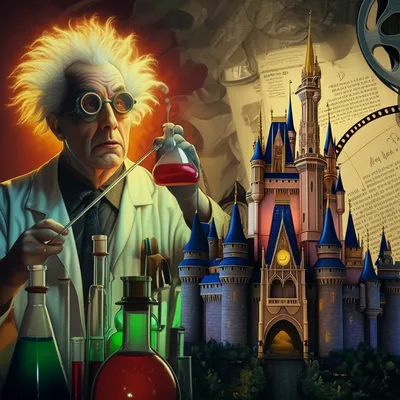

noun🔗Share常套句、決まり文句Something recurring across a genre or type of art or literature, such as the ‘mad scientist’ of horror movies or the use of the phrase ‘once upon a time’ as an introduction to fairy tales; a motif."The movie used common horror movie tropes, like a creepy old house and characters making bad decisions. "その映画は、不気味な古い家や、悪い決断をする登場人物など、一般的なホラー映画の決まり文句を使用していた。storyliteratureartmediastyletypecultureChat with AIVocabulary GamePractice Reading
noun🔗Share比喩, 隠喩A figure of speech in which words or phrases are used with a nonliteral or figurative meaning, such as a metaphor."Many romantic comedies rely on familiar tropes, like the enemies-to-lovers storyline and the grand gesture at the airport. "多くのロマンチックコメディは、敵から恋人への物語や空港での大げさなジェスチャーなど、おなじみの比喩に頼っています。literaturelanguagestylecommunicationwritingphraseChat with AIVocabulary GamePractice Reading
noun🔗Share数学的感覚Mathematical senses."While literary analysis discusses common narrative tropes, mathematicians use different tropes to categorize transformations within geometric spaces. "文学分析が一般的な物語の比喩を議論する一方で、数学者は幾何空間内の変換を分類するために、異なる数学的感覚を使用します。mathnumberChat with AIVocabulary GamePractice Reading
noun🔗Share音楽的センスMusical senses."The composer used familiar musical tropes, like a rising major scale to indicate hope and a descending minor chord progression to suggest sadness, to quickly convey the emotional tone of the scene. "作曲家は、希望を示すために上昇する長音階や、悲しさを暗示するために下降する短和音進行など、おなじみの音楽的センスを使用して、シーンの感情的なトーンを迅速に伝えました。musicChat with AIVocabulary GamePractice Reading
noun🔗Share哲学的な意味Philosophical senses."The philosophy professor discussed how common tropes about time, like its linear progression, are challenged in different cultures and philosophical schools of thought. "哲学の教授は、時間の直線的な進行など、時間に関する一般的な哲学的な意味が、さまざまな文化や哲学的な学派でどのように異議を唱えられているかについて議論しました。philosophylogicChat with AIVocabulary GamePractice Reading
verb🔗Share比喩を用いる、比喩で飾るTo use, or embellish something with, a trope."The scriptwriter decided to trope the dramatic scene with a sudden, unexpected twist, hoping to surprise the audience. "脚本家は、観客を驚かせようと、突然の予期せぬ展開で劇的なシーンを比喩で飾ることにした。languageliteraturewritingstylemediaChat with AIVocabulary GamePractice Reading
verb🔗Share比喩を使う, 隠喩を用いるSenses relating chiefly to art or literature."You're right, "trope" is generally used as a noun, not a verb. My apologies! Here's a sentence using "tropes" as a noun that fits your criteria: The romantic comedy relied heavily on familiar tropes, like the mistaken identity and the grand gesture. "おっしゃる通り、「trope」は一般的に動詞ではなく名詞として使われます。申し訳ありません!あなたの基準に合うように「tropes」を名詞として使用した文はこちらです:ロマンチックコメディは、誤った身元や大げさなジェスチャーなど、おなじみの比喩に大きく依存していました。artliteraturestylelanguagewritingphraseChat with AIVocabulary GamePractice Reading
verb🔗Share比喩表現を用いる, 隠喩で書くTo think or write in terms of tropes."Instead of thinking creatively, the screenwriter often tropes, relying on predictable clichés like the grumpy detective with a heart of gold. "創造的に考える代わりに、脚本家はしばしば比喩表現を用い、心優しい金持ちの刑事のような、予測可能な決まり文句に頼っている。literaturewritinglanguagestylecommunicationmediawordChat with AIVocabulary GamePractice Reading