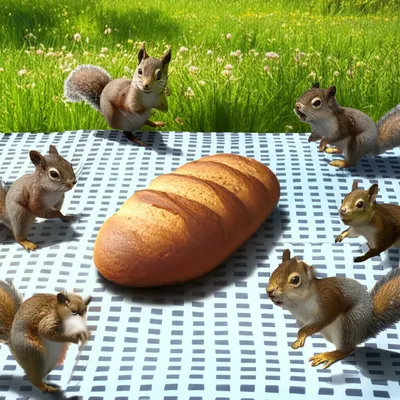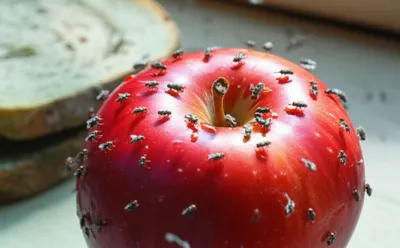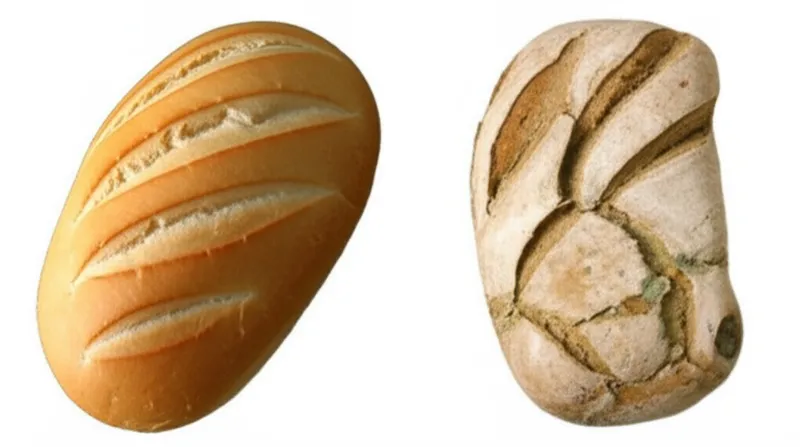

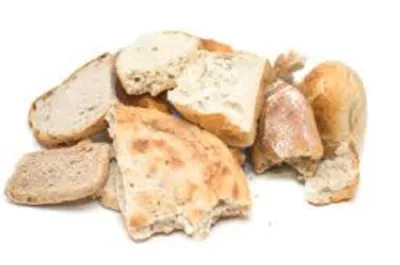

noun🔗Share쉰 빵Something stale; a loaf of bread or the like that is no longer fresh."The stale bread was left on the counter, so we didn't eat it for lunch. "쉰 빵이 카운터에 놓여 있어서 점심으로 먹지 않았다.foodconditionChat with AIVocabulary GamePractice Reading
verb🔗Share묵게 하다(of alcohol) To make stale; to age in order to clear and strengthen (a drink, especially beer)."The brewer will stale the ale in oak casks for six months to improve its clarity and potency before selling it. "양조업자는 맥주를 판매하기 전에 6개월 동안 오크 통에서 묵게 하여 투명도와 효능을 향상시킬 것입니다.drinkfoodprocessChat with AIVocabulary GamePractice Reading
verb🔗Share상하게 하다, 진부하게 만들다, 시들게 하다To make stale; to cause to go out of fashion or currency; to diminish the novelty or interest of, particularly by excessive exposure or consumption."The constant repetition of the same math problems in class staleled the students' interest in the subject. "수업에서 동일한 수학 문제를 반복해서 풀면서 학생들의 과목에 대한 흥미가 시들해졌다.stylefoodentertainmentmediacultureChat with AIVocabulary GamePractice Reading
verb🔗Share상하다, 곰팡이가 슬다To become stale; to grow odious from excessive exposure or consumption."The constant repetition of the same lunch menu at school made the sandwiches stale. "학교에서 같은 점심 메뉴를 계속 반복해서 샌드위치가 상했다.foodconditionChat with AIVocabulary GamePractice Reading
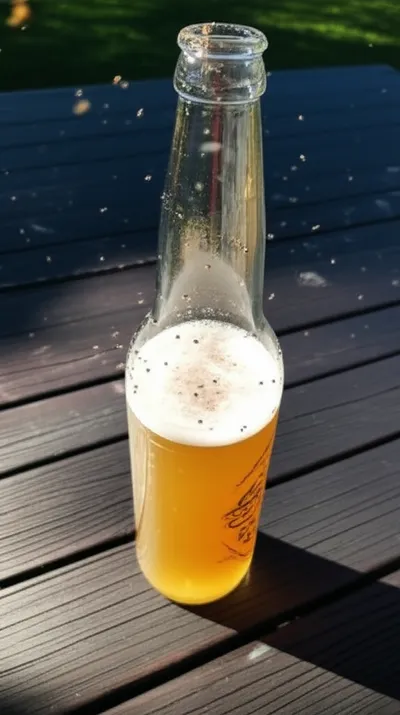
verb🔗Share상하다(alcohol) To become stale; to grow unpleasant from age."The wine had stale over the past few months, losing its flavour and becoming unpleasant to drink. "포도주는 지난 몇 달 동안 상해서 맛을 잃고 마시기에 불쾌해졌습니다.drinkfoodchemistryChat with AIVocabulary GamePractice Reading
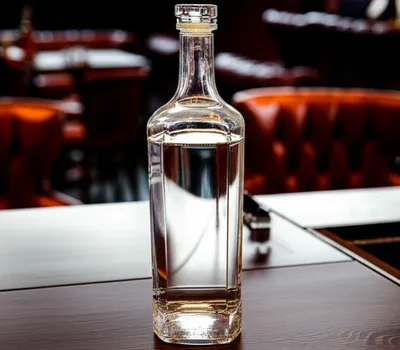
adjective🔗Share오래되고 독한(alcohol) Clear, free of dregs and lees; old and strong."The cellar held bottles of stale ale, aged for decades and potent enough to knock you off your feet. "지하실에는 수십 년 동안 숙성되어 발을 헛디딜 정도로 오래되고 독한 에일 병이 보관되어 있었다.drinkagefoodChat with AIVocabulary GamePractice Reading
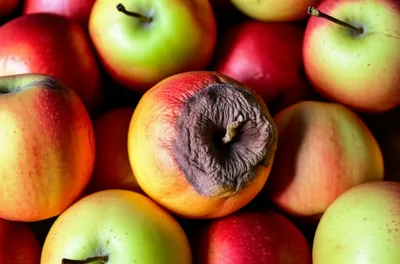
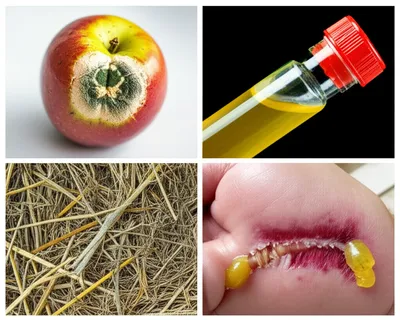
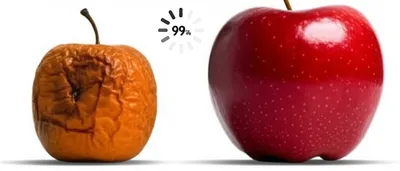
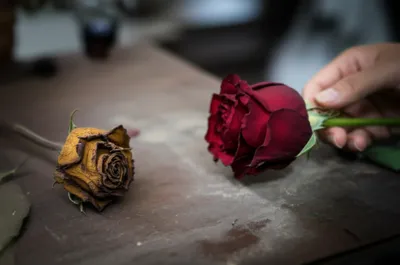
adjective🔗Share상한, 쉰No longer fresh, in reference to food, urine, straw, wounds, etc."The bread was stale, so I didn't eat it for breakfast. "빵이 상해서 아침으로 먹지 않았어요.foodconditionChat with AIVocabulary GamePractice Reading
adjective🔗Share케케묵은, 진부한, 낡은No longer fresh, new, or interesting, in reference to ideas and immaterial things; cliche, hackneyed, dated."The comedian's jokes were stale and predictable, so the audience didn't laugh. "코미디언의 농담은 케케묵고 뻔해서 관객들은 웃지 않았다.stylelanguagemindqualityChat with AIVocabulary GamePractice Reading
adjective🔗Share시들한, 낡은No longer nubile or suitable for marriage, in reference to people; past one's prime."Aunt Agnes, though charming, was considered stale by the neighborhood matchmakers; she was simply no longer considered a suitable candidate for marriage. "아그네스 이모는 매력적이었지만, 동네 중매쟁이들에게는 낡은 사람으로 여겨졌습니다. 그녀는 더 이상 결혼에 적합한 후보로 여겨지지 않았습니다.agepersonfamilysexChat with AIVocabulary GamePractice Reading
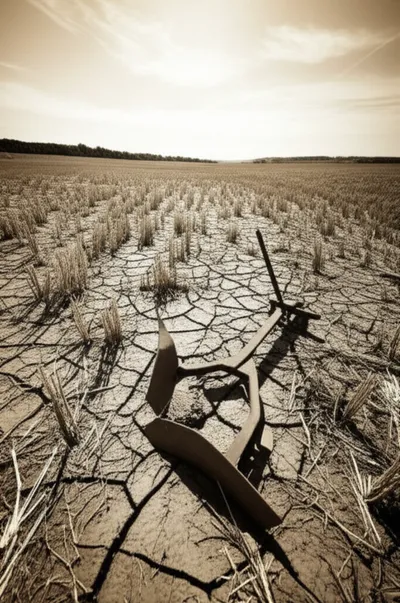
adjective🔗Share휴경지인Fallow, in reference to land."After years of yielding poor harvests, the farmer decided to let the field lie stale for a season to replenish its nutrients. "수년간 수확량이 저조했던 농부는 토지의 영양분을 보충하기 위해 한 계절 동안 밭을 휴경지로 두기로 결정했다.agricultureChat with AIVocabulary GamePractice Reading
adjective🔗Share오래된, 묵은Unreasonably long in coming, in reference to claims and actions."a stale affidavit"오래된 진술서lawpoliticsactionattitudetimeChat with AIVocabulary GamePractice Reading
adjective🔗Share오래된, 낡은Taking a long time to change"The political debate on healthcare has been a stale issue, dragging on for years without significant progress. "의료에 대한 정치적 논쟁은 수년간 뚜렷한 진전 없이 질질 끌어온 낡은 문제였다.timeconditionChat with AIVocabulary GamePractice Reading
adjective🔗Share지친, 녹초가 된Worn out, particularly due to age or over-exertion, in reference to athletes and animals in competition."The marathon runner felt stale after weeks of intense training. "마라톤 선수는 몇 주간의 강도 높은 훈련 후 지쳐 있었다.sportanimalphysiologyconditionChat with AIVocabulary GamePractice Reading
adjective🔗Share상한, 낡은, 미지급된Out of date, unpaid for an unreasonable amount of time, particularly in reference to checks.""The cashier wouldn't accept the check because it was six months old and considered stale." "계산원은 수표가 6개월이나 지나서 미지급된 것으로 간주하여 받지 않았다.businessfinanceChat with AIVocabulary GamePractice Reading
adjective🔗Share오래된, 구식의Of data: out of date; not synchronized with the newest copy."The bug was found to be caused by stale data in the cache."이 버그는 캐시의 오래된 데이터로 인해 발생한 것으로 밝혀졌습니다.computingtechnologyinternetinfoChat with AIVocabulary GamePractice Reading
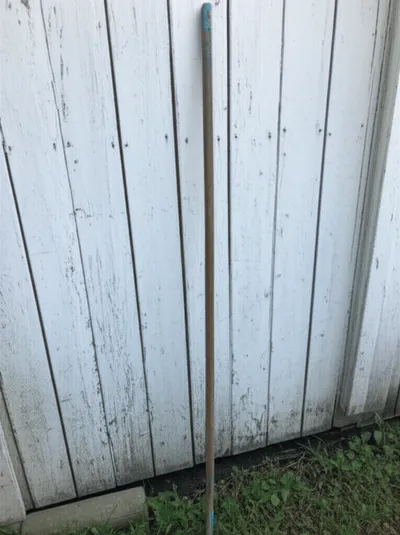
noun🔗Share자루A long, thin handle (of rakes, axes, etc.)"The farmer gripped the stale of his hoe, ready to till the field before the sun got too high. "농부는 해가 너무 높이 뜨기 전에 밭을 갈 준비를 하며 괭이 자루를 잡았다.partutensilChat with AIVocabulary GamePractice Reading
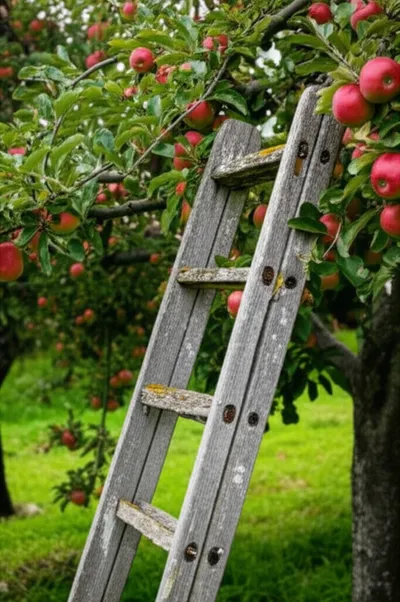
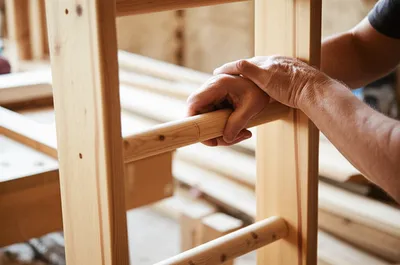
noun🔗Share사다리의 기둥과 가로대The posts and rungs composing a ladder."The carpenter carefully inspected the stale of the ladder before starting repairs. "목수는 수리를 시작하기 전에 사다리의 기둥과 가로대를 주의 깊게 검사했습니다.architecturepartbuildingChat with AIVocabulary GamePractice Reading
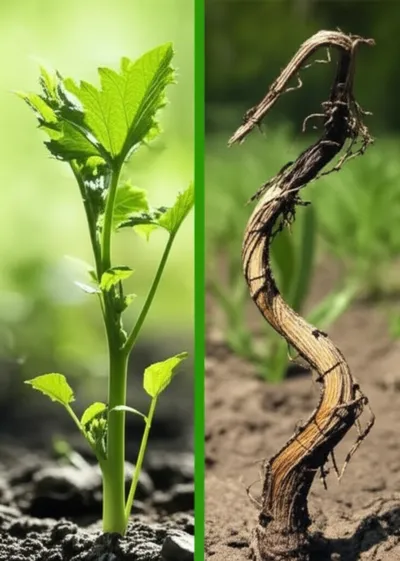
noun🔗Share줄기The stem of a plant."The plant's stale was too short to support the weight of the flower. "식물의 줄기는 꽃의 무게를 지탱하기에는 너무 짧았다.plantpartbiologyChat with AIVocabulary GamePractice Reading
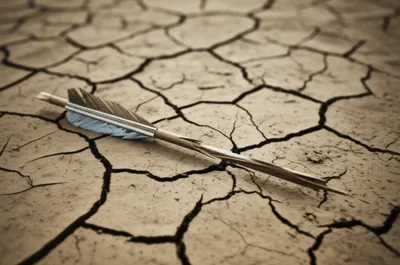
noun🔗Share화살대The shaft of an arrow, spear, etc."The craftsman carefully examined the stale of the newly made arrow for any imperfections. "장인은 새로 만든 화살의 화살대에 결함이 있는지 꼼꼼히 검사했다.weaponpartChat with AIVocabulary GamePractice Reading
verb🔗Share사다리를 만들다To make a ladder by joining rungs ("stales") between the posts."The carpenter stale the ladder for the repair job, joining the rungs between the wooden posts. "목수는 수리 작업을 위해 사다리를 만들었고, 나무 기둥 사이에 가로대를 연결했습니다.architecturestructurebuildingChat with AIVocabulary GamePractice Reading
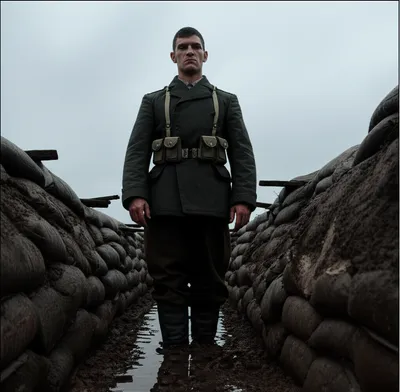
noun🔗Share위치, 진지A fixed position, particularly a soldier's in a battle-line."The soldiers maintained their stale, awaiting the signal to advance. "병사들은 진지를 지키며 진격 신호를 기다렸다.militarypositionwarChat with AIVocabulary GamePractice Reading
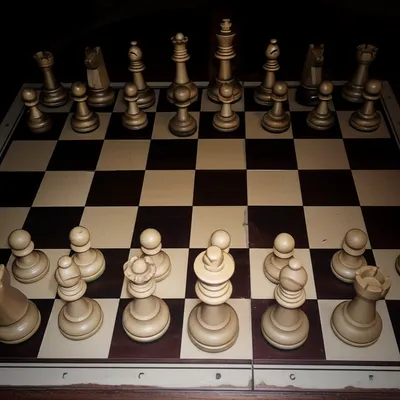
noun🔗Share수, 꼼짝 못함A stalemate; a stalemated game."The chess match ended in a stale after two hours, neither player able to make a winning move. "체스 경기는 두 시간 후 수로 끝났고, 두 선수 모두 이기는 수를 둘 수 없었다.gameChat with AIVocabulary GamePractice Reading
noun🔗Share매복, 잠복An ambush."The rebels prepared a stale in the forest, hoping to surprise the approaching soldiers. "반군은 다가오는 군인들을 놀라게 하려고 숲 속에 매복을 준비했다.militarywaractionChat with AIVocabulary GamePractice Reading
noun🔗Share무리, 떼A band of armed men or hunters."The local farmers formed a stale to protect their crops from the wild boar. "지역 농부들은 멧돼지로부터 작물을 보호하기 위해 무리를 지었다.militarygroupChat with AIVocabulary GamePractice Reading
noun🔗Share주력, 주력 부대The main force of an army."The stale of the army's invasion force marched toward the city. "군대의 침략 부대의 주력이 도시를 향해 진격했다.militaryChat with AIVocabulary GamePractice Reading
verb🔗Share궁지에 몰아넣다To stalemate."The negotiations between the teachers and the school board stale because neither side would compromise. "교사와 학교 이사회 간의 협상은 양측 모두 타협하지 않으려 하여 궁지에 몰렸다.gamesportstateChat with AIVocabulary GamePractice Reading
verb🔗Share궁지에 몰리다, 꼼짝 못하다To be stalemated."The debate about who gets the last slice of pizza completely stalled; the discussion became stale. "마지막 피자 조각을 누가 갖게 될지에 대한 논쟁은 완전히 궁지에 몰렸고, 토론은 꼼짝 못하게 되었다.statepoliticsgovernmentsituationChat with AIVocabulary GamePractice Reading
adjective🔗Share교착 상태의, 정체된At a standstill; stalemated."The project was stale; no new ideas were being generated. "그 프로젝트는 교착 상태였고, 새로운 아이디어가 생성되지 않았다.conditionsituationChat with AIVocabulary GamePractice Reading
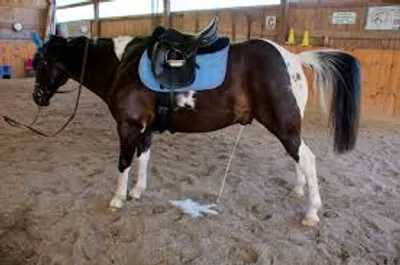
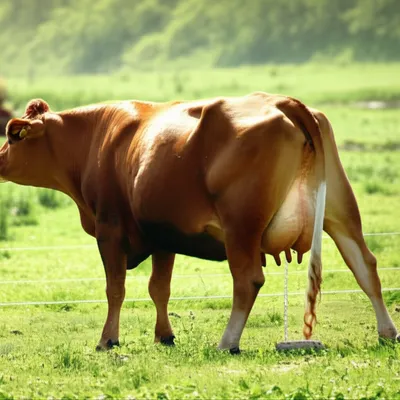
noun🔗Share오줌(livestock) Urine, especially used of horses and cattle."The farmer carefully avoided the area where the horses had deposited their stale. "농부는 말들이 오줌을 싼 지역을 조심스럽게 피했다.animalphysiologyagriculturebiologyChat with AIVocabulary GamePractice Reading
verb🔗Share오줌을 누다(livestock) To urinate, especially used of horses and cattle."The old mare will often stale right after she finishes drinking from the trough. "늙은 암말은 여물통에서 물을 다 마신 직후에 종종 오줌을 눕니다.animalphysiologyChat with AIVocabulary GamePractice Reading
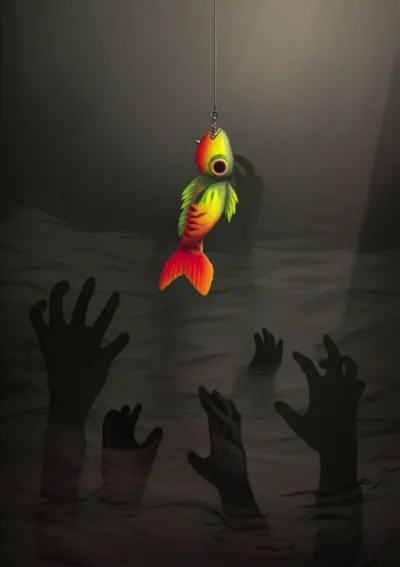
noun🔗Share미끼 새A live bird to lure birds of prey or others of its kind into a trap."The falconer carefully positioned the stale, hoping its calls would attract a wild hawk. "매 사냥꾼은 미끼 새의 울음소리가 야생 매를 유인하기를 바라며 조심스럽게 배치했다.animalbirdChat with AIVocabulary GamePractice Reading
noun🔗Share미끼Any lure, particularly in reference to people used as live bait."The detective used the young man as a stale, hoping to catch the real criminal. "형사는 진짜 범인을 잡기 위해 젊은 남자를 미끼로 사용했다.humanpersonChat with AIVocabulary GamePractice Reading
noun🔗Share미끼, 공범An accomplice of a thief or criminal acting as bait."The police arrested the thief and his stale, who had lured the victim into the trap. "경찰은 피해자를 함정으로 유인한 도둑과 그의 공범을 체포했다.policepersonjobChat with AIVocabulary GamePractice Reading
noun🔗Share버려진 사람, 짝사랑 상대A partner whose beloved abandons or torments him in favor of another."After Sarah broke up with him, Mark felt like a stale; he was left feeling unwanted and rejected. "사라가 그와 헤어진 후, 마크는 버려진 사람처럼 느꼈다. 그는 원치 않고 거부당하는 느낌을 받았다.personliteraturecharacterhumansufferingemotionstoryChat with AIVocabulary GamePractice Reading
noun🔗Share꼭두각시, 앞잡이A patsy, a pawn, someone used under some false pretext to forward another's (usu. sinister) designs; a stalking horse."The new student was a stale for the popular group's plan to disrupt the school elections. "새 학생은 인기 그룹이 학교 선거를 방해하려는 계획의 꼭두각시였다.personcharacterpoliticsjobChat with AIVocabulary GamePractice Reading
noun🔗Share창녀, 걸레A prostitute of the lowest sort; any wanton woman.sexpersonhumansocietyChat with AIVocabulary GamePractice Reading
noun🔗Share미끼, 유인물Any decoy, either stuffed or manufactured."The hunter placed a stale in the field to attract ducks. "사냥꾼은 오리를 유인하기 위해 들판에 미끼를 놓았다.animalthinggameChat with AIVocabulary GamePractice Reading
verb🔗Share미끼 역할을 하다, 유혹하다To serve as a decoy, to lure."The thief stalled the security guard by stale-ing a bag of garbage near the exit. "도둑은 출구 근처에 쓰레기 봉투를 미끼로 사용하여 경비원을 유혹했다.actionanimalgameChat with AIVocabulary GamePractice Reading