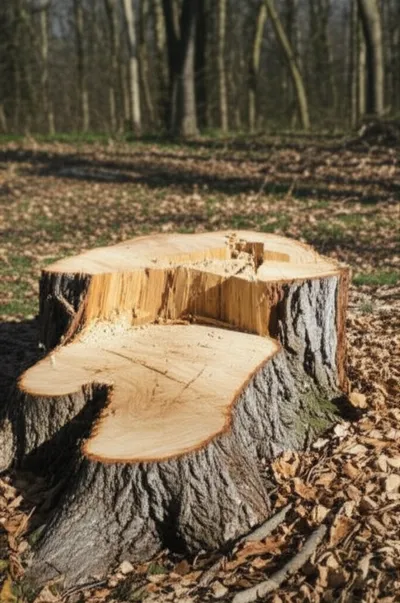
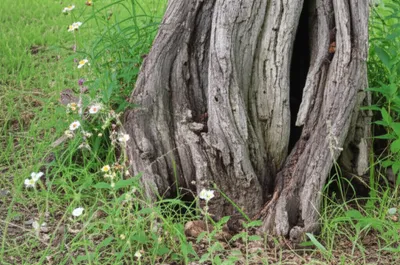
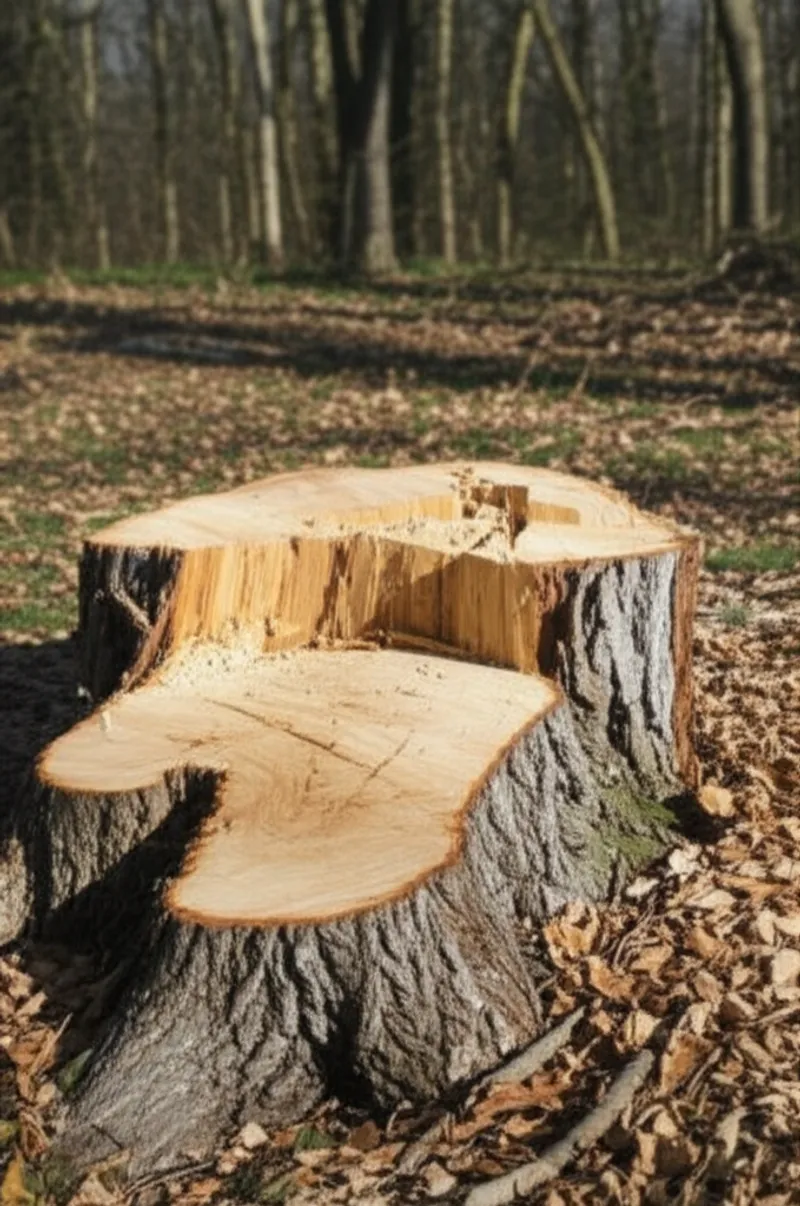
verb Descargar 🔗Compartir Podar, talar To remove most of a tree, bush, or other rooted plant by cutting it close to the ground. Examples : "The farmer stubbed the old apple tree after it stopped producing fruit. " El granjero podó el viejo manzano después de que dejó de dar frutos. environment agriculture plant action Chat con IAJuego de vocabularioPracticar lectura
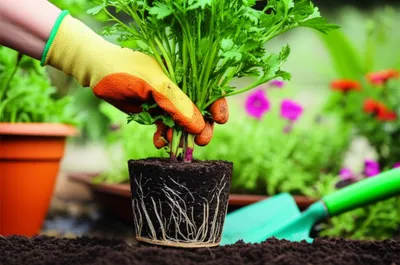
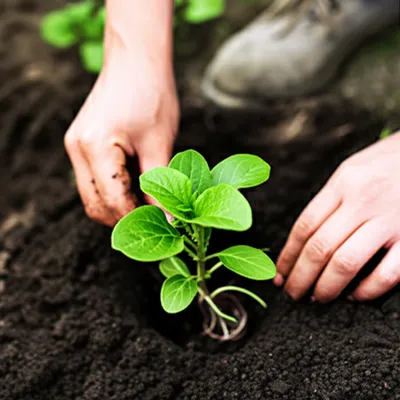
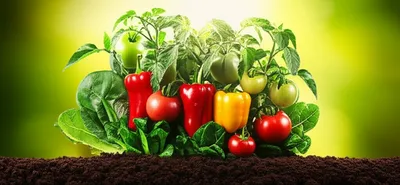
verb Descargar 🔗Compartir Arrancar, desarraigar To remove a plant by pulling it out by the roots. Examples : "The farmer stubbed the weeds from the garden to prepare the soil for planting new crops. " El agricultor arrancó las malas hierbas del jardín para preparar la tierra para plantar nuevos cultivos. plant agriculture action Chat con IAJuego de vocabularioPracticar lectura
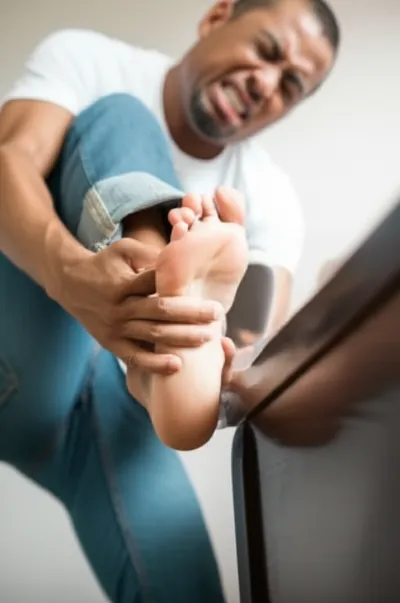
verb Descargar 🔗Compartir Golpear, tropezar To jam, hit, or bump, especially a toe. Examples : "I stubbed my toe trying to find the light switch in the dark." Me golpeé el dedo del pie tratando de encontrar el interruptor de la luz en la oscuridad. body action part sensation Chat con IAJuego de vocabularioPracticar lectura
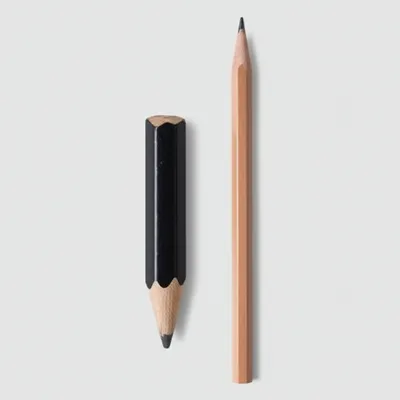
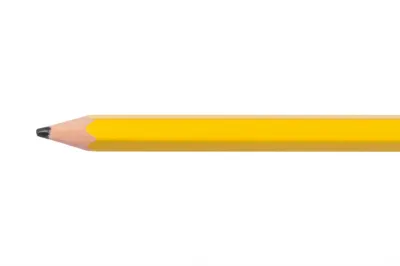
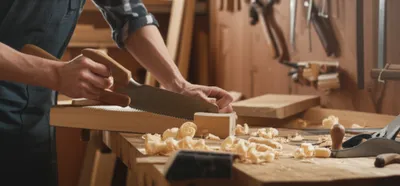
adjective Descargar 🔗Compartir Corto y grueso, romo Short and thick, like something truncated; blunt; obtuse. Examples : "The carpenter used a stubbed pencil to mark the wood because he kept breaking the tips. " El carpintero usó un lápiz corto y grueso para marcar la madera porque seguía rompiendo las puntas. appearance quality Chat con IAJuego de vocabularioPracticar lectura
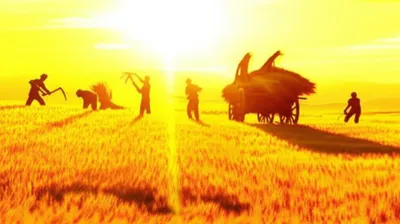
adjective Descargar 🔗Compartir Lleno de tocones, rechoncho Abounding in stubs; stubby. Examples : "The field was stubbed with the remnants of the harvested wheat, making it difficult to walk across. " El campo estaba lleno de tocones de los restos del trigo cosechado, lo que dificultaba cruzarlo. appearance quality Chat con IAJuego de vocabularioPracticar lectura
adjective Descargar 🔗Compartir Robusto, resistente, recio Not delicate; hardy; rugged. Examples : "The gardener had stubbed fingers, worn and strong from years of working the soil. " El jardinero tenía dedos robustos, desgastados y fuertes por años de trabajar la tierra. character quality appearance nature Chat con IAJuego de vocabularioPracticar lectura