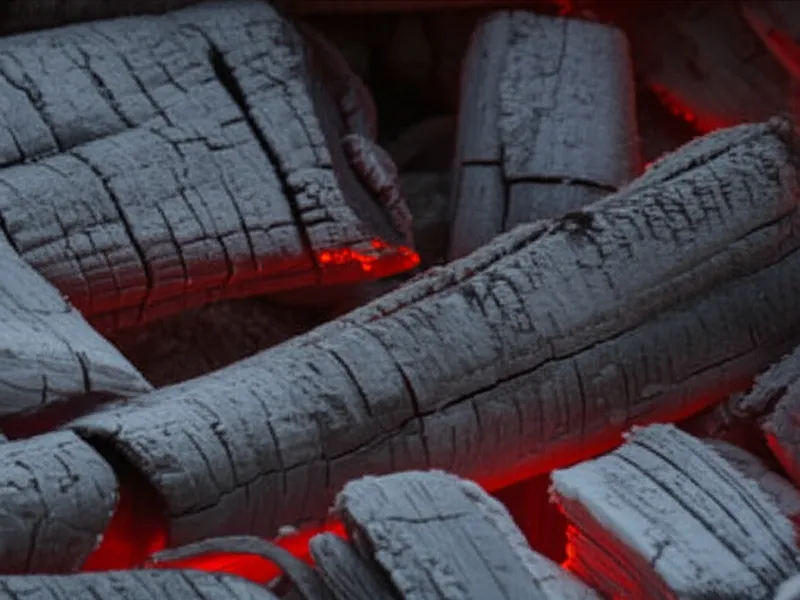

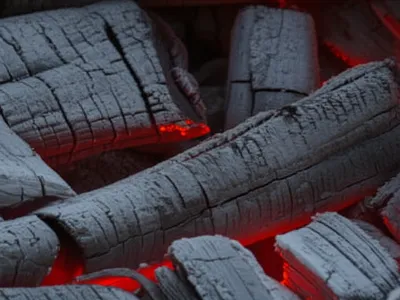
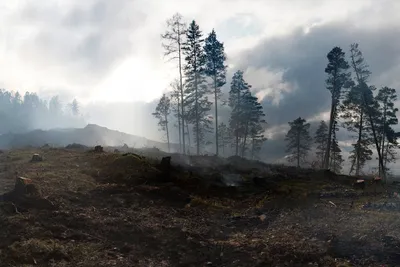
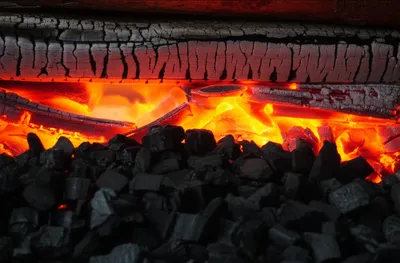
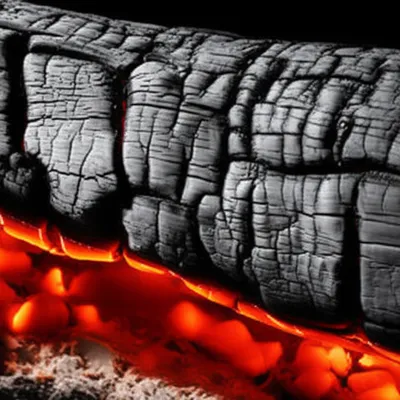

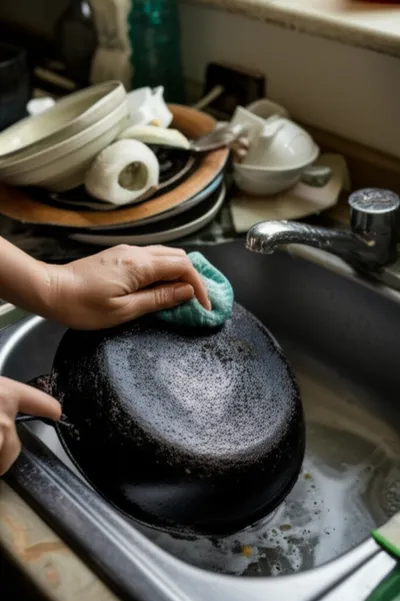


noun🔗Share焦げ付き、炭A charred substance."The fire left a dark char on the wooden fence post. "火は木製のフェンスの柱に黒い焦げ付きを残しました。substancematerialChat with AIVocabulary GamePractice Reading
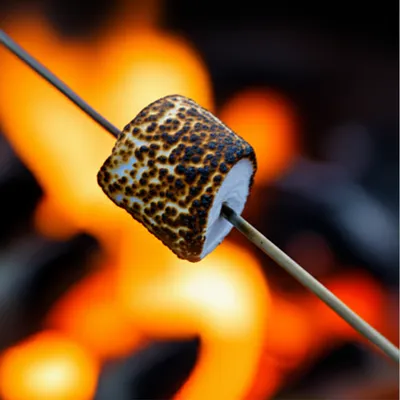
verb🔗Share炭にする, 焦がすTo burn something to charcoal."He used a blowtorch to char the bell peppers, giving them a smoky flavor. "彼はピーマンを炭にして、スモーキーな風味を出すためにバーナーを使いました。energymaterialprocessChat with AIVocabulary GamePractice Reading
verb🔗Share焦がす, 焼くTo burn slightly or superficially so as to affect colour."The edges of the toast were charred slightly in the toaster. "トースターの中でトーストの端が少し焦げました。appearancecolorChat with AIVocabulary GamePractice Reading
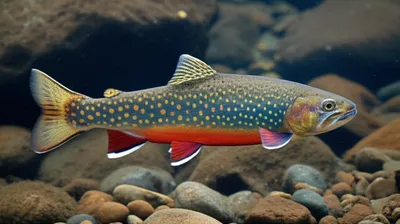
noun🔗Shareイワナ属の魚One of the several species of fishes of the genus Salvelinus."Among other native delicacies, they give you fresh char."地元の珍味の中でも、新鮮なイワナ属の魚が出されます。"Among other native delicacies, they give you fresh char."地元の珍味の中でも、新鮮なイワナ属の魚が出されます。fishChat with AIVocabulary GamePractice Reading
🔗Share炭、焦げA charred substance."The campfire left a pile of char on the ground. "キャンプファイヤーは地面に炭の山を残しました。substancematerialChat with AIVocabulary GamePractice Reading
🔗Shareイワナ属の魚One of the several species of fishes of the genus Salvelinus."My uncle loves to fish in Canada for char, a type of salmon-like fish. "私のおじは、カナダでイワナ属の魚、サーモンに似た種類の魚を釣るのが大好きです。fishChat with AIVocabulary GamePractice Reading
noun🔗Share回, 機会A time; a turn or occasion."My char for helping with the dishes is tonight. "食器洗いを手伝う私の番は今夜です。timeeventChat with AIVocabulary GamePractice Reading
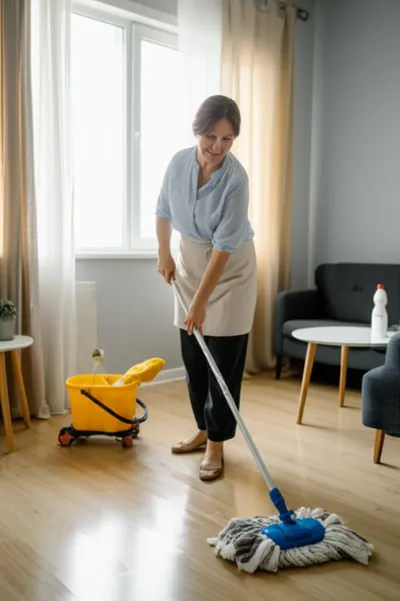
noun🔗Share仕事, 労働A turn of work; a labour or item of business."My weekly char involves vacuuming the living room and dusting the shelves. "私の週の仕事には、リビングルームの掃除機がけと棚のほこり取りが含まれます。workbusinessjobitemChat with AIVocabulary GamePractice Reading
noun🔗Share雑用、家事An odd job, a chore or piece of housework."Washing the dishes was a char my brother had to do after dinner. "皿洗いは、弟が夕食後にやらなければならない雑用でした。jobworkChat with AIVocabulary GamePractice Reading
noun🔗Share家政婦, お手伝いさんA charlady, a woman employed to do housework; cleaning lady."Mrs. Higgins was a reliable char who came to clean our house every Friday. "ヒギンズ夫人は、毎週金曜日に私たちの家を掃除に来てくれる、信頼できるお手伝いさんでした。jobpersonworkChat with AIVocabulary GamePractice Reading
verb🔗Shareそれる, 逸れるTo turn, especially away or aside."The teacher charted the students to different seats to improve classroom organization. "教師は教室の組織を改善するために、生徒たちを別の席に移動させた。actionwayChat with AIVocabulary GamePractice Reading
verb🔗Share働く, 家事をするTo work, especially to do housework; to work by the day, without being a regularly hired servant."My grandmother used to char for families in the summer, earning money to help with household expenses. "私の祖母は夏に家族のために家事をし、家計の足しにするためにお金を稼いでいました。jobworkChat with AIVocabulary GamePractice Reading
verb🔗Share行う, 済ませるTo perform; to do; to finish."The student charted his homework assignments for the week. "生徒は今週の宿題を済ませました。actionachievementworkChat with AIVocabulary GamePractice Reading
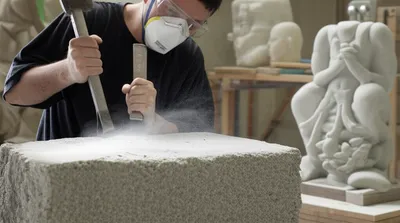
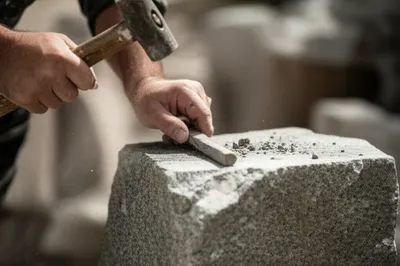
verb🔗Share彫る, 刻むTo work or hew (stone, etc.)."The stonemason char the large, rough blocks of granite into even, usable shapes. "石工は、大きく、粗い花崗岩のブロックを均一で使いやすい形に彫ります。workmaterialbuildingindustryChat with AIVocabulary GamePractice Reading
noun🔗Share文字, 字A character (text element such as a letter or symbol)."My email address uses the "@" char. "私のメールアドレスは「@」の字を使用しています。computinglanguagewritingChat with AIVocabulary GamePractice Reading
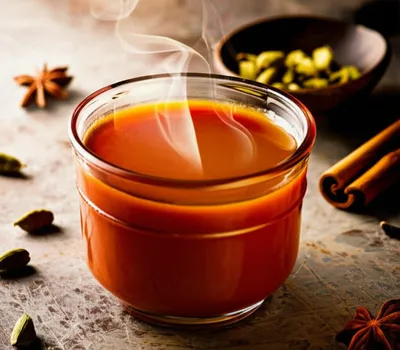
noun🔗Shareお茶Tea, sometimes specifically masala chai"Would you like a cup of cha?"お茶を一杯いかがですか?drinkfoodChat with AIVocabulary GamePractice Reading
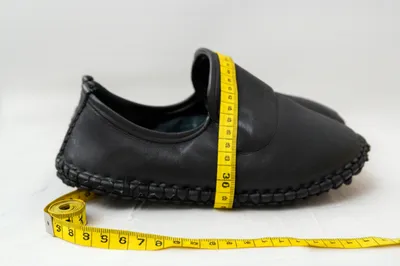
noun🔗Share韓国尺Synonym of Korean foot: a traditional unit of length equivalent to about 30.3 cm."The teacher explained that a Korean char is about 30 centimeters long. "先生は韓国尺が約30センチメートルだと説明しました。unittraditionculturehistoryChat with AIVocabulary GamePractice Reading