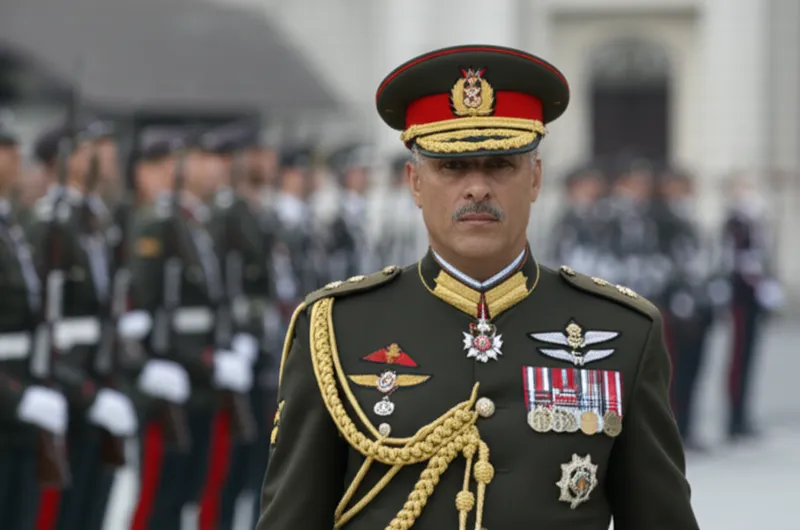



noun🔗ShareПолковникA commissioned officer in an armed military organization, typically the highest rank before flag officer ranks (generals). It is generally found in armies, air forces or naval infantry (marines)."After thirty years of dedicated service, several coronals were considered for promotion to general within the army. "После тридцати лет преданной службы несколько полковников были рассмотрены для повышения до генерала в армии.militarywarpersonorganizationjobtitleChat with AIVocabulary GamePractice Reading
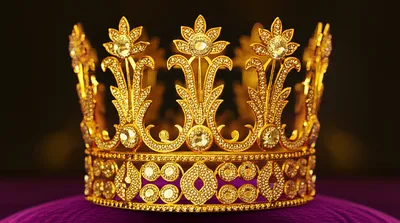
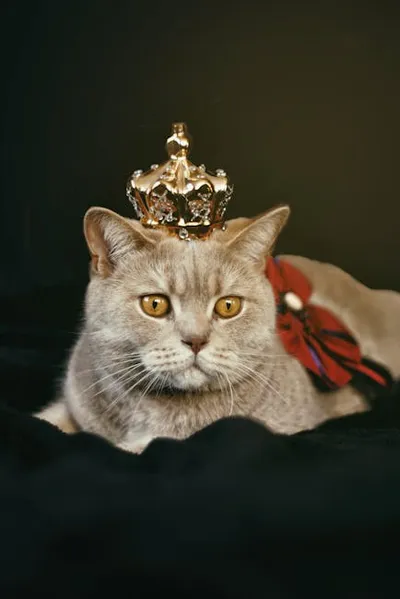
noun🔗ShareКорона, венецA crown or coronet."The winning kindergarteners proudly wore their handmade paper coronals for the graduation ceremony. "Победившие воспитанники детского сада с гордостью надели свои самодельные бумажные короны на выпускную церемонию.royalheraldryChat with AIVocabulary GamePractice Reading
noun🔗ShareВенок, гирляндаA wreath or garland of flowers."The dancers wore coronals of daisies in their hair during the May Day festival. "Танцоры носили венки из маргариток в волосах во время майского фестиваля.cultureartplanttraditionholidayChat with AIVocabulary GamePractice Reading
noun🔗ShareЛобная костьThe frontal bone, over which the ancients wore their coronae or garlands."The ancient marble busts often depicted rulers with elaborately carved coronals, reflecting their power and the garlands they wore. "Древние мраморные бюсты часто изображали правителей с тщательно вырезанными лобными костями, отражающими их власть и гирлянды, которые они носили.anatomybodyorganphysiologypartChat with AIVocabulary GamePractice Reading
noun🔗ShareКорональные согласныеA consonant produced with the tip or blade of the tongue."English learners often find coronals like /t/, /d/, and /s/ easier to pronounce. "Изучающим английский язык часто легче произносить корональные согласные, такие как /t/, /d/ и /s/.phoneticslinguisticslanguageChat with AIVocabulary GamePractice Reading