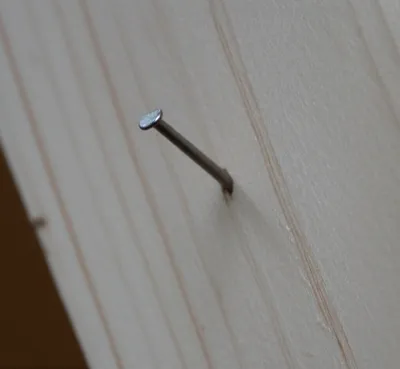
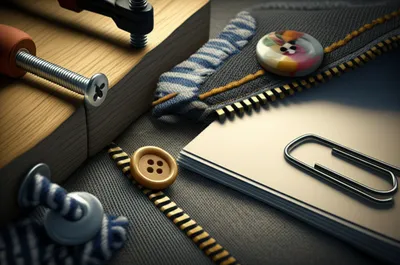
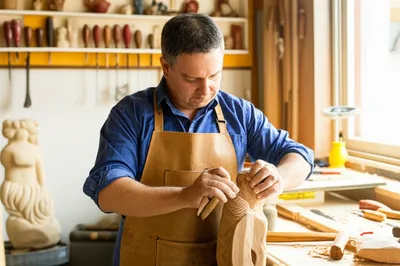
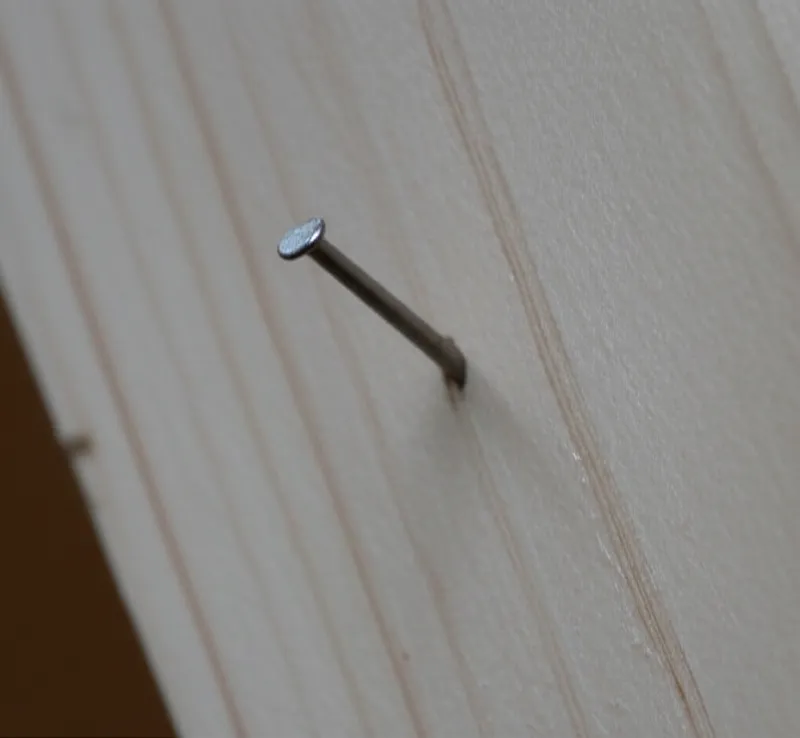
noun Descargar 🔗Compartir Clavo sin cabeza A thin, small nail, with a slight projection at the top on one side instead of a head, or occasionally with a small domed head, similar to that of an escutcheon pin. Examples : "The carpenter used a brad to attach the thin piece of trim to the model airplane wing, because a regular nail would have been too bulky. " El carpintero usó un clavo sin cabeza para fijar la fina pieza de moldura al ala del modelo de avión, porque un clavo normal habría sido demasiado voluminoso. material item building Chat con IAJuego de vocabularioPracticar lectura
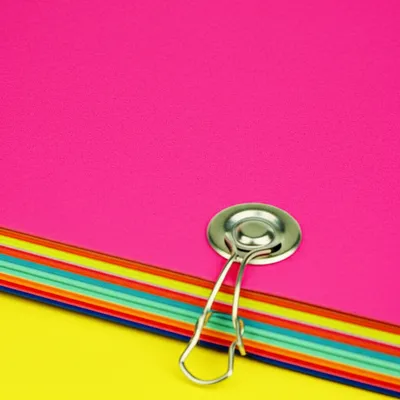
noun Descargar 🔗Compartir Sujetapapeles (elementary school usage) A paper fastener, a fastening device formed of thin, soft metal, such as shim brass, with a round head and a flat, split shank, which is spread after insertion in a hole in a stack of pages, in much the same way as a cotter pin or a split rivet. Examples : "I used a brad to hold together the pages of my school project after I punched holes in them. " Usé un sujetapapeles para sujetar las páginas de mi proyecto escolar después de perforar agujeros en ellas. stationery material item utensil device Chat con IAJuego de vocabularioPracticar lectura
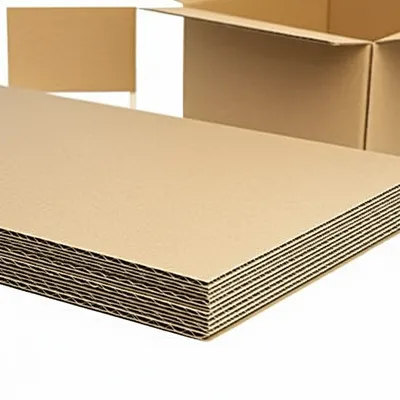
verb Descargar 🔗Compartir Asegurar con un clavo pequeño To attach using a brad. Examples : "She decided to brad the two pieces of cardboard together to make a simple hinge for her school project. " Ella decidió asegurar con un clavo pequeño los dos pedazos de cartón para hacer una bisagra simple para su proyecto escolar. technical technology action Chat con IAJuego de vocabularioPracticar lectura
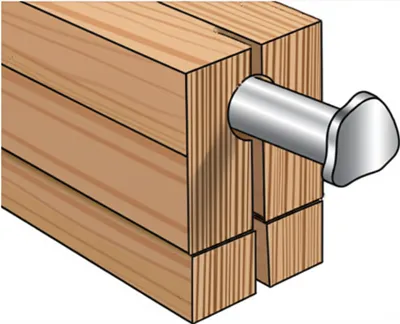
verb Descargar 🔗Compartir Remachar To upset the end of a rod inserted in a hole so as to prevent it from being pulled out, as when riveting. Examples : "The craftsman used a hammer to brad the rivet, securing the metal plate firmly in place. " El artesano usó un martillo para remachar el remache, asegurando firmemente la placa de metal en su lugar. technical machine industry Chat con IAJuego de vocabularioPracticar lectura