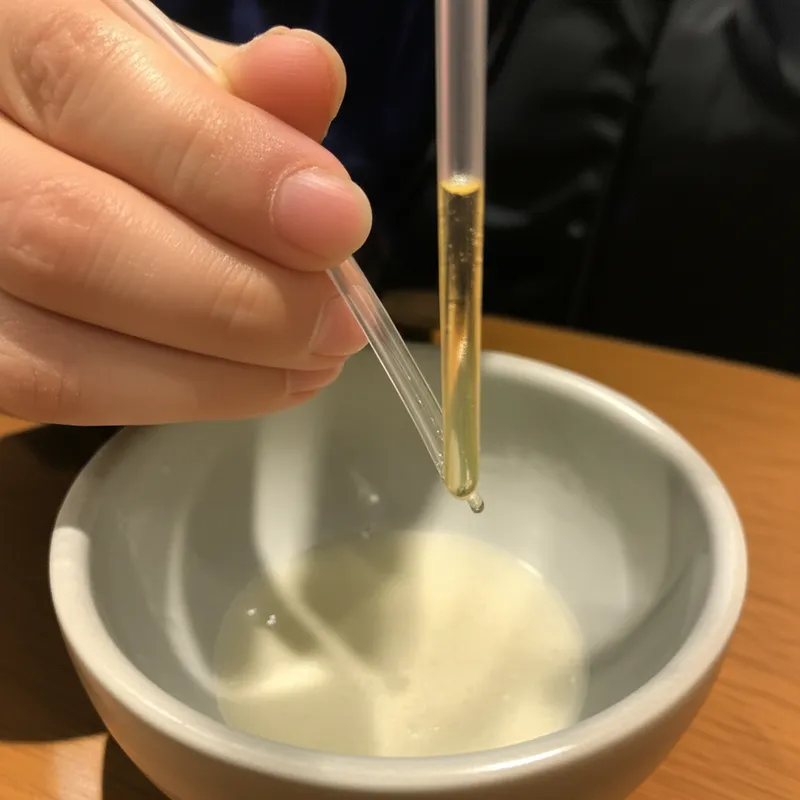

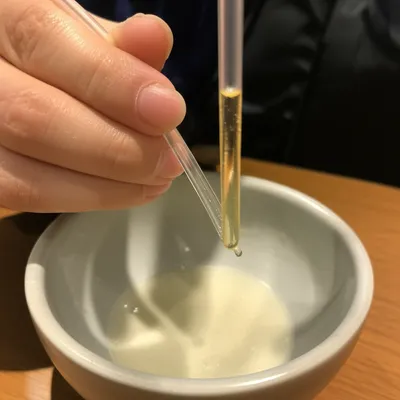

verb🔗ShareAspirerTo remove a liquid or gas by means of suction."The doctor aspirated the fluid from the patient's knee to relieve the swelling. "Le médecin a aspiré le liquide du genou du patient pour soulager l'enflure.medicinephysiologytechnicalChat with AIVocabulary GamePractice Reading
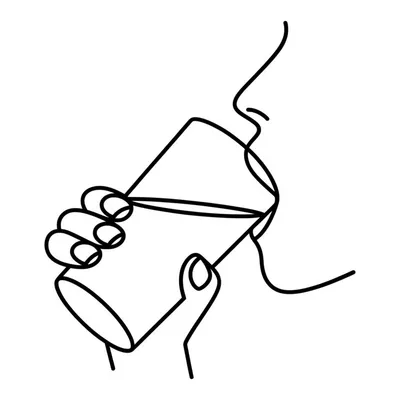
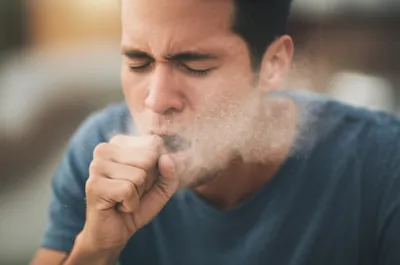
verb🔗ShareAspirerTo inhale so as to draw something other than air into one's lungs."The toddler choked and aspirated some juice when he laughed while drinking. "Le bambin s'est étouffé et a aspiré du jus lorsqu'il a ri en buvant.medicinephysiologybodyChat with AIVocabulary GamePractice Reading
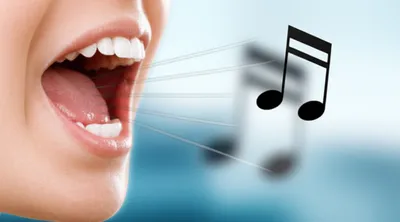
verb🔗ShareAspirerTo produce an audible puff of breath. especially following a consonant."When saying the word "pop," the speaker aspirated the "p," creating a small puff of air you could feel if you held your hand in front of their mouth. "En prononçant le mot « pop », l'orateur a aspiré le « p », créant une petite bouffée d'air que l'on pouvait sentir en tenant la main devant sa bouche.phoneticslanguagelinguisticswordsoundChat with AIVocabulary GamePractice Reading
adjective🔗ShareaspiréPronounced with an audible breath."When you pronounce the "h" in "house," it's an aspirated sound because you can hear the breath. "Lorsque vous prononcez le "h" dans "house", c'est un son aspiré car vous pouvez entendre le souffle.phoneticslanguagelinguisticssoundChat with AIVocabulary GamePractice Reading