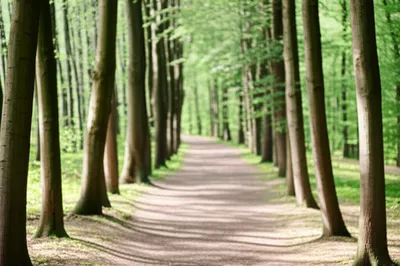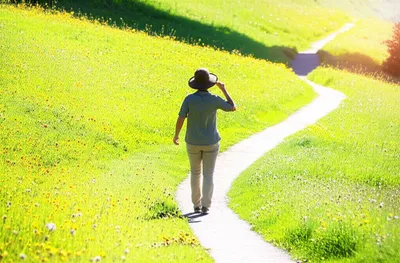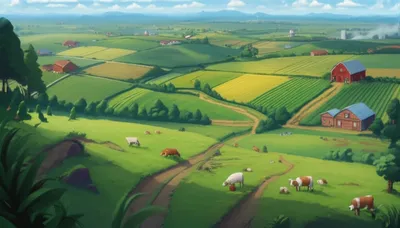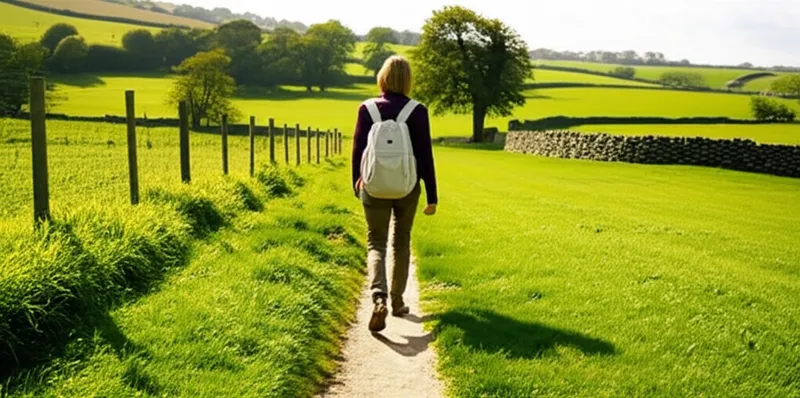

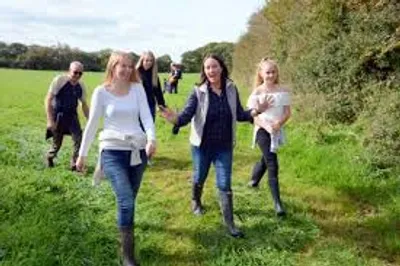
noun🔗ShareFlânerie, promenadeA leisurely stroll; a recreational walk in the countryside."After a stressful week at work, a long ramble in the woods was exactly what I needed to relax. "Après une semaine stressante au travail, une longue promenade dans les bois était exactement ce dont j'avais besoin pour me détendre.natureenvironmentsportentertainmentChat with AIVocabulary GamePractice Reading
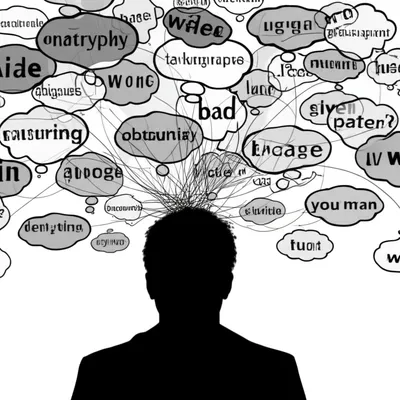
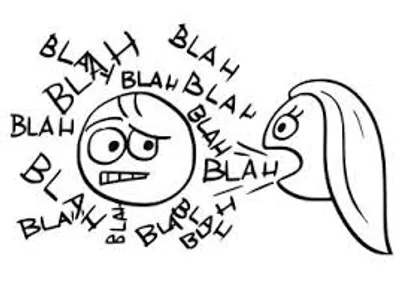
noun🔗ShareDivagation, bavardageA rambling; an instance of someone talking at length without direction."Her presentation was more of a ramble than a focused speech, jumping from topic to topic with no clear connection. "Sa présentation était plus une divagation qu'un discours ciblé, passant d'un sujet à l'autre sans lien clair.languagecommunicationChat with AIVocabulary GamePractice Reading
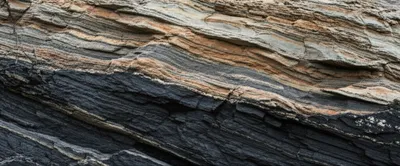
noun🔗ShareBanc de schiste au-dessus de la veine de charbonA bed of shale over the seam of coal."The miners found a rich seam of coal, but above it was a thick ramble of shale. "Les mineurs ont trouvé une riche veine de charbon, mais au-dessus se trouvait un épais banc de schiste.geologymaterialChat with AIVocabulary GamePractice Reading
noun🔗SharePromenade en forêtA section of woodland suitable for leisurely walking.""We enjoyed a peaceful walk in the ramble behind the old school." "Nous avons apprécié une promenade paisible dans la forêt derrière la vieille école.placenatureenvironmentareaChat with AIVocabulary GamePractice Reading
verb🔗ShareErrer, vagabonderTo move about aimlessly, or on a winding course"The lost dog rambled through the park, sniffing at every bush and tree. "Le chien perdu errait dans le parc, reniflant chaque buisson et chaque arbre.wayactionplaceChat with AIVocabulary GamePractice Reading
verb🔗ShareFlâner, se promenerTo walk for pleasure; to amble or saunter."After school, Sarah rambled through the park, enjoying the fresh air. "Après l'école, Sarah a flâné dans le parc, appréciant l'air frais.actionenvironmentChat with AIVocabulary GamePractice Reading
verb🔗ShareDivaguer, errerTo talk or write incessantly, unclearly, or incoherently, with many digressions."Francine has a tendency to ramble when it gets to be late in the evening."Francine a tendance à divaguer quand il se fait tard le soir.communicationlanguagewritingChat with AIVocabulary GamePractice Reading