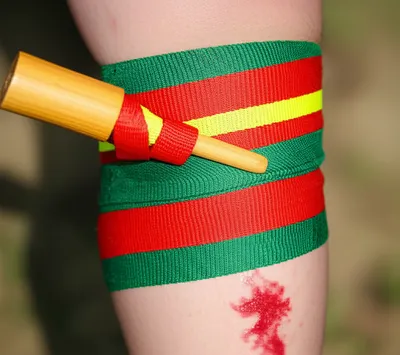
verb Télécharger 🔗Partager Étrangler, obstruer To stop flow through a vessel. Examples : "The doctor explained that the tourniquet, if left on too long, could strangulate the blood flow to the injured arm. " Le médecin a expliqué que le garrot, s'il était laissé trop longtemps, pourrait étrangler la circulation sanguine vers le bras blessé. medicine physiology anatomy Chat avec IAJeu de vocabulairePratiquer la lecture
verb Télécharger 🔗Partager Étrangler To strangle. Examples : "The clumsy knot strangulated the plant, preventing it from growing. " Le nœud maladroit a étranglé la plante, l'empêchant de grandir. body medicine action Chat avec IAJeu de vocabulairePratiquer la lecture
adjective Télécharger 🔗Partager Étranglé, étranglée Having the circulation stopped by compression; attended with arrest or obstruction of circulation, caused by constriction or compression. Examples : "a strangulated hernia" Une hernie étranglée medicine physiology body condition Chat avec IAJeu de vocabulairePratiquer la lecture
adjective Télécharger 🔗Partager Étranglé, étranglée Strangled; affected by strangulation. Examples : "The doctor examined the child's neck, noting the reddened and strangulated appearance. " Le médecin a examiné le cou de l'enfant, notant l'apparence rougie et étranglée. medicine physiology body Chat avec IAJeu de vocabulairePratiquer la lecture
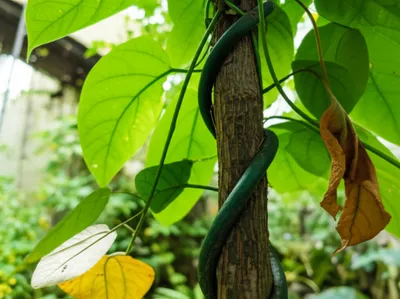
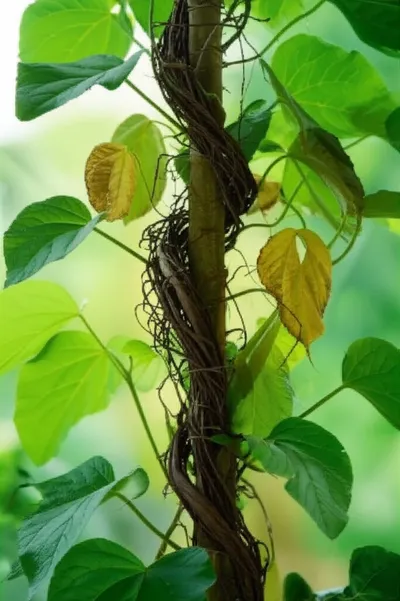
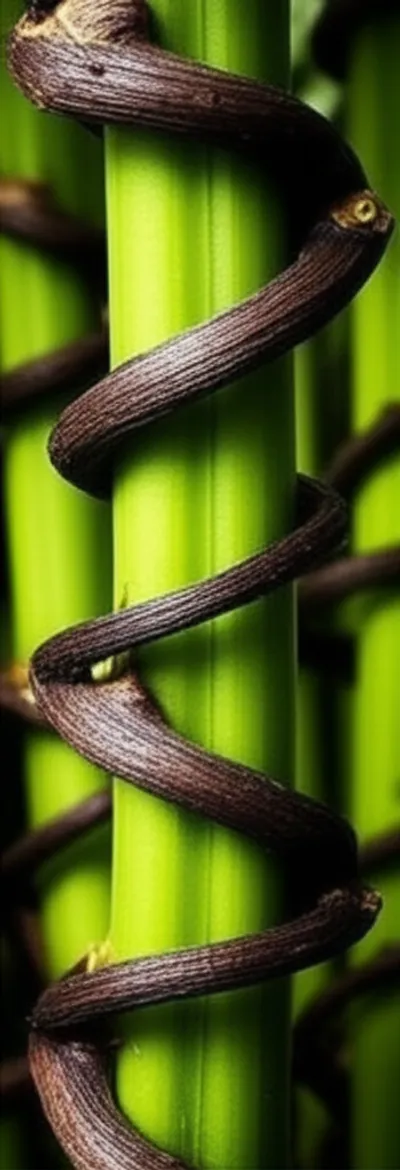
adjective Télécharger 🔗Partager Étranglé, étranglée Contracted at irregular intervals, if tied with a ligature; constricted. Examples : "The gardener removed the strangulated vine from the tree, its growth having been constricted by tight loops around the trunk. " Le jardinier a retiré la vigne étranglée de l'arbre, sa croissance ayant été entravée par des boucles serrées autour du tronc. medicine physiology body condition Chat avec IAJeu de vocabulairePratiquer la lecture