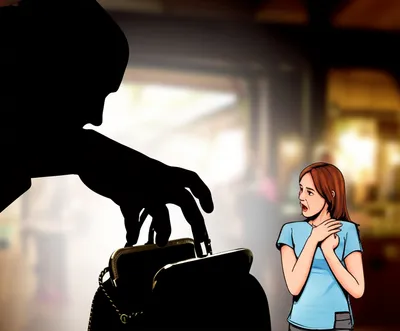
noun Télécharger 🔗Partager Criminel, scélérat A vile, wicked person. Examples : "The school bully was a real villain, always stealing lunch money and pushing other kids around. " Le tyran de l'école était un vrai criminel, qui volait toujours l'argent du déjeuner et bousculait les autres enfants. character person story moral Chat avec IAJeu de vocabulairePratiquer la lecture
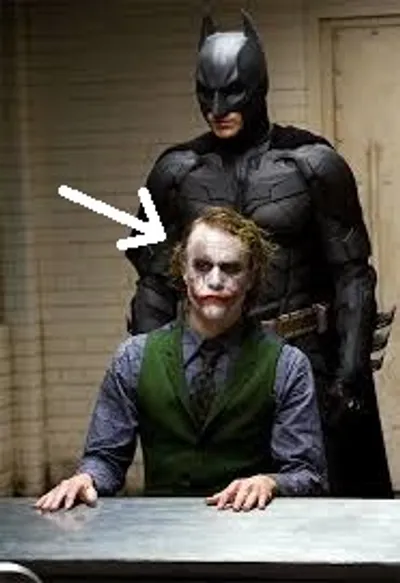
noun Télécharger 🔗Partager Méchant, antagoniste In fiction, a character who has the role of being bad, especially antagonizing the hero. Examples : "The villain in the school play was a very mean bully. " Le méchant dans la pièce de théâtre scolaire était un tyran très méchant. character literature entertainment story Chat avec IAJeu de vocabulairePratiquer la lecture
noun Télécharger 🔗Partager Adversaire, méchant Any opponent player, especially a hypothetical player for example and didactic purposes. Compare: hero. Examples : "In our school debate, the villain argued against the proposed student council rules. " Lors de notre débat scolaire, l'adversaire a argumenté contre les règles proposées par le conseil étudiant. character literature entertainment story game Chat avec IAJeu de vocabulairePratiquer la lecture
verb Télécharger 🔗Partager Avilir, dégrader To debase; to degrade. Examples : "The company's management decided to villain the honest employee by falsely accusing him of theft to avoid paying his severance package. " La direction de l'entreprise a décidé d'avilir l'employé honnête en l'accusant faussement de vol pour éviter de payer son indemnité de départ. moral character value Chat avec IAJeu de vocabulairePratiquer la lecture
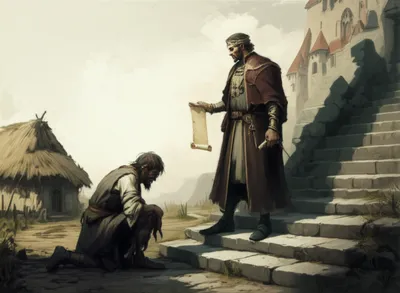
noun Télécharger 🔗Partager Villen, serf A feudal tenant. Examples : "The villain in the dispute over the family farm was a tenant with a long-standing claim to the land. " Le serf dans le litige concernant la ferme familiale était un fermier avec une revendication de longue date sur la terre. history job person society Chat avec IAJeu de vocabulairePratiquer la lecture