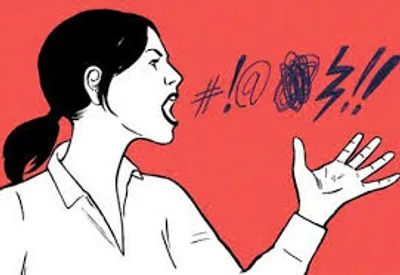
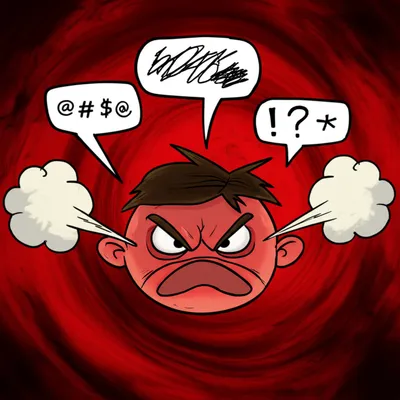
noun تحميل 🔗مشاركة شتيمة، كلمة نابية A profane, vulgar term, notably a curse or obscene oath. Examples : "When the student accidentally dropped her textbook, a loud expletive escaped her lips. " عندما أسقطت الطالبة كتابها المدرسي عن طريق الخطأ، أفلتت من شفتيها شتيمة بصوت عالٍ. curse language word communication linguistics دردشة مع الذكاء الاصطناعيلعبة المفرداتتدريب القراءة
noun تحميل 🔗مشاركة كلمة حشو A word without meaning added to fill a syntactic position. Examples : "The sentence is: "In the sentence 'There is a cat on the mat,' the word 'there' is an expletive because it doesn't refer to a place but just fills the subject position." " الجملة هي: "في جملة 'There is a cat on the mat'، كلمة 'there' هي كلمة حشو لأنها لا تشير إلى مكان بل تملأ فقط موضع الفاعل." grammar language word linguistics دردشة مع الذكاء الاصطناعيلعبة المفرداتتدريب القراءة
noun تحميل 🔗مشاركة شتيمة، كلمة نابية A word that adds to the strength of a phrase without affecting its meaning. Examples : "The sentence structure is simple and easily understood by English learners. "The sentence 'There is a cat on the mat' can be shortened to 'A cat is on the mat' because 'there' is an expletive in the first version; it doesn't add any real meaning." " يمكن اختصار جملة 'There is a cat on the mat' إلى 'A cat is on the mat' لأن 'there' كلمة نابية في النسخة الأولى؛ فهي لا تضيف أي معنى حقيقي. language grammar word linguistics دردشة مع الذكاء الاصطناعيلعبة المفرداتتدريب القراءة
adjective تحميل 🔗مشاركة حشو، زائد Serving to fill up, merely for effect, otherwise redundant. Examples : "The sentence began with an expletive "there," adding nothing to the meaning. " بدأت الجملة بكلمة الحشو "هناك"، ولم تضف شيئًا إلى المعنى. grammar language دردشة مع الذكاء الاصطناعيلعبة المفرداتتدريب القراءة
adjective تحميل 🔗مشاركة مليء بكلمات الحشو Marked by expletives (phrase-fillers). Examples : "The teacher's lecture was expletive, filled with phrases like "honestly" and "basically" that didn't add much to the content. " كانت محاضرة المعلم مليئة بكلمات الحشو، ومليئة بعبارات مثل "بصراحة" و "أساسًا" التي لم تضف الكثير إلى المحتوى. language word communication curse دردشة مع الذكاء الاصطناعيلعبة المفرداتتدريب القراءة