

noun🔗ShareRudiment, ÜberrestA small, degenerate, or imperfectly developed part or organ which has been more fully developed in some past generation."The human appendix is often cited as a vestigial organ, a remnant of our herbivorous ancestors. "Der menschliche Blinddarm wird oft als Rudiment bezeichnet, als Überrest unserer pflanzenfressenden Vorfahren.anatomybiologyphysiologyorganpartscienceChat with AIVocabulary GamePractice Reading
adjective🔗ShareÜberbleibsel, rudimentärOf or pertaining to a vestige or remnant; like a trace from the past."The human appendix is considered a vestigial organ, a remnant from our evolutionary past when it was used to digest cellulose. "Der menschliche Blinddarm gilt als rudimentäres Organ, ein Überbleibsel aus unserer Evolutionsgeschichte, als er zur Verdauung von Zellulose diente.biologyanatomyhistorypastChat with AIVocabulary GamePractice Reading
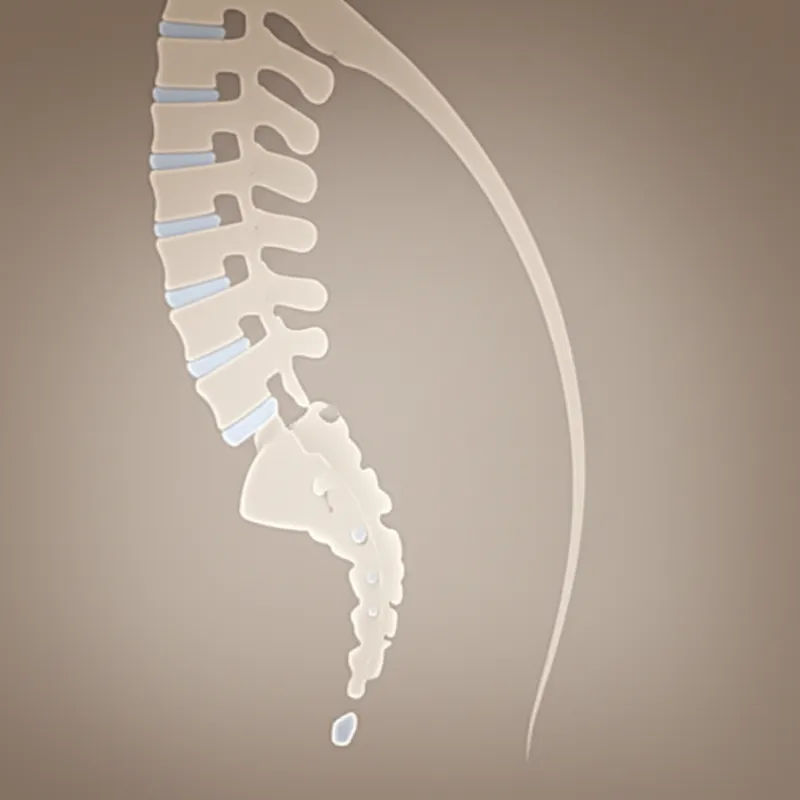
adjective🔗ShareRudimentär, zurückgebildetNot fully developed in mature animals."The human tailbone is a vestigial structure, a remnant from our ancestors that once had tails. "Das menschliche Steißbein ist eine rudimentäre Struktur, ein Überbleibsel unserer Vorfahren, die einst Schwänze hatten.biologyanatomyphysiologyorganismChat with AIVocabulary GamePractice Reading