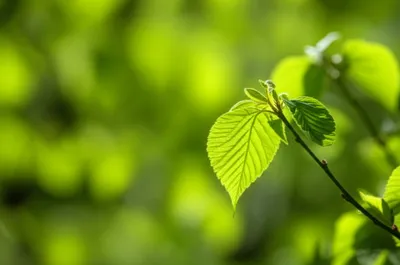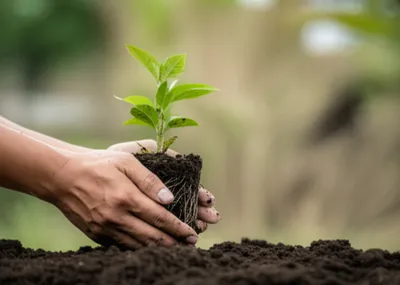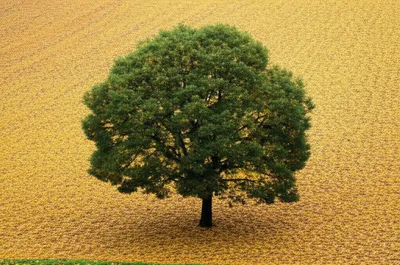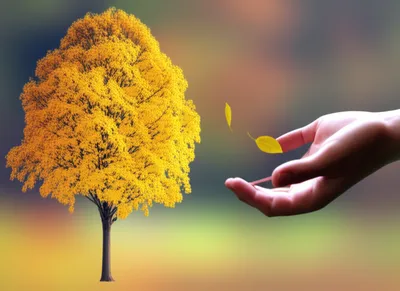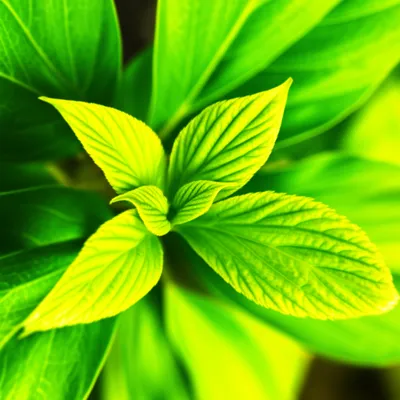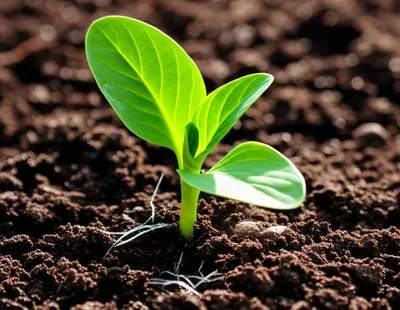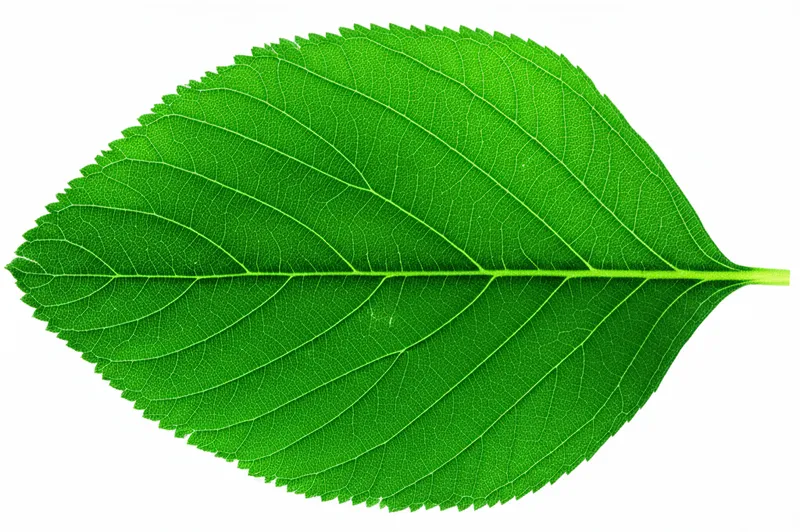

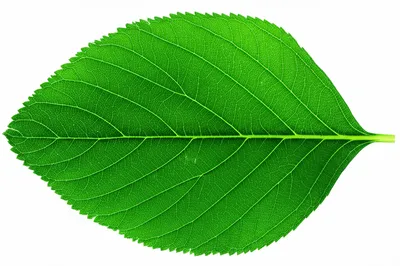

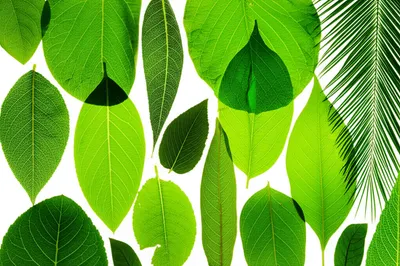
noun🔗ShareBlätterThe usually green and flat organ that represents the most prominent feature of most vegetative plants."The oak tree's large leaves provided shade for the children playing in the park. "Die großen Blätter der Eiche spendeten den im Park spielenden Kindern Schatten.plantbiologynatureorganismpartvegetableChat with AIVocabulary GamePractice Reading
noun🔗ShareBlätterAnything resembling the leaf of a plant."The artist used colorful leaves from the garden to decorate the classroom. "Der Künstler benutzte bunte Blätter aus dem Garten, um das Klassenzimmer zu dekorieren.plantpartnaturebiologyChat with AIVocabulary GamePractice Reading
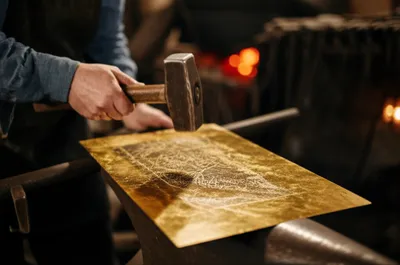
noun🔗ShareBlatt, BlätterA sheet of any substance beaten or rolled until very thin."gold leaf"GoldblattmaterialsubstanceChat with AIVocabulary GamePractice Reading
noun🔗ShareBlattA sheet of a book, magazine, etc (consisting of two pages, one on each face of the leaf)."The book had 100 leaves, each containing two pages of information. "Das Buch hatte 100 Blätter, jedes enthielt zwei Informationsseiten.literaturewritingstationeryChat with AIVocabulary GamePractice Reading
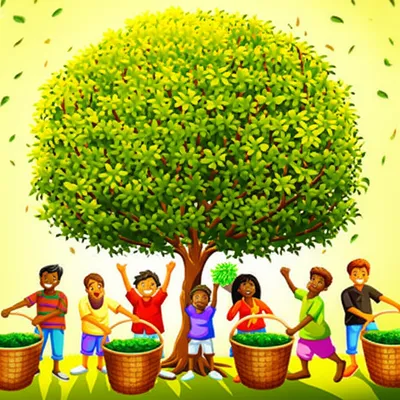
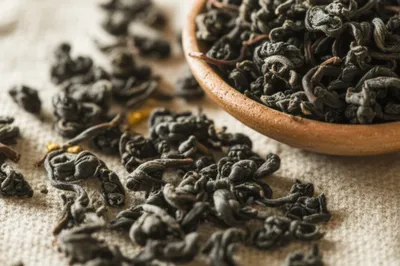
noun🔗ShareTeeblätter(in the plural) Tea leaves."My grandmother uses tea leaves to tell fortunes. "Meine Großmutter benutzt Teeblätter, um die Zukunft vorauszusagen.drinkfoodChat with AIVocabulary GamePractice Reading
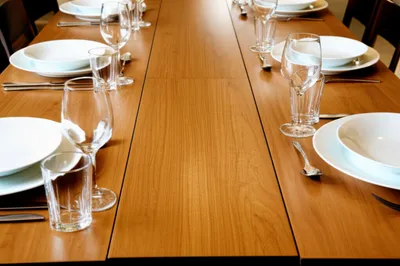
noun🔗ShareTischplattenverlängerung, TischverlängerungA flat section used to extend the size of a table."The dining room table needed extra space, so we added two leaves. "Der Esstisch brauchte mehr Platz, also haben wir zwei Tischplattenverlängerungen hinzugefügt.partutensilbuildingChat with AIVocabulary GamePractice Reading
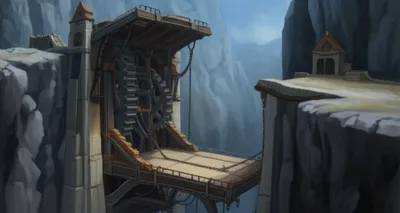
noun🔗ShareFlügel, BlattA moveable panel, e.g. of a bridge or door, originally one that hinged but now also applied to other forms of movement."The train car has one single-leaf and two double-leaf doors per side."Der Zugwagen hat pro Seite eine einflügelige und zwei zweiflügelige Türen.architecturepartChat with AIVocabulary GamePractice Reading
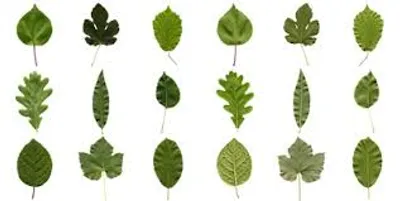
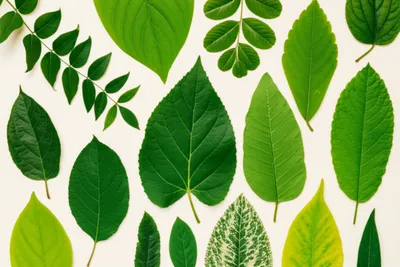
noun🔗ShareBlatt, BlätterA foliage leaf or any of the many and often considerably different structures it can specialise into."The plant's leaves changed color in the fall, showcasing the different shapes and sizes of its foliage. "Die Blätter der Pflanze änderten im Herbst ihre Farbe und zeigten die verschiedenen Formen und Größen ihres Laubes.plantorganismnaturebiologyenvironmentpartChat with AIVocabulary GamePractice Reading
noun🔗ShareBlätterIn a tree, a node that has no descendants."The family tree diagram showed that my great-grandmother had several leaves, meaning she had no children. "Das Familienstammbaumdiagramm zeigte, dass meine Urgroßmutter mehrere Blätter hatte, was bedeutete, dass sie keine Kinder hatte.biologyplantpartChat with AIVocabulary GamePractice Reading
noun🔗ShareSchweineblatt, NierenfettThe layer of fat supporting the kidneys of a pig, leaf fat."The butcher carefully trimmed the leaves from the pig's kidneys before preparing the roast. "Der Metzger schnitt sorgfältig das Schweineblatt von den Nieren des Schweins ab, bevor er den Braten zubereitete.animalbodyfoodanatomyorganChat with AIVocabulary GamePractice Reading
noun🔗ShareZahn, BlattOne of the teeth of a pinion, especially when small."The tiny leaves of the gear were so small, it was hard to count them all. "Die winzigen Zähne des Zahnrads waren so klein, dass es schwer war, sie alle zu zählen.technicalmachinepartChat with AIVocabulary GamePractice Reading
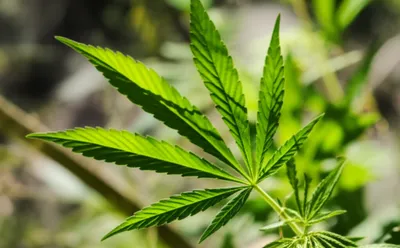
noun🔗ShareMarihuana, GrasMarijuana."My friend said he was feeling stressed, so he smoked some leaves. "Mein Freund sagte, er fühlte sich gestresst, also rauchte er etwas Gras.medicinesubstanceChat with AIVocabulary GamePractice Reading
noun🔗ShareKanadier(4chan) A Canadian person."My friend told me that the new kid in school is a real leaf. "Mein Freund hat mir gesagt, dass der neue Schüler in der Schule ein echter Kanadier ist.cultureinternetpersonChat with AIVocabulary GamePractice Reading
verb🔗ShareZurücklassen, verursachenTo have a consequence or remnant."His angry words left a bad feeling in the classroom. "Seine wütenden Worte hinterließen ein ungutes Gefühl im Klassenzimmer.outcomeChat with AIVocabulary GamePractice Reading
verb🔗ShareVerlassen, weggehenTo depart; to separate from."The student leaves the classroom after the bell rings. "Der Schüler verlässt das Klassenzimmer, nachdem die Glocke geläutet hat.actionwayChat with AIVocabulary GamePractice Reading
verb🔗ShareVerlassen, weggehenTo transfer something."The teacher leaves the lesson plans for the next class. "Der Lehrer hinterlässt die Unterrichtspläne für die nächste Klasse.businesseconomyfinanceChat with AIVocabulary GamePractice Reading
verb🔗ShareVerbleiben, zurückbleibenTo remain (behind); to stay."After the party, many guests left, but my friend left to clean up. "Nach der Party gingen viele Gäste, aber mein Freund blieb, um aufzuräumen.actionsituationChat with AIVocabulary GamePractice Reading
verb🔗ShareAufhören, unterlassenTo stop, desist from; to "leave off" (+ noun / gerund)."After the test, the students left off studying for a while. "Nach dem Test hörten die Schüler eine Weile mit dem Lernen auf.actionwayprocessChat with AIVocabulary GamePractice Reading
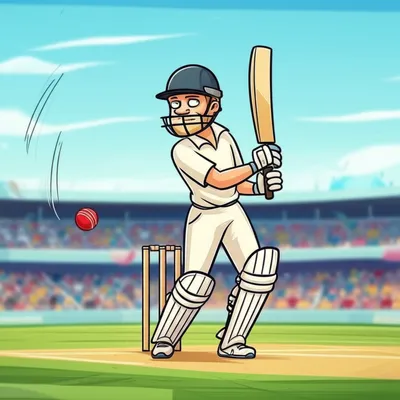
noun🔗ShareDas Weglassen des Balls, das Nichtspielen des BallsThe action of the batsman not attempting to play at the ball."The batter's leaves were often the cause of frustration for the coach. "Das Weglassen des Balls durch den Schläger war oft die Ursache für die Frustration des Trainers.sportactionChat with AIVocabulary GamePractice Reading
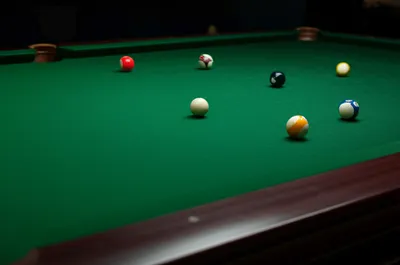
noun🔗ShareDie Anordnung der verbleibenden Kugeln nach einem SchussThe arrangement of balls in play that remains after a shot is made (which determines whether the next shooter — who may be either the same player, or an opponent — has good options, or only poor ones)."The leaves after the first player's shot gave the opponent good options for their next turn. "Die Anordnung der Kugeln nach dem Schuss des ersten Spielers gab dem Gegner gute Optionen für seinen nächsten Zug.sportgameChat with AIVocabulary GamePractice Reading
noun🔗ShareUrlaub, FreistellungPermission to be absent; time away from one's work."The teacher granted the student leaves for the week-long family vacation. "Der Lehrer gewährte dem Schüler Urlaub für den einwöchigen Familienurlaub.jobtimebusinessworkChat with AIVocabulary GamePractice Reading
noun🔗ShareErlaubnis, GenehmigungPermission."Might I beg leave to accompany you?"Darf ich um Erlaubnis bitten, Sie zu begleiten?rightlawChat with AIVocabulary GamePractice Reading
noun🔗ShareAbschied, WeggangFarewell, departure."I took my leave of the gentleman without a backward glance."Ich nahm Abschied von dem Herrn, ohne mich umzudrehen.actioneventChat with AIVocabulary GamePractice Reading
verb🔗ShareErlauben, gestattenTo give leave to; allow; permit; let; grant."We were not left go to the beach after school except on a weekend."Uns wurde nicht erlaubt, nach der Schule an den Strand zu gehen, außer am Wochenende.actionabilityrightChat with AIVocabulary GamePractice Reading
verb🔗ShareBlätter treiben, belaubt werdenTo produce leaves or foliage."The young oak tree leaves new, green shoots each spring. "Die junge Eiche treibt jedes Frühjahr neue, grüne Blätter.natureplantbiologyChat with AIVocabulary GamePractice Reading
verb🔗ShareErheben, einziehenTo raise; to levy."The government is leaving a new tax on gasoline. "Die Regierung erhebt eine neue Steuer auf Benzin.governmentpoliticsChat with AIVocabulary GamePractice Reading