












noun🔗ShareReiche, WohlhabendeA wealthy or privileged person."The wealthy have in our town often send their children to private schools. "Die Reichen in unserer Stadt schicken ihre Kinder oft auf Privatschulen.personasseteconomysocietyessentialChat with AIVocabulary GamePractice Reading
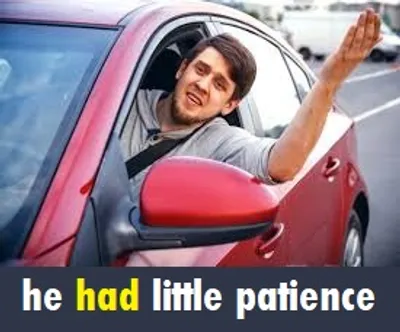
noun🔗ShareBesitzer, InhaberOne who has some (contextually specified) thing."My sister is a very good have of patience. "Meine Schwester ist eine sehr geduldige Person.personthingessentialChat with AIVocabulary GamePractice Reading
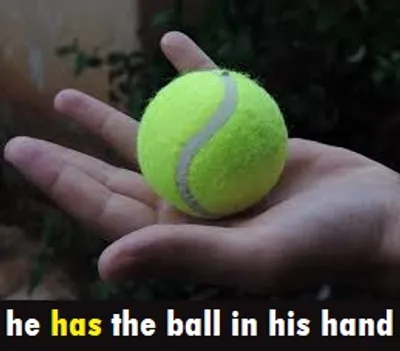
verb🔗ShareBesitzen, habenTo possess, own."I have a house and a car."Ich habe ein Haus und ein Auto.propertyassetessentialChat with AIVocabulary GamePractice Reading
verb🔗ShareBesitzen, habenTo hold, as something at someone's disposal."The teacher has all the necessary textbooks available for the students. "Der Lehrer hat alle notwendigen Lehrbücher für die Schüler zur Verfügung.abilitypropertyessentialChat with AIVocabulary GamePractice Reading
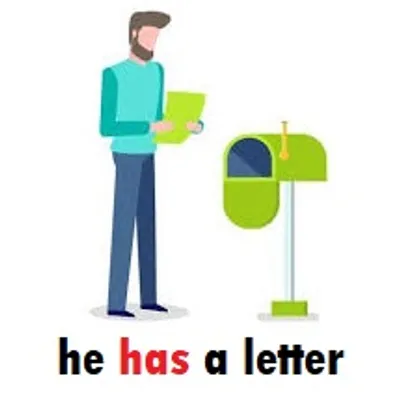
verb🔗ShareHaben, besitzenUsed to state the existence or presence of someone in a specified relationship with the subject."I have a really mean boss."Ich habe einen wirklich gemeinen Chef.languagegrammaressentialChat with AIVocabulary GamePractice Reading
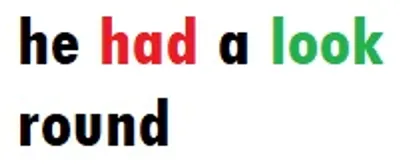
verb🔗ShareZu sich nehmen, essen, trinken, erlebenTo partake of (a particular substance, especially food or drink, or action or activity)."Can I have a look at that?"Kann ich mir das ansehen?fooddrinkactionessentialChat with AIVocabulary GamePractice Reading
verb🔗ShareTeilnehmen, dabei seinTo be scheduled to attend, undertake or participate in."My brother has a doctor's appointment next Tuesday. "Mein Bruder hat nächsten Dienstag einen Arzttermin.plantimeeventessentialChat with AIVocabulary GamePractice Reading
verb🔗ShareErleben, durchmachenTo experience, go through, undergo."He had surgery on his hip yesterday."Er hatte gestern eine Hüftoperation.actionbeingessentialChat with AIVocabulary GamePractice Reading
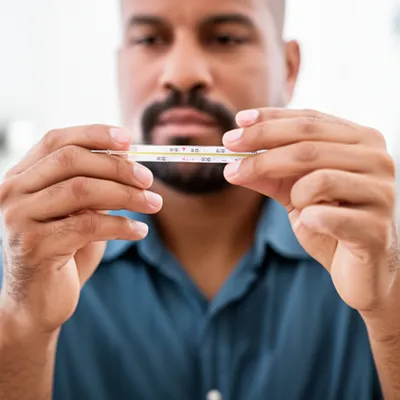
verb🔗ShareLeiden an, habenTo be afflicted with, suffer from."He had a cold last week."Er hatte letzte Woche eine Erkältung.medicinediseasesufferingessentialChat with AIVocabulary GamePractice Reading
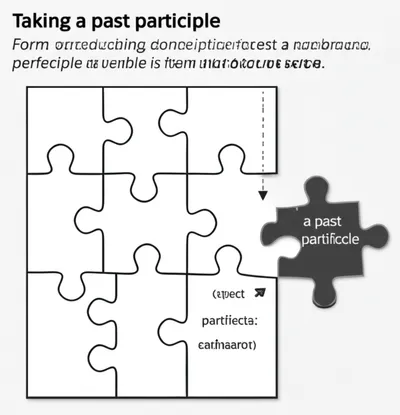
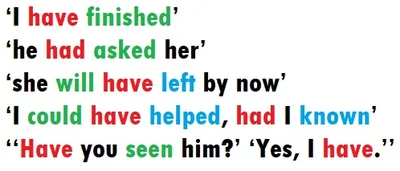
verb🔗ShareHaben(auxiliary verb, taking a past participle) Used in forming the perfect aspect."I had already eaten."Ich hatte bereits gegessen.grammarlanguagelinguisticspast participleessentialChat with AIVocabulary GamePractice Reading
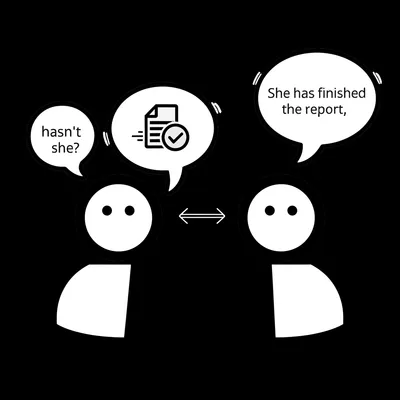
verb🔗ShareHabenUsed as an interrogative verb before a pronoun to form a tag question, echoing a previous use of 'have' as an auxiliary verb or, in certain cases, main verb. (For further discussion, see the appendix English tag questions.)"You've been studying hard, haven't you? "Du hast fleißig gelernt, nicht wahr?grammarlinguisticswordessentialChat with AIVocabulary GamePractice Reading
verb🔗ShareMüssen(auxiliary verb, taking a to-infinitive) See have to."I have to go."Ich muss gehen.grammarlanguagelinguisticsessentialChat with AIVocabulary GamePractice Reading
verb🔗ShareGebären, zur Welt bringenTo give birth to."My mother had me when she was 25."Meine Mutter hat mich zur Welt gebracht, als sie 25 war.familyphysiologybiologyhumanessentialChat with AIVocabulary GamePractice Reading
verb🔗ShareSex haben, verkehrenTo engage in sexual intercourse with."The couple decided to have a baby. "Das Paar beschloss, ein Kind zu bekommen.sexhumanactionessentialChat with AIVocabulary GamePractice Reading
verb🔗ShareEine romantische Beziehung eingehenTo accept as a romantic partner."Despite my protestations of love, she would not have me."Trotz meiner Liebesbeteuerungen wollte sie keine Beziehung mit mir eingehen.humanpersonessentialChat with AIVocabulary GamePractice Reading
verb🔗ShareVeranlassen, lassen(transitive with bare infinitive) To cause to, by a command, request or invitation."They had me feed their dog while they were out of town."Sie ließen mich ihren Hund füttern, während sie nicht in der Stadt waren.languagegrammaressentialChat with AIVocabulary GamePractice Reading
verb🔗ShareVeranlassen, machen(transitive with adjective or adjective-phrase complement) To cause to be."He had him arrested for trespassing."Er ließ ihn wegen Hausfriedensbruchs verhaften.languagegrammaressentialChat with AIVocabulary GamePractice Reading
verb🔗ShareErleben, erfahren(transitive with bare infinitive) To be affected by an occurrence. (Used in supplying a topic that is not a verb argument.)"The noisy construction outside the school has affected the students' concentration. "Der laute Bau außerhalb der Schule hat die Konzentration der Schüler beeinträchtigt.languagegrammaressentialChat with AIVocabulary GamePractice Reading
verb🔗ShareDarstellen als, halten für(transitive with adjective or adjective-phrase complement) To depict as being."The artist's painting has the sky depicted as a fiery orange. "Das Gemälde des Künstlers stellt den Himmel als feuriges Orange dar.languagelinguisticsessentialChat with AIVocabulary GamePractice Reading
verb🔗ShareBesiegen, erobernTo defeat in a fight; take."I could have him!"Ich könnte ihn besiegen!militarywaractionessentialChat with AIVocabulary GamePractice Reading
verb🔗ShareSprechen können(obsolete outside Ireland) To be able to speak (a language)."I have no German."Ich kann kein Deutsch sprechen.languagelinguisticscommunicationabilityessentialChat with AIVocabulary GamePractice Reading
verb🔗ShareEmpfinden, verspürenTo feel or be (especially painfully) aware of."Dan certainly has arms today, probably from scraping paint off four columns the day before."Dan verspürt heute sicherlich Schmerzen in den Armen, wahrscheinlich vom Abschaben von Farbe von vier Säulen am Vortag.sensationemotionmindessentialChat with AIVocabulary GamePractice Reading
verb🔗ShareAustricksen, täuschenTo trick, to deceive."You had me alright! I never would have thought that was just a joke."Du hast mich reingelegt! Ich hätte nie gedacht, dass das nur ein Scherz war.actioncharacterattitudecommunicationwordessentialChat with AIVocabulary GamePractice Reading
verb🔗ShareErlauben, dulden(often with present participle) To allow; to tolerate."My parents have to allow me to stay up late on weekends. "Meine Eltern müssen mir erlauben, am Wochenende lange aufzubleiben.attitudeactionessentialChat with AIVocabulary GamePractice Reading
verb🔗ShareGlauben, halten für(often used in the negative) To believe, buy, be taken in by."My brother didn't have that the new phone was the best; he just thought it was expensive. "Mein Bruder glaubte nicht, dass das neue Telefon das Beste war; er fand es nur teuer.mindattitudeessentialChat with AIVocabulary GamePractice Reading
verb🔗ShareBeherbergen, empfangenTo host someone; to take in as a guest."Thank you for having me!"Vielen Dank, dass Sie mich empfangen haben!entertainmentfoodessentialChat with AIVocabulary GamePractice Reading
verb🔗ShareMessen, erhaltenTo get a reading, measurement, or result from an instrument or calculation."I have two contacts on my scope."Ich habe zwei Kontakte auf meinem Oszilloskop.outcomemathscienceessentialChat with AIVocabulary GamePractice Reading
verb🔗ShareBeraten, verhandeln(of a jury) To consider a court proceeding that has been completed; to begin deliberations on a case."The jury has to consider the evidence carefully before they reach a verdict. "Die Jury muss die Beweise sorgfältig prüfen, bevor sie ein Urteil fällt.lawgovernmentessentialChat with AIVocabulary GamePractice Reading
verb🔗ShareBeobachtenTo make an observation of (a bird species)."The ornithologist had the rare bluebird species in his backyard. "Der Ornithologe beobachtete die seltene Blaumeisenart in seinem Garten.birdanimalnatureessentialChat with AIVocabulary GamePractice Reading
noun🔗ShareBetrug, TäuschungA fraud or deception; something misleading."The advertisement had a huge have; it promised a perfect figure in just a week, but it was a scam. "Die Werbung war ein riesiger Betrug; sie versprach eine perfekte Figur in nur einer Woche, aber es war ein Schwindel.businessmoralsocietyessentialChat with AIVocabulary GamePractice Reading