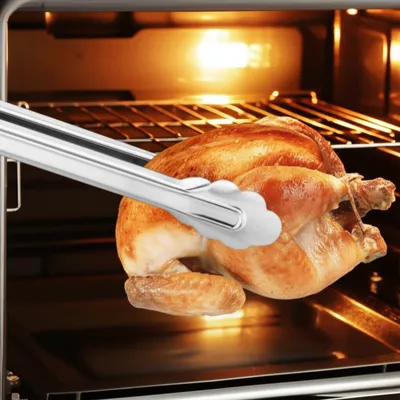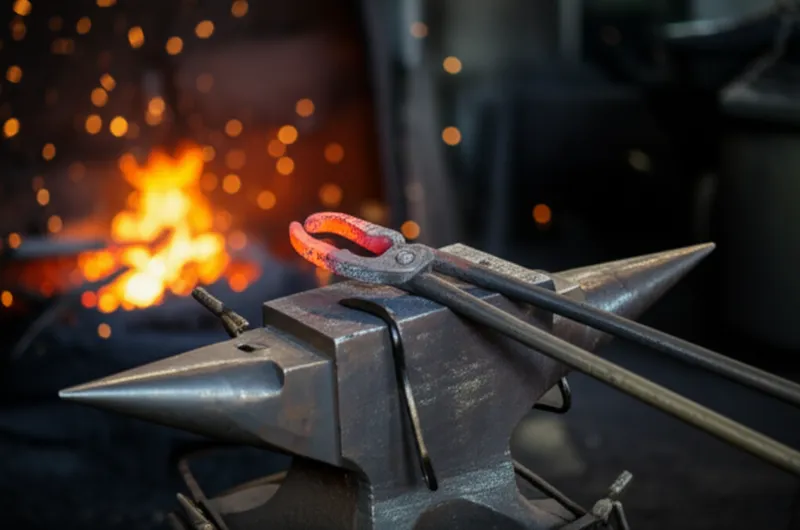

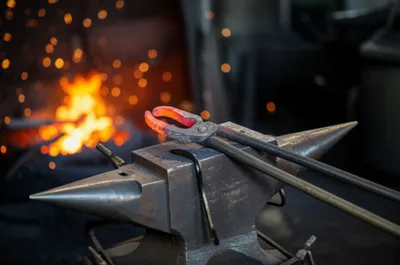




noun🔗Share집게An instrument or tool used for manipulating things in a fire without touching them with the hands."My dad used the tong to carefully turn the hot dogs on the grill. "아버지는 집게를 사용하여 그릴 위에서 핫도그를 조심스럽게 뒤집었습니다.utensilChat with AIVocabulary GamePractice Reading
verb🔗Share집게를 사용하다To use tongs."Sentence: "Please tong the hot charcoal with the barbecue tool so you don't burn your hand." "손을 데지 않도록 바비큐 도구로 뜨거운 숯을 집게로 집으세요.utensilitemChat with AIVocabulary GamePractice Reading
verb🔗Share집게로 잡다To grab, manipulate or transport something using tongs."The cook tonged the hot sausages from the grill and placed them on a plate. "요리사는 집게로 뜨거운 소시지를 그릴에서 집어 접시에 놓았습니다.utensilactionChat with AIVocabulary GamePractice Reading
noun🔗Share비밀 결사, 갱A Chinese secret society or gang."The police suspected the string of arson fires was the work of a rival tong seeking to intimidate local businesses. "경찰은 일련의 방화가 지역 사업체를 위협하려는 경쟁 갱의 소행이라고 의심했다.grouporganizationhistorysocietycultureChat with AIVocabulary GamePractice Reading
noun🔗Share혀The flexible muscular organ in the mouth that is used to move food around, for tasting and that is moved into various positions to modify the flow of air from the lungs in order to produce different sounds in speech."The doctor asked me to stick out my tongue so she could check my throat. "의사는 목을 확인하기 위해 혀를 내밀라고 했습니다.organanatomybodyphysiologyfoodlanguagesensationparthumanChat with AIVocabulary GamePractice Reading
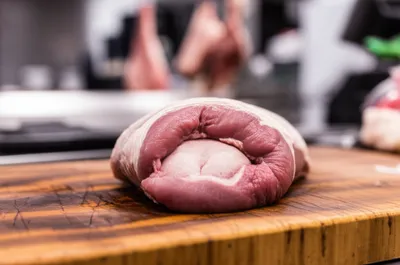
noun🔗Share혀This organ, as taken from animals used for food (especially cows).−"cold tongue with mustard"겨자 소스를 곁들인 차가운 혀foodanimalorganChat with AIVocabulary GamePractice Reading
noun🔗Share언어(metonym) A language."He was speaking in his native tongue."그는 모국어로 말하고 있었다.languageChat with AIVocabulary GamePractice Reading
noun🔗Share언어 사용자 집단Speakers of a language, collectively."The English-speaking tong often has difficulty understanding subtle humor in other languages. "영어를 사용하는 언어 사용자 집단은 다른 언어의 미묘한 유머를 이해하는 데 어려움을 겪는 경우가 많습니다.languagegroupChat with AIVocabulary GamePractice Reading
noun🔗Share목소리, 억양Voice (the distinctive sound of a person's speech); accent (distinctive manner of pronouncing a language)."Even though she had lived in America for many years, I could still hear the distinct tong of her native Mandarin in her English pronunciation. "그녀가 미국에서 여러 해를 살았음에도 불구하고, 나는 그녀의 영어 발음에서 그녀의 모국어인 만다린의 뚜렷한 억양을 여전히 들을 수 있었다.languagephoneticscommunicationsoundChat with AIVocabulary GamePractice Reading
noun🔗Share말투, 어조Manner of speaking, often habitually."His tong was always polite and respectful, even when he disagreed with his teacher. "그의 말투는 항상 공손하고 존경스러웠으며, 심지어 선생님과 의견이 다를 때도 그랬다.languagecommunicationlinguisticsstyleChat with AIVocabulary GamePractice Reading
noun🔗Share말하는 사람들(metonym) A person speaking in a specified manner (most often plural)."After the debate, the principal listened to the tongs expressing concerns about fairness. "토론 후, 교장은 공정성에 대한 우려를 표명하는 말하는 사람들의 말을 들었습니다.personlanguagecommunicationChat with AIVocabulary GamePractice Reading
noun🔗Share말, 언어The power of articulate utterance; speech generally."The shy student finally found her tong and confidently answered the teacher's question. "수줍은 학생은 마침내 말을 찾아 선생님의 질문에 자신 있게 대답했다.languagecommunicationwordabilityChat with AIVocabulary GamePractice Reading
noun🔗Share말솜씨, 언변Discourse; fluency of speech or expression."Even though he was nervous, the candidate delivered his speech with surprising tong, impressing the audience with his articulate answers. "그는 긴장했음에도 불구하고, 후보자는 놀라운 말솜씨로 연설을 했고, 명확한 답변으로 청중에게 깊은 인상을 남겼다.languagecommunicationabilityChat with AIVocabulary GamePractice Reading
🔗Share말솜씨, 언변Discourse; fluency of speech or expression."Her essay demonstrated a remarkable tong and understanding of the subject matter. "그녀의 에세이는 놀라운 말솜씨와 주제에 대한 이해를 보여주었다.languagecommunicationabilityChat with AIVocabulary GamePractice Reading
noun🔗Share찬사, 칭찬Honourable discourse; eulogy."The elder delivered a moving tong at the funeral, praising the deceased's kindness and dedication to the community. "장로는 장례식에서 고인의 친절함과 지역 사회에 대한 헌신을 칭찬하며 감동적인 찬사를 전했다.literaturewritinglanguageChat with AIVocabulary GamePractice Reading
noun🔗Share방언, 혓바닥 소리(often in the plural) Glossolalia."During the Pentecostal church service, some members began speaking in tongs, a language unknown to the others present. "오순절 교회 예배 중에, 몇몇 신도들이 다른 참석자들에게 알려지지 않은 언어인 방언으로 말하기 시작했다.religionlanguageChat with AIVocabulary GamePractice Reading
noun🔗Share신발 혀In a shoe, the flap of material that goes between the laces and the foot (so called because it resembles a tongue in the mouth)."The tong of my new sneaker kept sliding to the side, so I had to adjust it. "새 운동화의 신발 혀가 계속 옆으로 밀려서 조절해야 했다.appearancepartwearitemChat with AIVocabulary GamePractice Reading
noun🔗Share돌기, 혀Any large or long physical protrusion on an automotive or machine part or any other part that fits into a long groove on another part."The heavy metal plate wouldn't stay in place until the worker slid its tong into the corresponding groove in the machine's frame. "작업자가 무거운 금속판의 돌기를 기계 프레임의 해당 홈에 밀어 넣기 전까지는 제자리에 고정되지 않았다.parttechnicalmachineChat with AIVocabulary GamePractice Reading
noun🔗Share돌출부, 부속물A projection, or slender appendage or fixture."The key on my old radio with the broken tong kept falling off. "고장난 돌출부가 달린 내 오래된 라디오의 부속물이 계속 떨어졌다.partthingChat with AIVocabulary GamePractice Reading
noun🔗Share곶, 튀어나온 땅A long, narrow strip of land, projecting from the mainland into a sea or lake."From the top of the hill, we could see the small village nestled at the end of the tong of land jutting out into the lake. "언덕 꼭대기에서 우리는 호수로 튀어나온 땅의 끝에 자리 잡은 작은 마을을 볼 수 있었다.geographyplaceChat with AIVocabulary GamePractice Reading
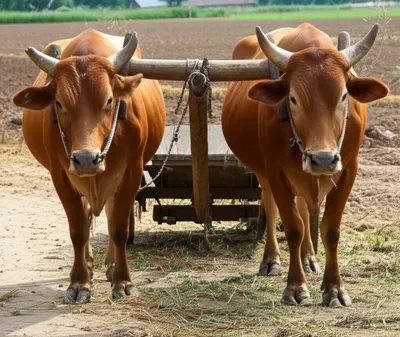
noun🔗Share멍에The pole of a vehicle; especially, the pole of an ox cart, to the end of which the oxen are yoked."The farmer carefully attached the oxen to the tong of the heavy ox cart, preparing for a long day in the fields. "농부는 밭에서 긴 하루를 준비하며 무거운 소달구지의 멍에에 소들을 조심스럽게 연결했다.vehicleagriculturepartChat with AIVocabulary GamePractice Reading
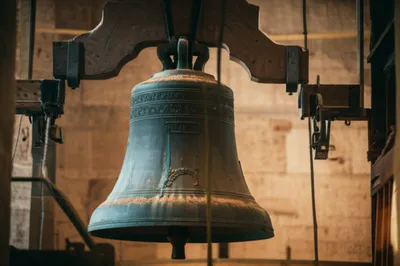
noun🔗Share종의 혀The clapper of a bell."The bell wouldn't ring because the tong was broken and couldn't strike the side. "종의 혀가 부러져서 옆면을 칠 수 없었기 때문에 종이 울리지 않았다.soundutensilbell-ringingdeviceitemChat with AIVocabulary GamePractice Reading
noun🔗Share불꽃, 불길An individual point of flame from a fire."I watched a single tong of flame lick up the side of the log in the fireplace. "나는 벽난로 속 통나무 옆면을 핥는 불꽃 하나를 지켜보았다.energyphysicsChat with AIVocabulary GamePractice Reading
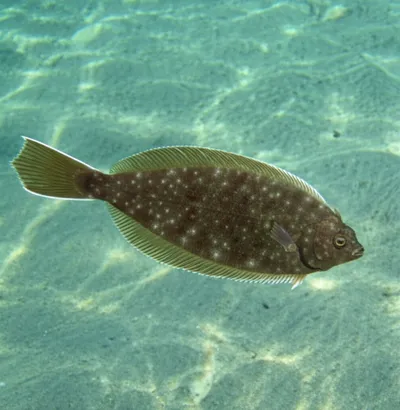
noun🔗Share넙치A small sole (type of fish)."My dad enjoys fishing and sometimes catches a small tong, which he fries for dinner. "아버지는 낚시를 즐겨하시고 가끔 작은 넙치를 잡아 저녁 식사로 튀겨 드십니다.fishfoodChat with AIVocabulary GamePractice Reading
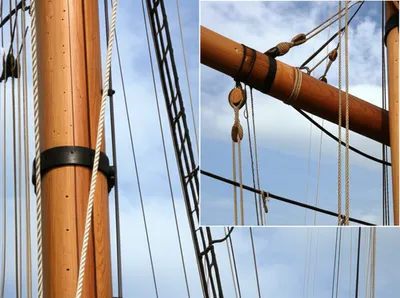
noun🔗Share통A short piece of rope spliced into the upper part of standing backstays, etc.; also, the upper main piece of a mast composed of several pieces."The rigger carefully inspected the tong where the backstay connected to the mast, ensuring it was secure for the upcoming race. "정비공은 다가오는 경주를 위해 백스테이가 마스트에 연결된 통을 조심스럽게 검사하여 안전한지 확인했습니다.nauticalsailingtechnicalpartChat with AIVocabulary GamePractice Reading
noun🔗Share갈대A reed."The children used the tong they found by the river to make whistles. "아이들은 강가에서 찾은 갈대로 피리를 만들었다.plantmaterialnatureChat with AIVocabulary GamePractice Reading
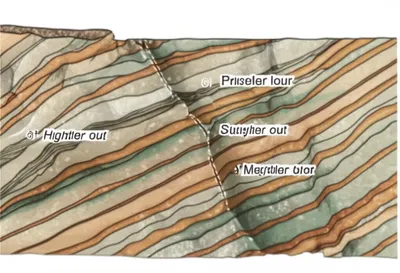
noun🔗Share층, 단A division of formation; A layer or member of a formation that pinches out in one direction."The geologist pointed out how the thin tong of sandstone, visible higher on the cliff face, disappeared completely further to the east. "지질학자는 절벽 면 위에서 보이는 얇은 사암 층이 동쪽으로 갈수록 완전히 사라지는 것을 지적했다.geologypartChat with AIVocabulary GamePractice Reading