noun Скачать 🔗Поделиться Жар, лихорадка A higher than normal body temperature of a person (or, generally, a mammal), usually caused by disease. Examples : ""During the flu season, many children develop fevers and stay home from school." " Во время сезона гриппа у многих детей поднимается жар, и они остаются дома, не посещая школу. medicine physiology disease body Чат с ИИИгра со словамиПрактика чтения
noun Скачать 🔗Поделиться Лихорадки, болезни (usually in combination with one or more preceding words) Any of various diseases. Examples : "The doctor suspected she had scarlet fevers due to the rash and high temperature. " Врач заподозрил у нее скарлатину из-за сыпи и высокой температуры. disease medicine Чат с ИИИгра со словамиПрактика чтения
noun Скачать 🔗Поделиться Волнение, возбуждение A state of excitement or anxiety. Examples : "The children were struck with fevers of anticipation as they waited for their birthday party to begin. " Дети были охвачены волнением в ожидании начала своего дня рождения. mind sensation emotion Чат с ИИИгра со словамиПрактика чтения
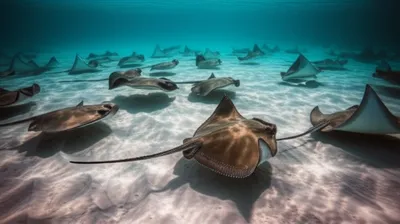
noun Скачать 🔗Поделиться Стая скатов A group of stingrays. Examples : "While snorkeling, we spotted two fevers of stingrays gracefully gliding across the sandy ocean floor. " Во время снорклинга мы заметили две стаи скатов, грациозно скользящих по песчаному морскому дну. animal fish group Чат с ИИИгра со словамиПрактика чтения
verb Скачать 🔗Поделиться Вызывать жар, лихорадить To put into a fever; to affect with fever. Examples : "a fevered lip" Набухшая губа medicine physiology disease Чат с ИИИгра со словамиПрактика чтения
verb Скачать 🔗Поделиться Покрываться лихорадкой To become fevered. Examples : "The child fevers when a bad cold strikes, often becoming restless. " У ребенка поднимается температура, когда его поражает сильная простуда, и он часто становится беспокойным. medicine physiology disease Чат с ИИИгра со словамиПрактика чтения