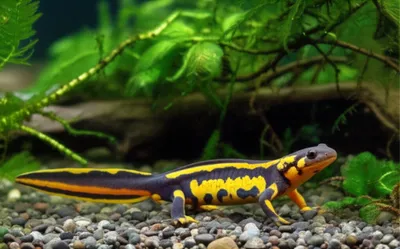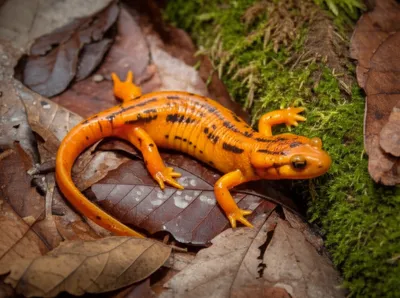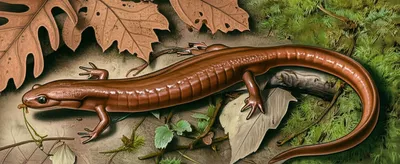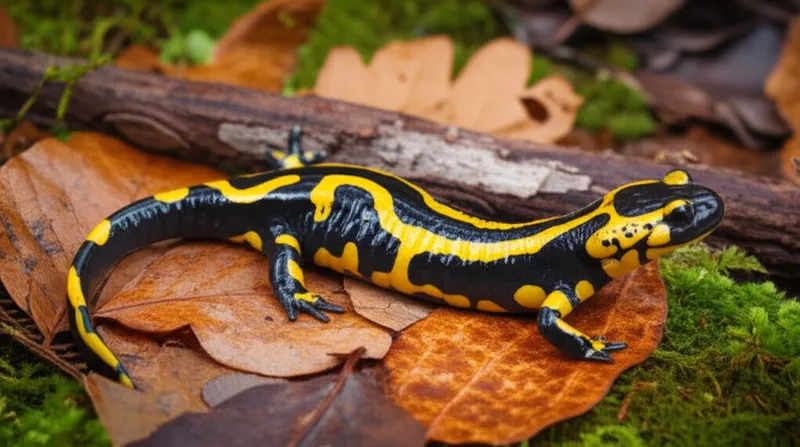


noun🔗ShareSchwanzlurcheAny member of the Caudata order of amphibians."The zoology student learned that a salamander is a type of caudate, characterized by its tail and amphibian nature. "Der Zoologiestudent lernte, dass ein Salamander eine Art von Schwanzlurch ist, der sich durch seinen Schwanz und seine Amphibiennatur auszeichnet.animalbiologyorganismnatureChat with AIVocabulary GamePractice Reading
adjective🔗ShareGeschwänzt, mit schwanzartiger VerlängerungTapering into a long, tail-like extension at the apex."The artist's sculpted figure had a caudate tail, tapering smoothly to a long, pointed end. "Die Skulptur des Künstlers hatte einen geschwänzten Schwanz, der sich sanft zu einem langen, spitzen Ende verjüngte.appearancebiologyorganismanatomyChat with AIVocabulary GamePractice Reading
adjective🔗ShareGeschwänzt, mit SchwanzHaving a tail."The comet streaked across the night sky, its caudate form leaving a bright trail behind it. "Der Komet zog über den Nachthimmel, seine geschwänzte Form hinterließ eine helle Spur.animalanatomybiologyChat with AIVocabulary GamePractice Reading
adjective🔗ShareSchwanztragendOf or pertaining to the Caudata order of amphibians."The caudate amphibians, like salamanders, often require moist environments to thrive. "Die schwanztragenden Amphibien, wie Salamander, benötigen oft feuchte Umgebungen, um zu gedeihen.organismanimalbiologynatureChat with AIVocabulary GamePractice Reading
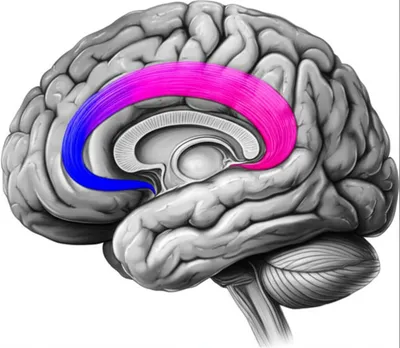
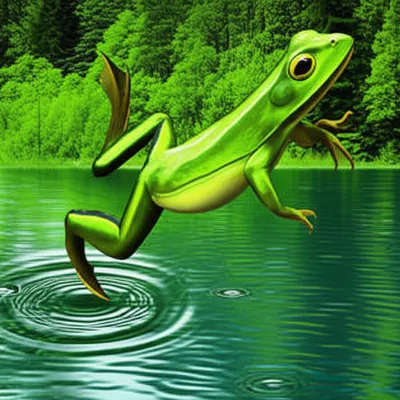
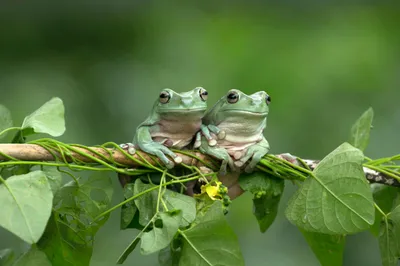
adjective🔗ShareGeschwänzt, mit schwanzartigem FortsatzIndicates an anatomical structure with a tail-like extension, such as the Caudate nucleus."The frog's tadpole form has a caudate body, clearly showing a tail. "Die Kaulquappenform des Frosches hat einen geschwänzten Körper, der deutlich einen Schwanz zeigt.anatomybodyorganChat with AIVocabulary GamePractice Reading