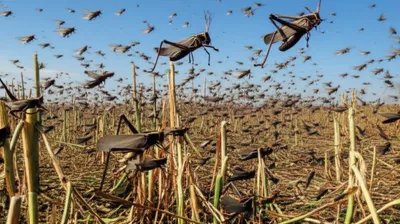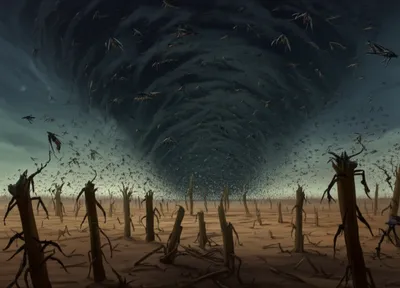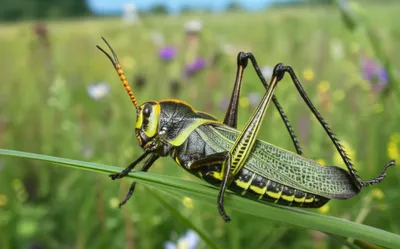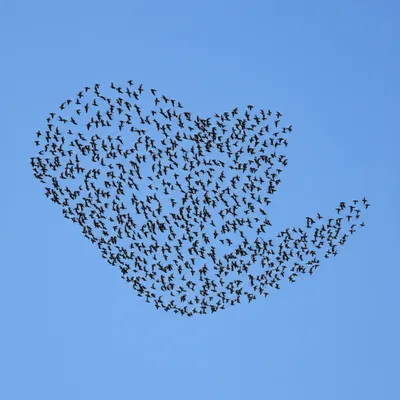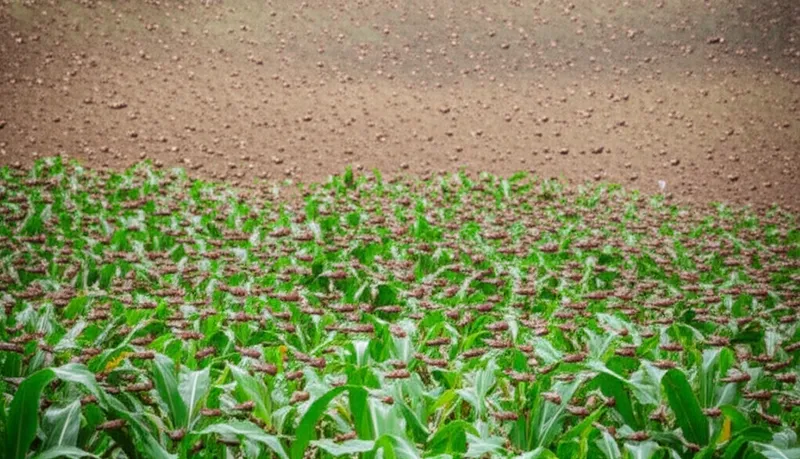

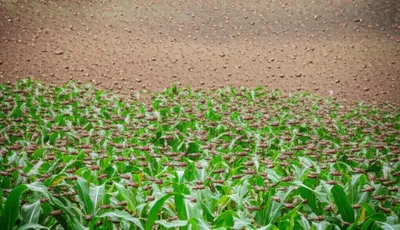
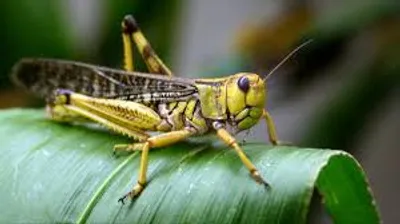
noun🔗ShareHeuschreckeAny of the grasshoppers, often polyphenic and usually swarming, in the family Acrididae that are very destructive to crops and other vegetation, (especially) the migratory locust (Locusta migratoria)."The farmer worried as a swarm of locust devoured his entire field of wheat in a matter of hours. "Der Bauer sorgte sich, als ein Schwarm von Heuschrecken sein gesamtes Weizenfeld innerhalb weniger Stunden verzehrte.insectanimalbiologyagriculturedisasterenvironmentnatureecologyChat with AIVocabulary GamePractice Reading
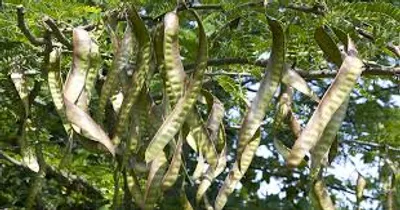
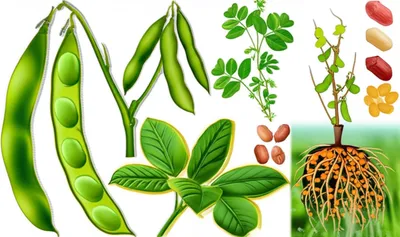
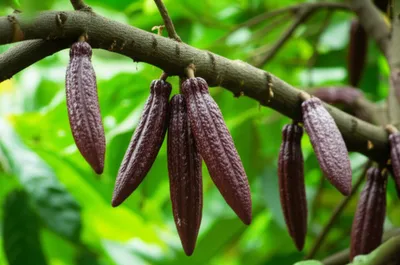
noun🔗ShareJohannisbrot, KarobenfruchtA fruit or pod of the carob tree."The health food store sells locusts, which are the long, brown pods of the carob tree, often used as a natural sweetener. "Der Bioladen verkauft Johannisbrot, die langen, braunen Schoten des Johannisbrotbaums, die oft als natürliches Süßungsmittel verwendet werden.fruitfoodplantChat with AIVocabulary GamePractice Reading
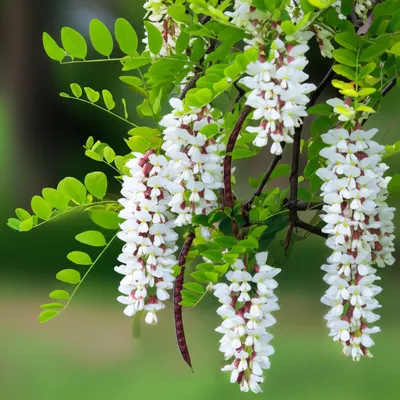
noun🔗ShareSchotenklee, RobinieAny of various often leguminous trees and shrubs, especially of the genera Robinia and Gleditsia; the locust tree."My grandfather planted a beautiful locust tree in his backyard. "Mein Großvater pflanzte einen wunderschönen Schotenklee in seinem Garten.plantnaturebiologyorganismChat with AIVocabulary GamePractice Reading
noun🔗ShareHeuschreckeA cicada."The farmer saw a locust on the windowsill. "Der Bauer sah eine Heuschrecke auf der Fensterbank.insectanimalbiologyChat with AIVocabulary GamePractice Reading
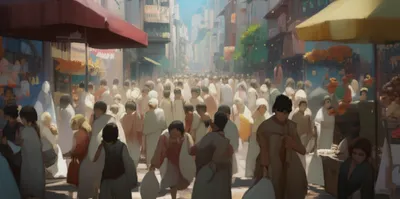
noun🔗ShareFestlandchinesenA Mainlander."My cousin, a locust from Beijing, is visiting us for the summer. "Mein Cousin, ein Festlandchinese aus Peking, besucht uns im Sommer.personculturenationChat with AIVocabulary GamePractice Reading
verb🔗ShareIn Scharen auftretenTo come in a swarm."The tourists locusted to the beach as soon as the sun came out. "Die Touristen traten in Scharen zum Strand auf, sobald die Sonne herauskam.insectanimaldisasterenvironmentChat with AIVocabulary GamePractice Reading