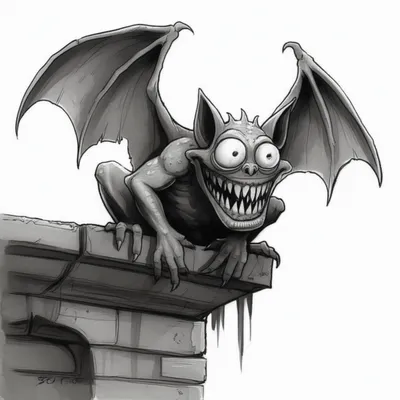
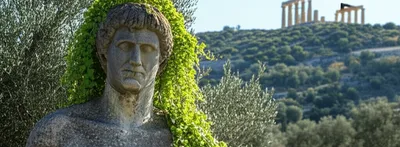
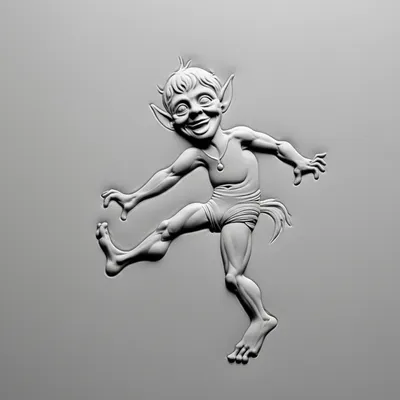
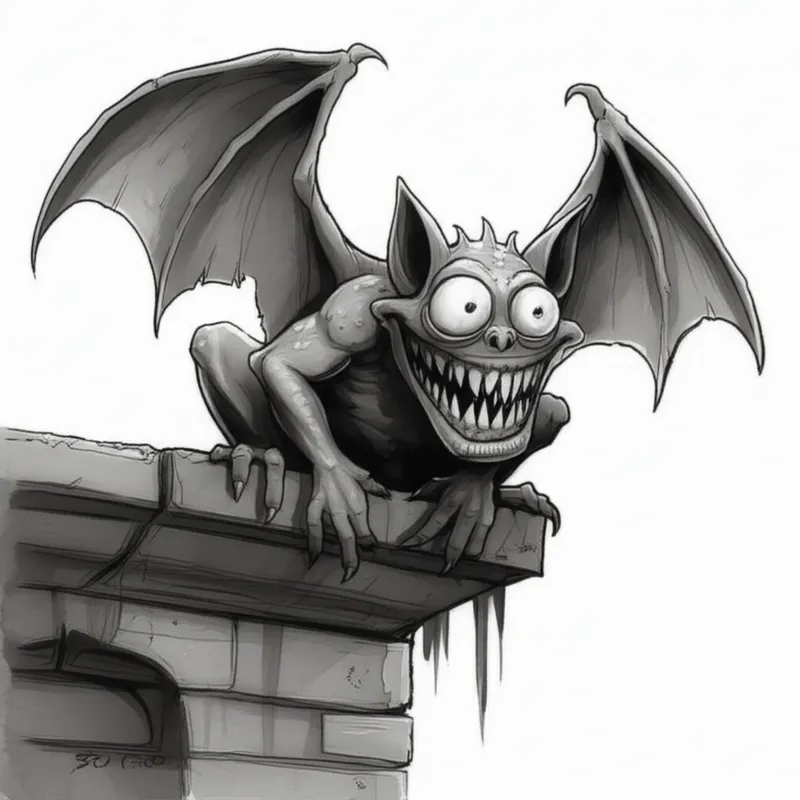
noun 다운로드 🔗공유 괴물 형상, 기괴한 조각상 A grotesque representation of a figure; a gargoyle. Examples : "The old building was decorated with an antic: a stone gargoyle with a comically twisted face. " 오래된 건물은 괴물 형상으로 장식되어 있었다: 우스꽝스럽게 뒤틀린 얼굴을 가진 돌로 된 가고일. architecture art figure appearance AI와 채팅어휘 게임독해 연습
noun 다운로드 🔗공유 캐리커처 A caricature. Examples : "The politician's speech was such an antic of sincerity that no one believed a word he said. " 그 정치인의 연설은 진정성을 풍자한 것이어서 아무도 그가 한 말을 믿지 않았다. art style appearance character entertainment AI와 채팅어휘 게임독해 연습
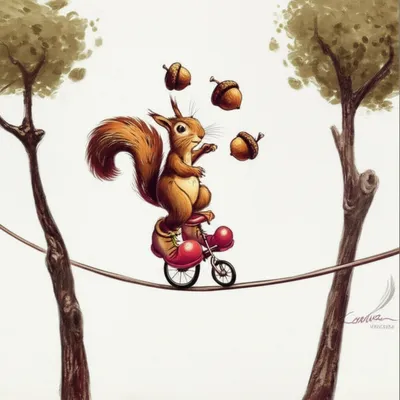
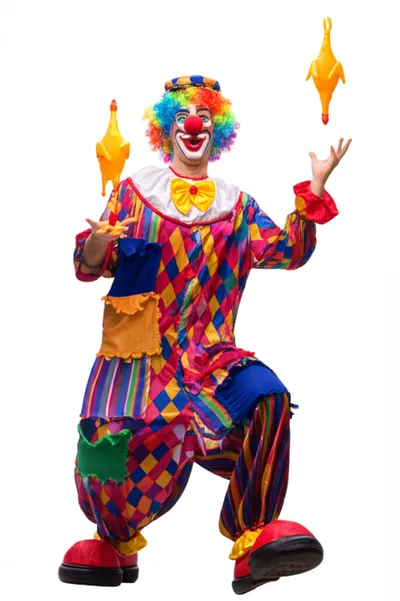
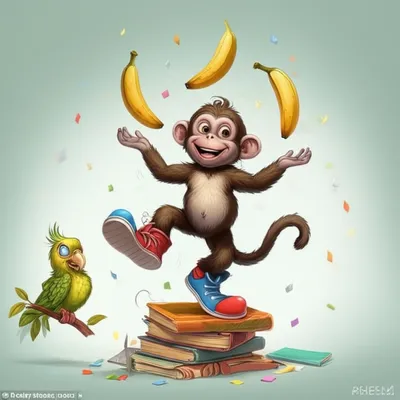
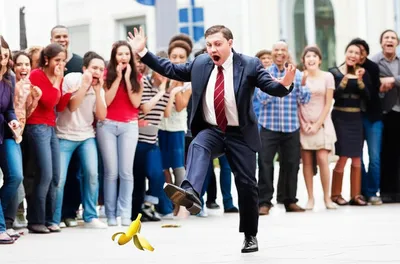
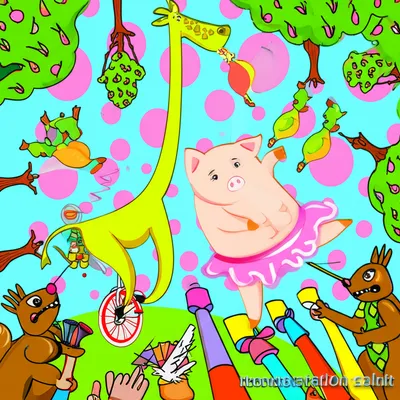
noun 다운로드 🔗공유 익살, 우스꽝스러운 행동 (often in plural) A ludicrous gesture or act; ridiculous behaviour; caper. Examples : "During the class presentation, Mark's antics with the rubber chicken made everyone laugh, even though the teacher frowned. " 수업 발표 중에, 마크가 고무 닭으로 한 익살스러운 행동은 선생님이 눈살을 찌푸렸음에도 불구하고 모두를 웃게 만들었다. entertainment action AI와 채팅어휘 게임독해 연습
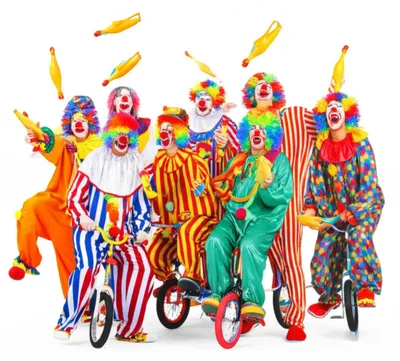
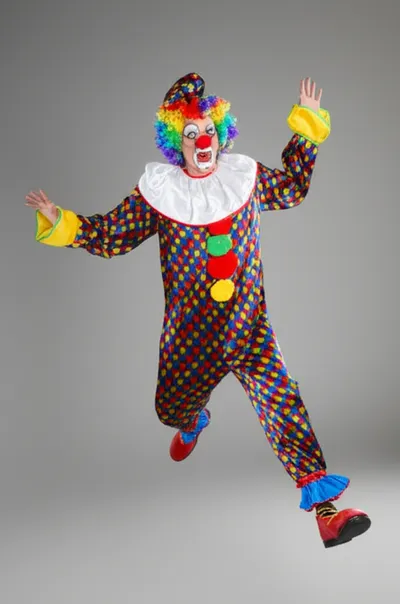
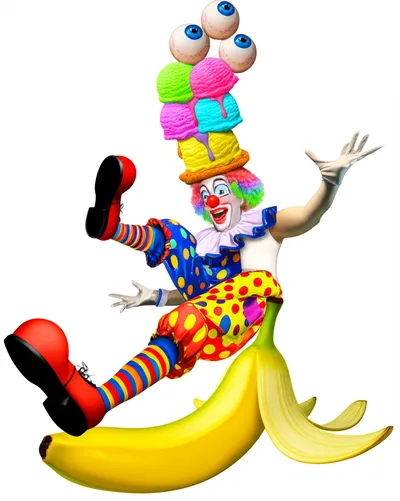
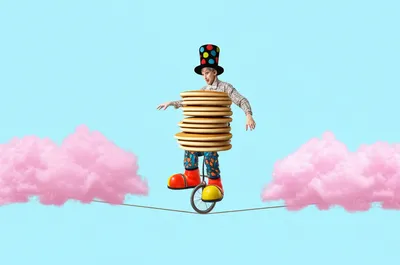
noun 다운로드 🔗공유 광대, 익살꾼 A grotesque performer or clown, buffoon. Examples : "The birthday party entertainer was a real antic, making silly faces and tripping over his own feet on purpose to make the children laugh. " 생일 파티 연예인은 진짜 익살꾼이었는데, 아이들을 웃게 하려고 우스꽝스러운 표정을 짓고 일부러 자기 발에 걸려 넘어졌다. entertainment person style character AI와 채팅어휘 게임독해 연습
verb 다운로드 🔗공유 우스꽝스러운 짓을 하다, 익살을 떨다 To perform antics, caper. Examples : "The children began to antic in the park, running and laughing after being cooped up inside all day. " 아이들은 하루 종일 안에 갇혀 있다가 공원에서 우스꽝스러운 짓을 하며 뛰고 웃기 시작했다. entertainment action AI와 채팅어휘 게임독해 연습
verb 다운로드 🔗공유 우스꽝스럽게 만들다, 조롱하다 To make a fool of, to cause to look ridiculous. Examples : "The comedian anticd the audience with his silly jokes, making them laugh at his exaggerated facial expressions. " 코미디언은 어리석은 농담으로 관객을 조롱하며 과장된 표정으로 웃게 만들었다. entertainment action character AI와 채팅어휘 게임독해 연습
verb 다운로드 🔗공유 우스꽝스러운 짓을 하다, 익살을 떨다 To perform (an action) as an antic; to mimic ridiculously. Examples : "The little boy started to antic his teacher, exaggerating her gestures and voice to make his friends laugh. " 어린 소년은 친구들을 웃게 하려고 선생님의 제스처와 목소리를 과장하며 우스꽝스러운 짓을 하기 시작했다. entertainment action style AI와 채팅어휘 게임독해 연습
adjective 다운로드 🔗공유 익살스러운, 우스운, 터무니없는 Playful, funny, absurd Examples : "The little boy's antics were quite antic, making everyone laugh. " 어린 소년의 익살스러운 행동은 꽤 우스워서 모두를 웃게 만들었다. entertainment character style action AI와 채팅어휘 게임독해 연습
adjective 다운로드 🔗공유 우스꽝스러운, 기괴한 Grotesque, incongruous. Examples : "The clown's antic makeup, with its exaggeratedly large red nose and mismatched eyes, startled the children. " 과장된 큰 빨간 코와 어울리지 않는 눈을 가진 광대의 우스꽝스러운 화장은 아이들을 깜짝 놀라게 했다. character style appearance art entertainment AI와 채팅어휘 게임독해 연습
adjective 다운로드 🔗공유 그로테스크한, 기괴한 Grotesque, bizarre Examples : "The clown's antic makeup, with its oversized red nose and wildly painted eyebrows, made some of the children cry. " 광대의 기괴한 화장은, 커다란 빨간 코와 기괴하게 칠해진 눈썹 때문에 몇몇 아이들을 울게 만들었다. appearance style character AI와 채팅어휘 게임독해 연습
adjective 다운로드 🔗공유 고대의, 고대풍의 Having existed in ancient times, descended from antiquity; used especially in reference to Greece and Rome. Examples : "The professor lectured about the antic pottery found in the ruins of the old Roman city. " 교수는 오래된 로마 도시의 폐허에서 발견된 고대 도기에 대해 강의했다. history archaeology age AI와 채팅어휘 게임독해 연습
adjective 다운로드 🔗공유 구식의, 낡은, 시대에 뒤떨어진 Belonging to former times, not modern, out of date, old-fashioned. Examples : "My grandmother's antic ideas about dating are very different from how young people meet today. " 할머니의 데이트에 대한 구식 생각은 오늘날 젊은이들이 만나는 방식과 매우 다릅니다. time history style age AI와 채팅어휘 게임독해 연습
adjective 다운로드 🔗공유 고딕체 Designating a style of type. Examples : "The old book used an antic typeface that was difficult to read due to its ornate and unusual style. " 오래된 책은 장식적이고 특이한 스타일 때문에 읽기 어려운 고딕체 서체를 사용했다. type style language writing AI와 채팅어휘 게임독해 연습
adjective 다운로드 🔗공유 금박 없이 양각된 Embossed without gilt. Examples : "The antique book had an antic cover, embossed with intricate patterns but without any gold leaf. " 그 골동품 책은 복잡한 패턴으로 양각되었지만 금박이 없는, 금박 없이 양각된 표지를 가지고 있었다. art style appearance AI와 채팅어휘 게임독해 연습
noun 다운로드 🔗공유 익살, 몸짓 A pose, often exaggerated, in anticipation of an action; for example, a brief squat before jumping Examples : "The toddler went into a playful antic, crouching low to the ground with his hands outstretched, just before he pounced on the family dog. " 아기는 장난스러운 몸짓을 하며 손을 뻗은 채 땅에 낮게 웅크렸고, 가족 강아지에게 달려들기 직전이었다. action body entertainment sport style appearance AI와 채팅어휘 게임독해 연습