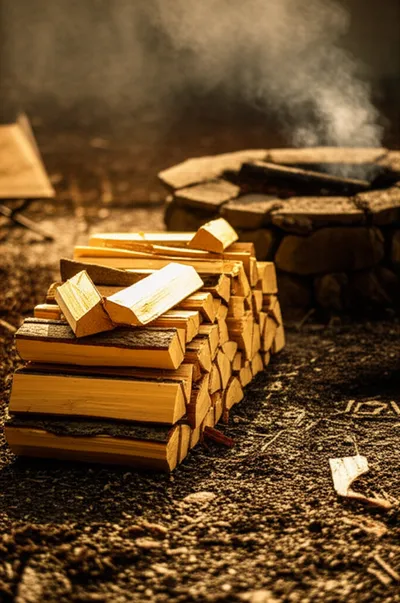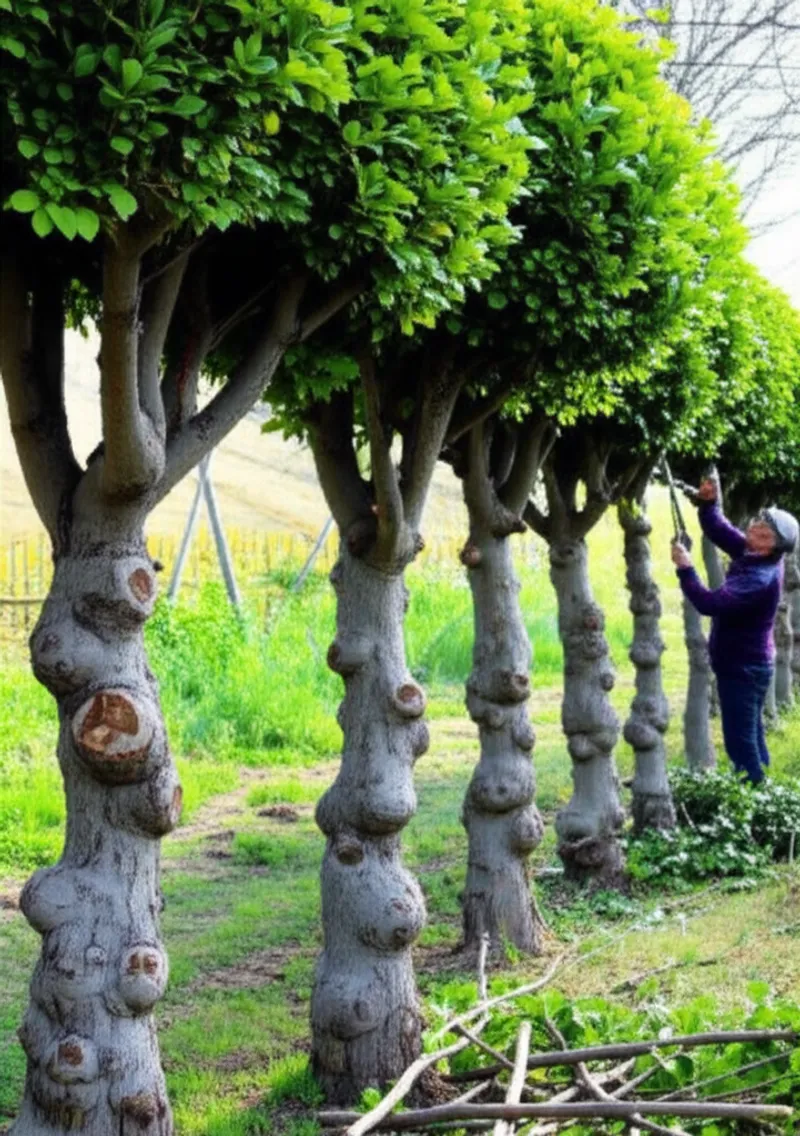

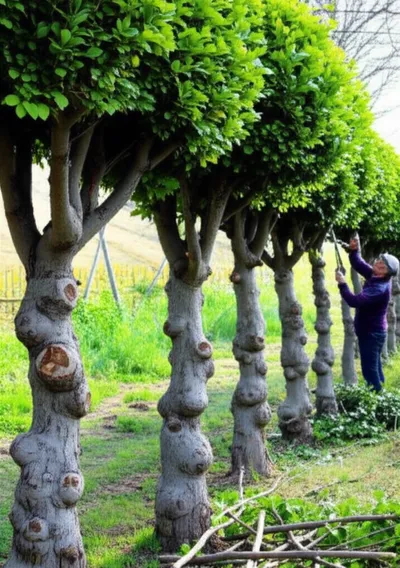
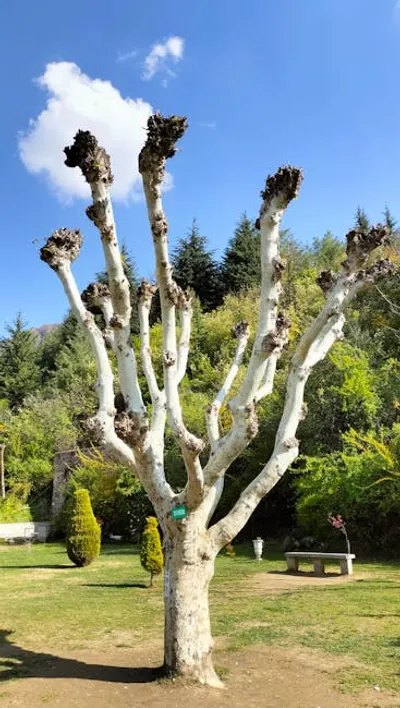

noun🔗ShareKopfbaum, geschnittener BaumA pruned tree; the wood of such trees."The farmer collected the pollards from the willow trees to use as firewood. "Der Bauer sammelte die Kopfweiden von den Weiden, um sie als Brennholz zu verwenden.natureplantagricultureenvironmentChat with AIVocabulary GamePractice Reading
noun🔗ShareHirsch ohne GeweihA buck deer that has shed its antlers.""In late winter, the field was full of pollards, their heads smooth and antlerless after shedding their racks." "Im späten Winter war das Feld voller Hirsche ohne Geweih, ihre Köpfe glatt und geweihlos, nachdem sie ihr Geweih abgeworfen hatten.animalbodynatureorganismChat with AIVocabulary GamePractice Reading
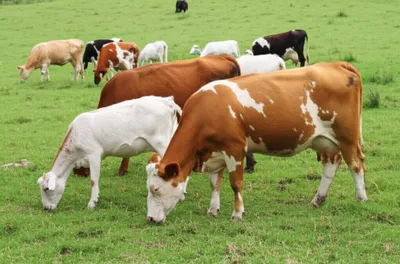
noun🔗ShareHornlose TiereA hornless variety of domestic animal, as cattle or goats."The farmer preferred to raise pollards because they were less likely to injure each other in the crowded barn. "Der Bauer zog es vor, hornlose Tiere zu züchten, da sie sich in dem überfüllten Stall seltener verletzten.animalagricultureChat with AIVocabulary GamePractice Reading
noun🔗ShareDöbelA European chub (Squalius cephalus, syn. Leuciscus cephalus), a kind of fish."The fisherman proudly displayed the pollards he had caught in the river that morning. "Der Fischer präsentierte stolz die Döbel, die er an diesem Morgen im Fluss gefangen hatte.fishanimalChat with AIVocabulary GamePractice Reading
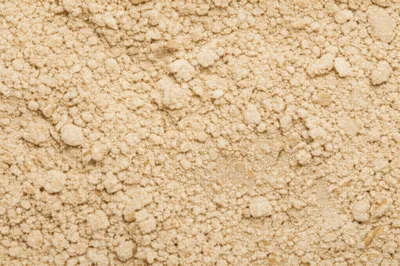
noun🔗ShareFein kleieA fine grade of bran including some flour."The farmer fed the chickens a mixture of grains, including pollards, to give them extra nutrients. "Der Bauer fütterte die Hühner mit einer Mischung aus Getreide, einschließlich Fein kleie, um ihnen zusätzliche Nährstoffe zu geben.foodagricultureChat with AIVocabulary GamePractice Reading
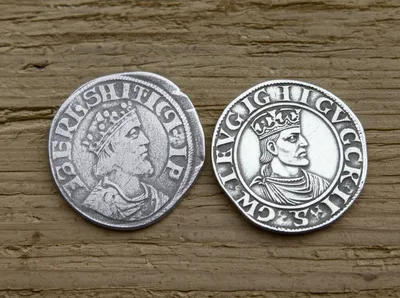
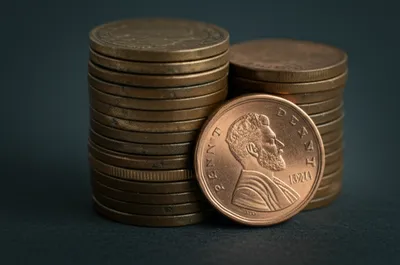
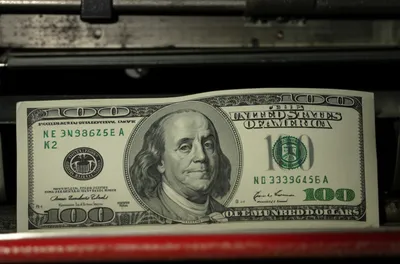
noun🔗SharePollard, eine europäische Münze aus dem 13. JahrhundertA 13th-century European coin minted as a debased counterfeit of the sterling silver penny of Edward I of England, at first legally accepted as a halfpenny and then outlawed.""Back in the 13th century, people sometimes unknowingly accepted pollards as payment, thinking they were real silver pennies, only to find out later they were debased counterfeits." "Im 13. Jahrhundert akzeptierten die Menschen manchmal unwissentlich Pollards als Zahlungsmittel, da sie dachten, es wären echte Silberpennys, nur um später festzustellen, dass es sich um minderwertige Fälschungen handelte.historyeconomyfinancevalueChat with AIVocabulary GamePractice Reading