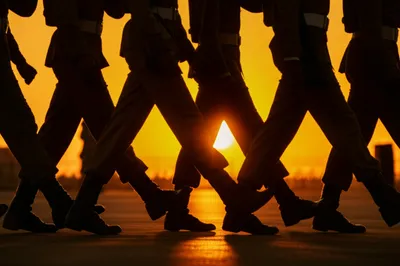
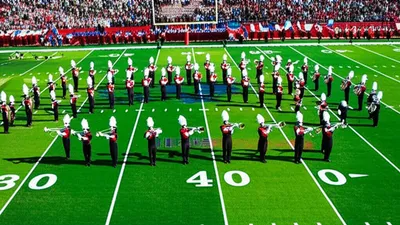
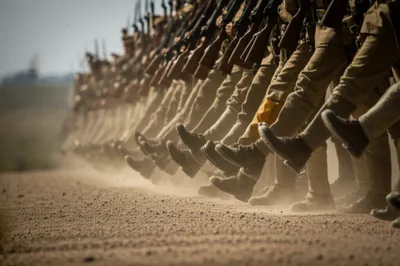
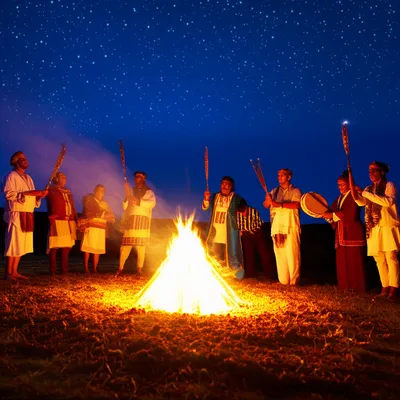
noun ダウンロード 🔗共有 行進 A formal, rhythmic way of walking, used especially by soldiers, bands and in ceremonies. Examples : "The band practices their marches every Tuesday after school. " バンドは毎週火曜日の放課後にパレードの練習をします。 military music action group event tradition AIとチャット語彙ゲーム読解練習
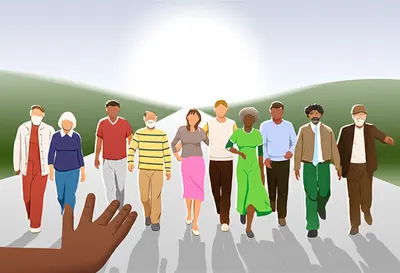
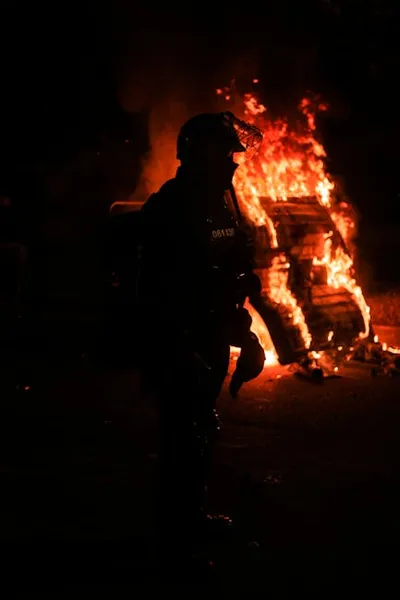
noun ダウンロード 🔗共有 デモ行進, 行進 A political rally or parade Examples : ""Every year, several marches take place in the city to protest different issues." " 毎年、さまざまな問題に抗議するために、市内でいくつかのデモ行進が行われます。 politics government event action society group AIとチャット語彙ゲーム読解練習
noun ダウンロード 🔗共有 行進曲 Any song in the genre of music written for marching (see Wikipedia's article on this type of music) Examples : "The school band played lively marches during the parade. " 学校のバンドはパレード中に活気のある行進曲を演奏しました。 music military AIとチャット語彙ゲーム読解練習
noun ダウンロード 🔗共有 行進、進軍 Steady forward movement or progression. Examples : "the march of time" 時の進軍。 military action AIとチャット語彙ゲーム読解練習
noun ダウンロード 🔗共有 行進 (euchre) The feat of taking all the tricks of a hand. Examples : ""After a lucky deal and some aggressive play, Lisa declared confidently that she'd get marches and win the euchre game outright." " 幸運な取引と積極的なプレイの後、リサは自信を持って、行進してユーカゲームをストレートに勝つと宣言しました。 game AIとチャット語彙ゲーム読解練習
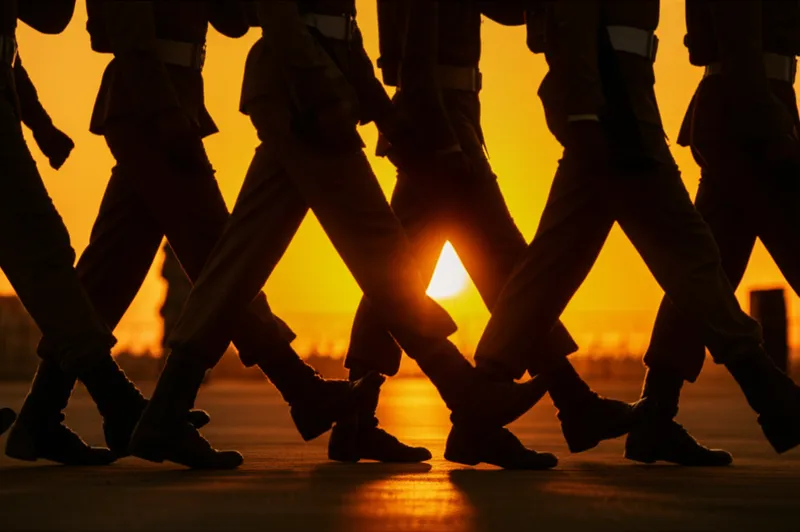
verb ダウンロード 🔗共有 行進する To walk with long, regular strides, as a soldier does. Examples : "The marching band members marched down the street in perfect, rhythmic steps. " マーチングバンドのメンバーは、完璧でリズミカルなステップで通りを行進しました。 military action war AIとチャット語彙ゲーム読解練習
verb ダウンロード 🔗共有 人をどこかに連れて行く, 行進させる To cause someone to walk somewhere. Examples : "The teacher marches the students to the library every Monday. " 先生は毎週月曜日に生徒を図書館に連れて行きます。 action military AIとチャット語彙ゲーム読解練習
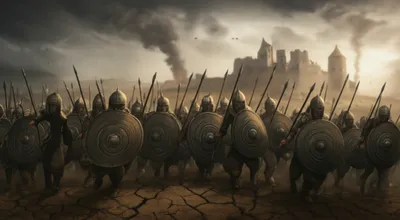
verb ダウンロード 🔗共有 戦争に行く, 軍を進める To go to war; to make military advances. Examples : "The army marches toward the enemy city. " 軍隊は敵の都市へ進軍する。 military war action AIとチャット語彙ゲーム読解練習
verb ダウンロード 🔗共有 進む, 前進する To make steady progress. Examples : "The project marches forward, despite the occasional setback. " プロジェクトは、時折の挫折にもかかわらず、前進しています。 action achievement AIとチャット語彙ゲーム読解練習
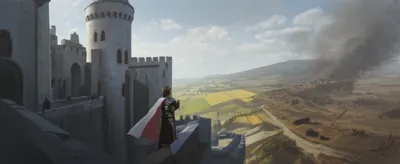
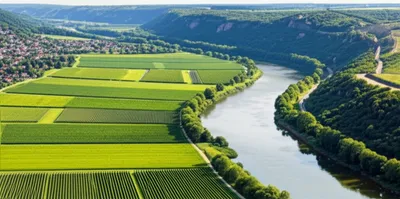
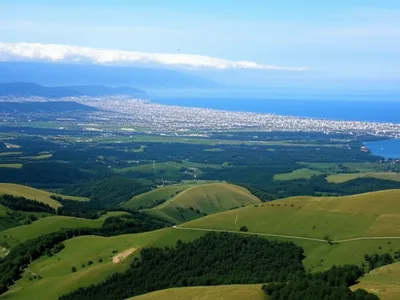
noun ダウンロード 🔗共有 辺境地, 境界地域 A border region, especially one originally set up to defend a boundary. Examples : "During the Middle Ages, castles were often built in the Welsh marches to protect England from invasion. " 中世には、イングランドを侵略から守るために、ウェールズの境界地域に城がよく建てられました。 military area history geography nation AIとチャット語彙ゲーム読解練習
noun ダウンロード 🔗共有 辺境地, 境界地 A region at a frontier governed by a marquess. Examples : "The marquess ruled the turbulent marches along the kingdom's border, constantly dealing with raids from neighboring lands. " 侯爵は、王国の国境沿いの騒がしい辺境地を治め、近隣の領土からの襲撃に絶えず対処していた。 government politics area history AIとチャット語彙ゲーム読解練習
noun ダウンロード 🔗共有 行進、辺境 Any of various territories with similar meanings or etymologies in their native languages. Examples : ""Historically, the border marches between England and Scotland were often lawless and dangerous areas." " 歴史的に、イングランドとスコットランド間の辺境は、無法地帯で危険な地域であることが多かった。 geography area politics nation AIとチャット語彙ゲーム読解練習
verb ダウンロード 🔗共有 接する, 隣接する To have common borders or frontiers Examples : ""The backyard of my house marches with the park, so we often see people walking by." " 私の家の裏庭は公園と隣接しているので、人々が通り過ぎるのをよく見かけます。 geography politics nation area world AIとチャット語彙ゲーム読解練習
noun ダウンロード 🔗共有 セロリ Smallage. Examples : "The soup needed a bit more flavor, so I added some freshly chopped marches from the garden. " スープにもう少し風味が必要だったので、庭から採れたばかりのセロリを少し加えました。 vegetable food plant AIとチャット語彙ゲーム読解練習
noun ダウンロード 🔗共有 境界線, 国境 The area along a border Examples : "Raids were common in the marches between the two kingdoms. " 二つの王国の間の境界線では、襲撃が頻繁に行われていた。 area geography politics AIとチャット語彙ゲーム読解練習