
noun🔗ShareLispeln, ZischenThe habit or an act of lisping."He used to have a terrible lisp before going to a speech therapist."Er hatte früher ein schreckliches Lispeln, bevor er zu einem Sprachtherapeuten ging.languagephoneticsmedicinecommunicationChat with AIVocabulary GamePractice Reading
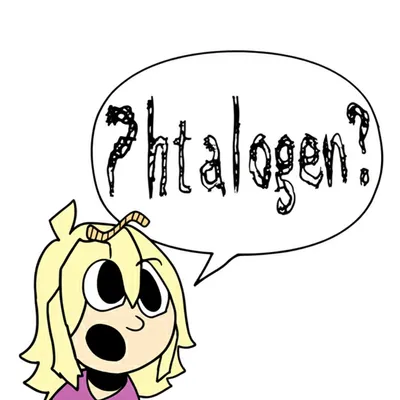
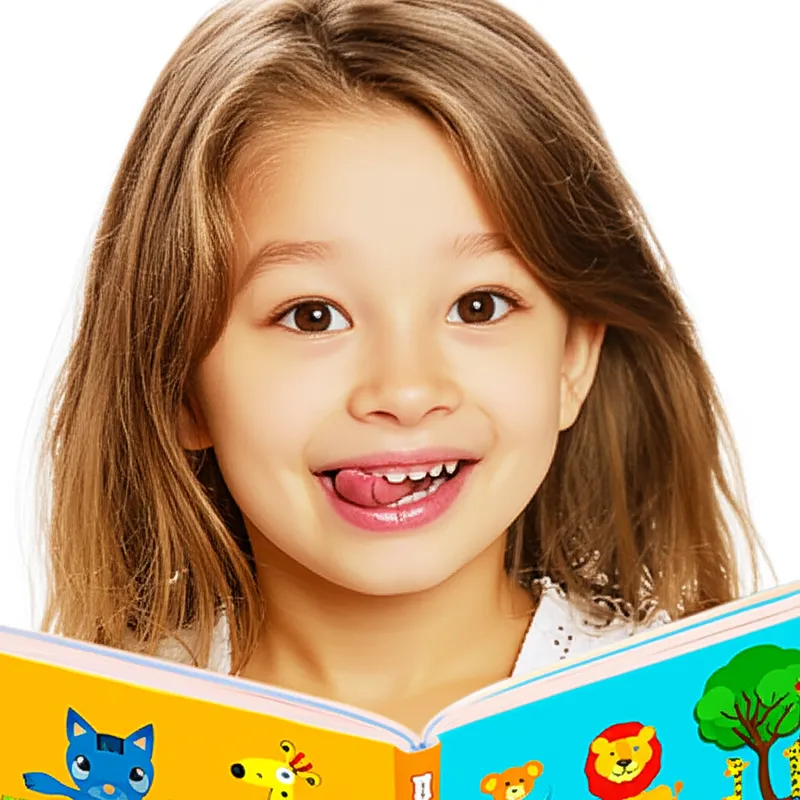
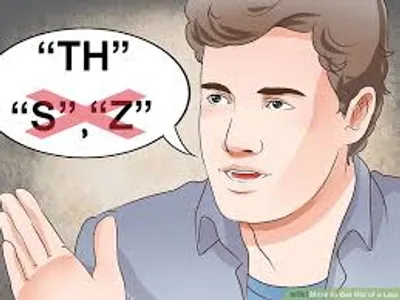
verb🔗ShareLispelnTo pronounce the consonant ‘s’ imperfectly; to give ‘s’ and ‘z’ the sounds of ‘th’ (/θ/). This is a speech impediment common among children."My little brother still lisps when he says "sister." "Mein kleiner Bruder lispelt immer noch, wenn er „Schwester“ sagt.phoneticslanguagemedicinecommunicationlinguisticsChat with AIVocabulary GamePractice Reading
verb🔗ShareLispeln, stotternTo speak with imperfect articulation; to mispronounce, such as a child learning to talk."The little girl started to lisp when she tried to say her "s" sounds, making them sound like "th." "Das kleine Mädchen begann zu lispeln, als sie versuchte, ihre „s“-Laute auszusprechen, wodurch sie wie „th“ klangen.languagephoneticscommunicationChat with AIVocabulary GamePractice Reading
verb🔗ShareLispeln, stotternTo speak hesitatingly and with a low voice, as if afraid."After being caught cheating on the test, the student could only lisp an apology to the teacher. "Nachdem er beim Schummeln im Test erwischt wurde, konnte der Schüler dem Lehrer nur ein Entschuldigung lispeln.languagephoneticscommunicationsoundChat with AIVocabulary GamePractice Reading
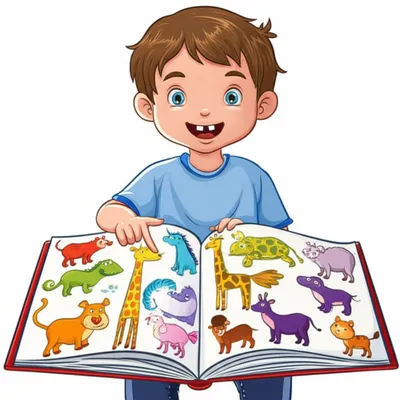
verb🔗ShareLallen, stammelnTo express by the use of simple, childlike language."The toddler, still learning to talk, would lisp his requests for "wawa" (water). "Das Kleinkind, das noch sprechen lernte, lallte seine Bitten nach "Wawa" (Wasser).languagecommunicationChat with AIVocabulary GamePractice Reading
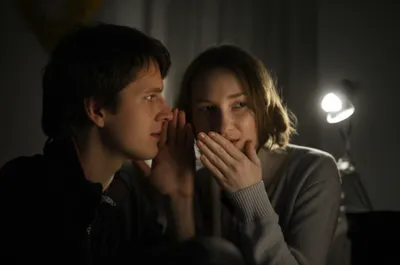
verb🔗ShareLispeln, stotternTo speak with reserve or concealment; to utter timidly or confidentially."to lisp treason"Verrat lispeln.communicationlanguagewordChat with AIVocabulary GamePractice Reading