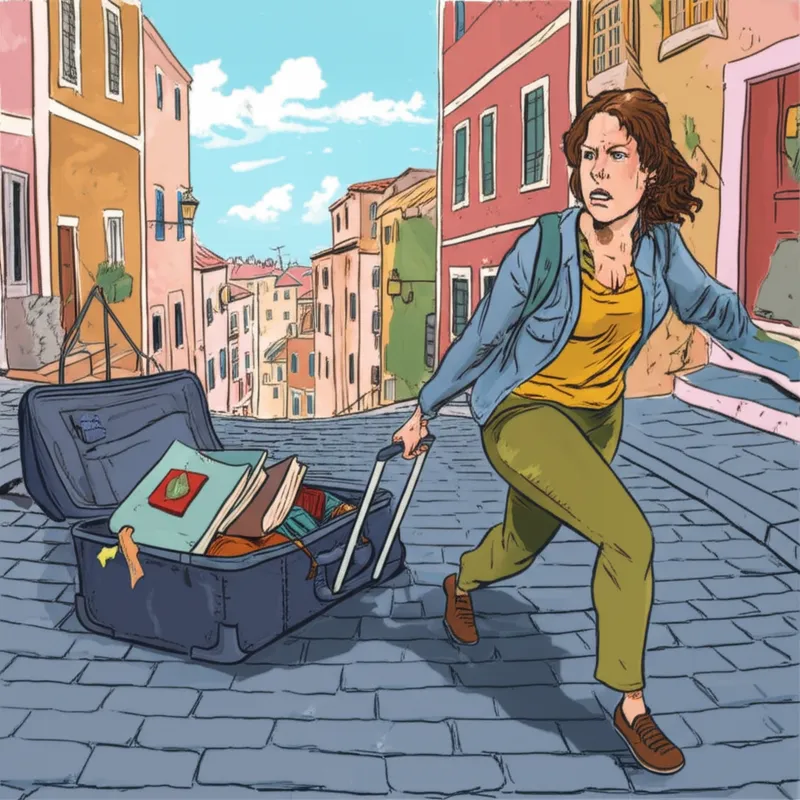
verb Télécharger 🔗Partager Tirer, traîner (sometimes figurative) To haul or drag along (especially something heavy); to carry; to pull. Examples : "Why do you always lug around so many books?" Pourquoi traînes-tu toujours autant de livres avec toi ? action work Chat avec IAJeu de vocabulairePratiquer la lecture
verb Télécharger 🔗Partager Traîner, lambiner To run at too slow a speed. Examples : "The old car was lugging up the hill, struggling to maintain its speed. " La vieille voiture montait la colline en traînant, luttant pour maintenir sa vitesse. vehicle machine Chat avec IAJeu de vocabulairePratiquer la lecture
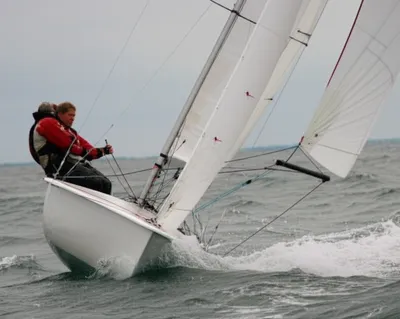
verb Télécharger 🔗Partager Porter trop de voile pour les conditions To carry an excessive amount of sail for the conditions prevailing. Examples : "The small sailboat was lugging, its mast straining under the enormous sail in the unexpectedly strong wind. " Le petit voilier portait trop de voile, son mât se tordant sous l'énorme voile dans le vent inattendu et fort. nautical sailing technical Chat avec IAJeu de vocabulairePratiquer la lecture
verb Télécharger 🔗Partager Tirer vers le rail intérieur ou extérieur To pull toward the inside rail ("lugging in") or the outside rail ("lugging out") during a race. Examples : "The jockey struggled as the horse kept lugging in toward the inside rail during the race. " Le jockey luttait alors que le cheval tirait sans cesse vers le rail intérieur pendant la course. sport race action vehicle Chat avec IAJeu de vocabulairePratiquer la lecture
noun Télécharger 🔗Partager Le transport pénible, le fait de traîner The process by which something is lugged from one place to another; a laborious carrying or dragging. Examples : "The movers were exhausted after a morning of lugging heavy furniture up the stairs. " Les déménageurs étaient épuisés après une matinée à transporter de lourds meubles dans les escaliers. action process Chat avec IAJeu de vocabulairePratiquer la lecture