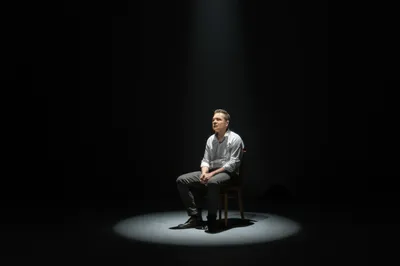








verb🔗SharePoser, prendre la poseTo place in an attitude or fixed position, for the sake of effect."To pose a model for a picture."Faire poser un modèle pour une photo.appearancestyleartactionpositionChat with AIVocabulary GamePractice Reading
verb🔗SharePoser, demanderTo ask; to set (a test, quiz, riddle, etc.)."The teacher posed a challenging question to the class about the American Civil War. "Le professeur a posé une question difficile à la classe sur la guerre de Sécession américaine.communicationlanguageeducationChat with AIVocabulary GamePractice Reading
verb🔗ShareConstituer, représenterTo constitute (a danger, a threat, a risk, etc.)."The heavy rain posed a threat to the outdoor concert. "La forte pluie constituait une menace pour le concert en plein air.situationpossibilityChat with AIVocabulary GamePractice Reading
verb🔗ShareSe faire passer pour(in the phrase "to pose as") To falsely impersonate (another person or occupation) primarily for the purpose of accomplishing something or reaching a goal."The con artist posed as a police officer to gain access to the victim's house and steal their valuables. "L'escroc s'est fait passer pour un policier afin d'accéder à la maison de la victime et de voler ses objets de valeur.actionjobpersonpolicemilitaryChat with AIVocabulary GamePractice Reading
verb🔗SharePoser, prendre une poseTo assume or maintain a pose; to strike an attitude."The model posed for the artist, holding a still position for a long time. "Le modèle a posé pour l'artiste, en maintenant une position immobile pendant longtemps.attitudeactionstyleappearancepositionChat with AIVocabulary GamePractice Reading
verb🔗SharePoser, affecter une attitudeTo behave affectedly in order to attract interest or admiration."At the party, Sarah posed for photos, smiling brightly and arranging her hair perfectly to impress the guests. "À la fête, Sarah a posé pour les photos, souriant vivement et arrangeant parfaitement ses cheveux pour impressionner les invités.appearanceattitudeactionhumancharacterstyleChat with AIVocabulary GamePractice Reading
verb🔗ShareInterroger, questionnerTo interrogate; to question."The teacher posed a question to the class about the American Revolution. "Le professeur a posé une question à la classe sur la Révolution américaine.communicationlanguageChat with AIVocabulary GamePractice Reading
verb🔗ShareInterroger, poser des questions embarrassantes, mettre mal à l'aiseTo question with a view to puzzling; to embarrass by questioning or scrutiny; to bring to a stand."The complex math problem posed a significant challenge to the students. "Le problème de mathématiques complexe a posé un défi important aux étudiants.communicationactionattitudepointChat with AIVocabulary GamePractice Reading
verb🔗ShareInterroger, questionnerTo ask (someone) questions; to interrogate."The teacher posed several questions to the students about the book they read. "Le professeur a posé plusieurs questions aux élèves sur le livre qu'ils ont lu.communicationlanguagepolicelawChat with AIVocabulary GamePractice Reading
verb🔗ShareDéconcerter, embarrasserTo puzzle, non-plus, or embarrass with difficult questions."The complex physics problem posed a challenge for even the brightest students in the class. "Le problème de physique complexe a déconcerté même les étudiants les plus brillants de la classe.mindcommunicationlanguageChat with AIVocabulary GamePractice Reading
verb🔗ShareDéconcerter, troublerTo perplex or confuse (someone)."The complicated instructions on the homework assignment posed a problem for several students. "Les instructions compliquées sur le devoir ont déconcerté plusieurs élèves.mindChat with AIVocabulary GamePractice Reading
adjective🔗ShareFerme, déterminé, résoluFirm; determined; fixed."Despite the pressure, she remained posed in her decision to quit her job and start her own business. "Malgré la pression, elle est restée ferme dans sa décision de quitter son emploi et de créer sa propre entreprise.attitudecharacterChat with AIVocabulary GamePractice Reading