verb🔗Share転がる, 回るTo roll; revolve"The dough welts smoothly under the rolling pin as she prepares to bake bread. "彼女がパンを焼く準備をするにつれて、生地はめん棒の下でスムーズに転がります。actionwayChat with AIVocabulary GamePractice Reading
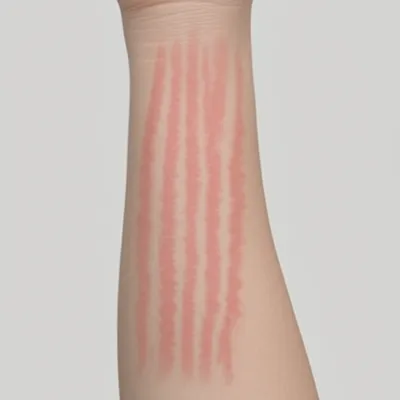
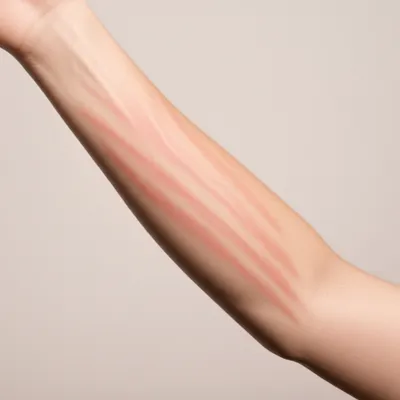
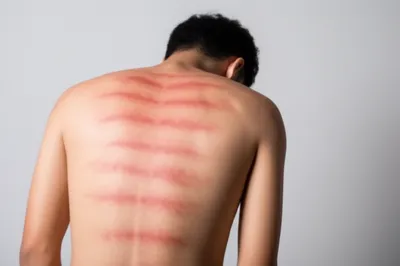
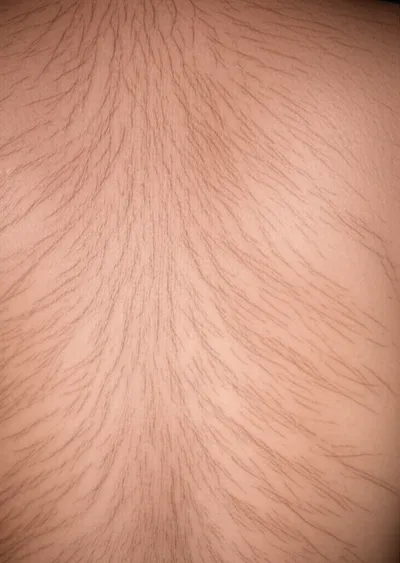
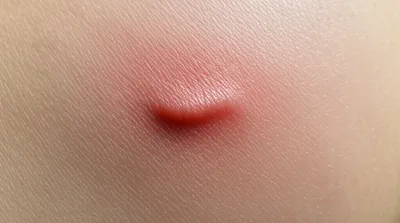
noun🔗Share膨れ、みみず腫れA ridge or lump on the skin, as caused by a blow; a wheal or weal."The child's legs were covered in red welts after playing in the tall grass. "子供の足は、背の高い草の中で遊んだ後、赤いみみず腫れで覆われていた。medicinebodyappearancephysiologysensationChat with AIVocabulary GamePractice Reading
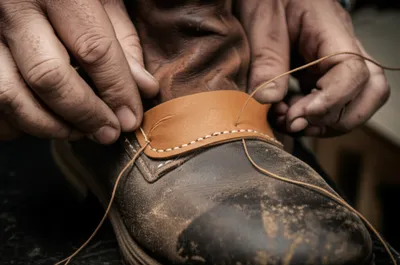
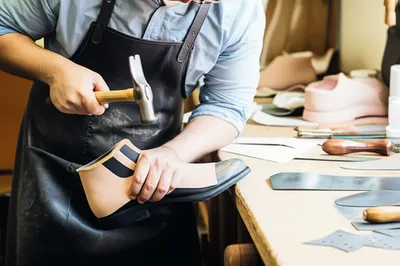
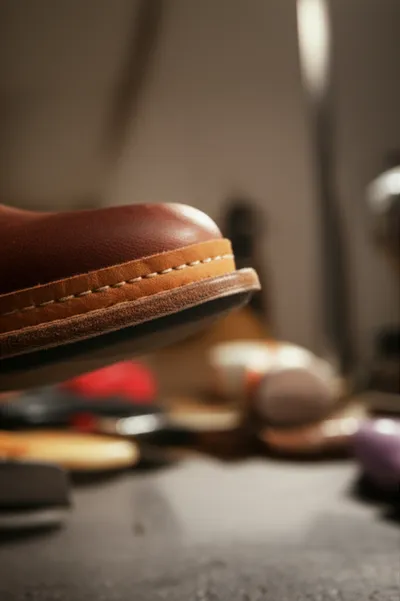
noun🔗Shareウェルト(shoemaking) A strip of leather set into the seam between the outsole of a shoe and the upper, through which these parts are joined by stitching or stapling."The shoemaker carefully stitched the welts to the upper and outsole, ensuring a durable and waterproof bond. "靴職人は、耐久性と防水性のある結合を確実にするために、ウェルトをアッパーとアウトソールに丁寧に縫い付けました。materialwearpartstructureitemChat with AIVocabulary GamePractice Reading
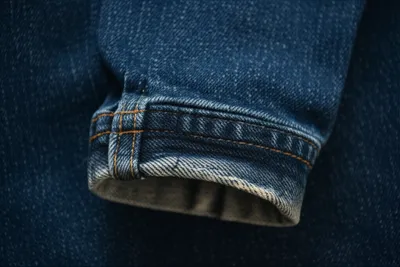
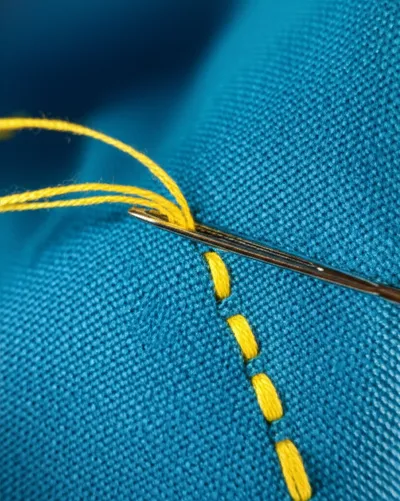
noun🔗Shareウェルト, 縁飾りA strip of material or covered cord applied to a seam or garment edge to strengthen or cover it."The tailor added thick welts around the edges of the backpack to make it more durable. "仕立て屋は、バックパックをより丈夫にするために、端の周りに厚いウェルトを追加しました。materialwearChat with AIVocabulary GamePractice Reading
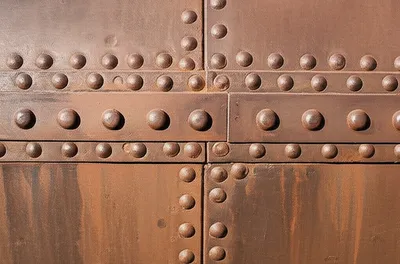
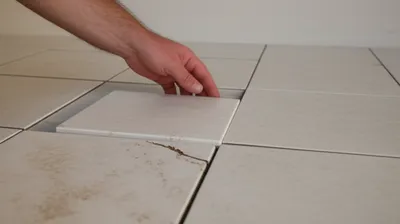
noun🔗ShareウェルトIn steam boilers and sheet-iron work, a strip riveted upon the edges of plates that form a butt joint."The steam boiler's repair involved carefully replacing the rusted welts that held the metal plates together at the butt joint. "蒸気ボイラーの修理には、突合せ継手で金属板を一緒に保持していた錆びたウェルトを慎重に交換することが含まれていました。materialtechnicalindustrybuildingstructuremachineworkChat with AIVocabulary GamePractice Reading
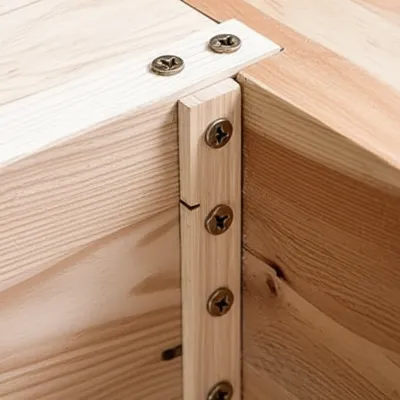
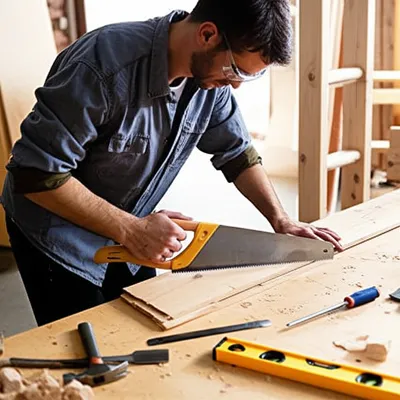
noun🔗Share当て木、縁材In carpentry, a strip of wood fastened over a flush seam or joint, or an angle, to strengthen it."The carpenter added welts to the corners of the wooden box to make it sturdier. "大工は木製の箱の角に当て木を追加して、より頑丈にしました。materialstructurebuildingChat with AIVocabulary GamePractice Reading
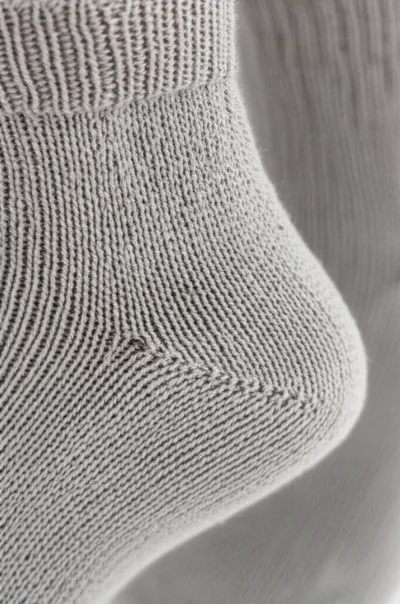
noun🔗Shareかかと部分In machine-made stockings, a strip, or flap, of which the heel is formed.""The machine-made stockings had strong welts at the heels to prevent them from tearing easily." "機械製のストッキングは、簡単に破れないように、かかと部分に丈夫な部分がありました。wearmachinepartitemChat with AIVocabulary GamePractice Reading
noun🔗Share縁, ふちA narrow border, as of an ordinary, but not extending around the ends."The old rug had worn welts along the edges of the sides, but the ends were still intact. "古いラグは側面の縁が擦り切れていたが、端はまだ無事だった。appearancestyleChat with AIVocabulary GamePractice Reading
noun🔗Share隆起, 膨らみA feature resembling a welt."The old leather chair had welts running along the seams, adding to its worn and comfortable look. "古い革張りの椅子には、縫い目に沿って隆起があり、使い古された快適な外観を添えていた。appearancebodymarkChat with AIVocabulary GamePractice Reading
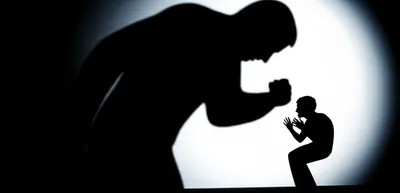
verb🔗Shareむち打つ, 殴るTo cause to have welts, to beat."The angry farmer threatened to welt the disobedient cow with his thick leather belt. "怒った農夫は、従順でない牛を太い革のベルトで殴ると脅しました。bodyactionmarkChat with AIVocabulary GamePractice Reading
verb🔗Shareウェルトを取り付けるTo install welt (a welt or welts) to reinforce."The craftsman welts the edges of the leather bag to make it more durable. "職人は革のバッグの端にウェルトを取り付けて、より耐久性を持たせます。technicalindustryChat with AIVocabulary GamePractice Reading
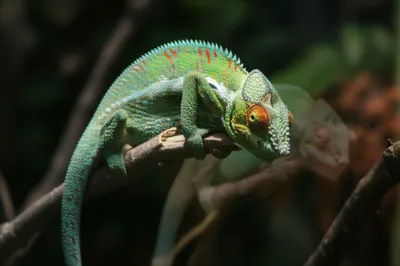
verb🔗Shareしぼむ, 萎れるTo decay."The old photograph showed how the once vibrant flowers had welted, losing their color and shape over time. "古い写真は、かつて活気に満ちていた花がどのように萎れて、時間の経過とともに色と形を失ったかを示していました。biologyplantnatureenvironmentconditionChat with AIVocabulary GamePractice Reading
verb🔗Shareすじ状になるTo become stringy."The cooked spaghetti had welted, making it difficult to eat. "ゆでたスパゲッティがすじ状になり、食べにくくなった。foodChat with AIVocabulary GamePractice Reading