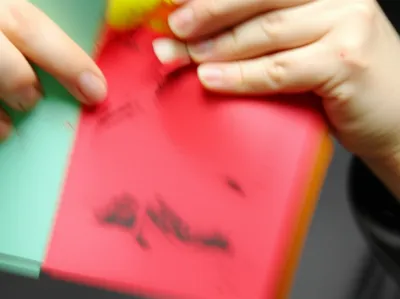

verb🔗ShareРазорвать, изорватьTo destroy an article of clothing etc. by shredding."The angry toddler tattered the new drawing book, ripping pages with his tiny hands. "Рассерженный малыш изорвал новую книгу для рисования, разрывая страницы своими крошечными ручками.appearancewearChat with AIVocabulary GamePractice Reading
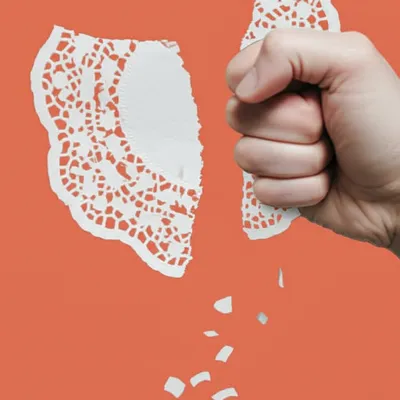
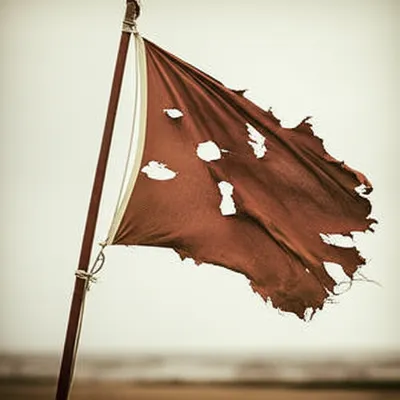
verb🔗ShareРазорваться в клочьяTo fall into tatters."The old, worn-out flag, once proudly displayed, had tattered in the strong winds. "Старый, изношенный флаг, когда-то гордо развевавшийся, разорвался в клочья на сильном ветру.appearanceconditionChat with AIVocabulary GamePractice Reading
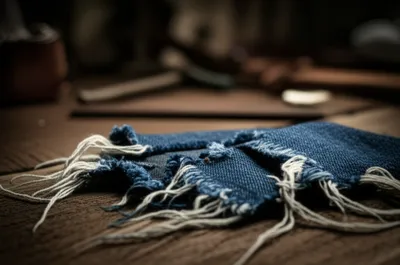
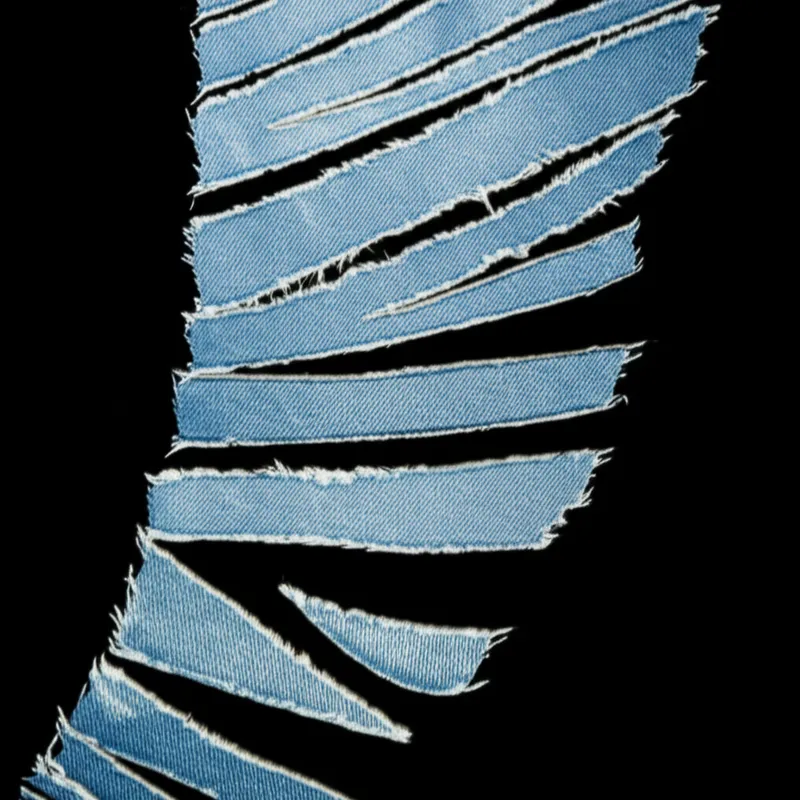
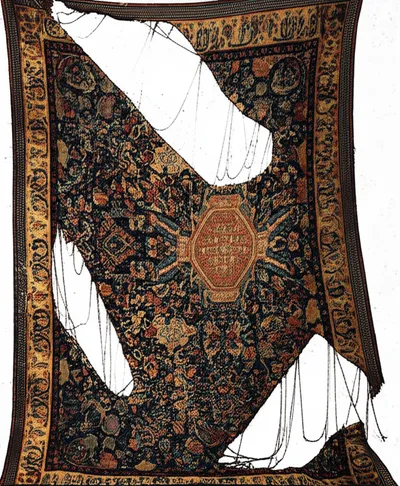
adjective🔗ShareИзношенный, изодранный, рваныйRent in tatters, torn, hanging in rags; ragged"The old, tattered book lay on the dusty shelf, its pages falling out. "Старая, изодранная книга лежала на пыльной полке, из нее выпадали страницы.appearanceconditionwearChat with AIVocabulary GamePractice Reading
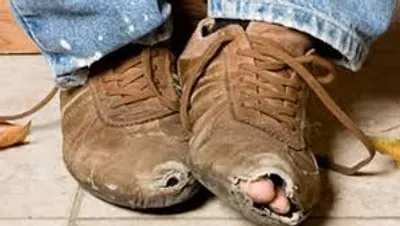
adjective🔗ShareРваный, ветхийDressed in tatters or rags; ragged"The old man, tattered and worn, sat on the park bench, holding a worn-out newspaper. "Старик, рваный и изношенный, сидел на скамейке в парке, держа в руках ветхую газету.appearanceconditionChat with AIVocabulary GamePractice Reading
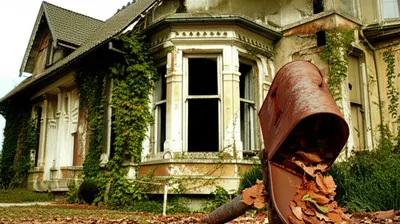
adjective🔗ShareИзношенный, ветхий, рваныйDilapidated; showing gaps or breaks; jagged; broken"The old flag hanging outside the school was faded and tattered, with pieces torn from its edges. "Старый флаг, висевший снаружи школы, выцвел и был изношен, с оторванными кусками по краям.appearanceconditionChat with AIVocabulary GamePractice Reading