


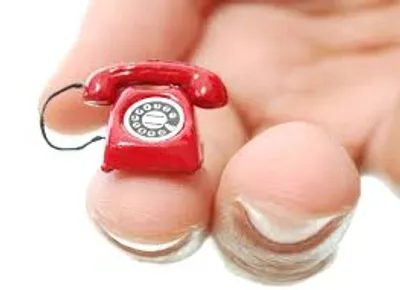




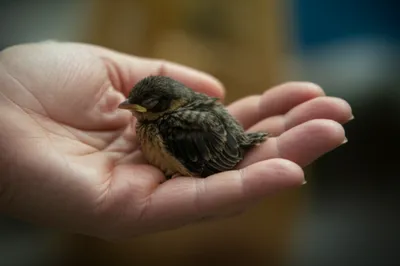
noun🔗ShareCourt moment, petite distanceA short time or short distance."The wee bit of time before lunch was enough to finish my homework. "Le court moment avant le déjeuner a suffi pour finir mes devoirs.timeamountplaceChat with AIVocabulary GamePractice Reading
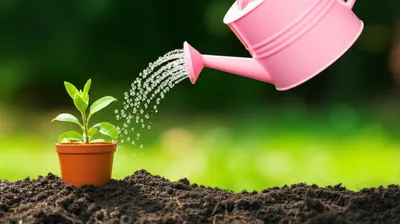
adjective🔗SharePetit, minusculeSmall, little."You looked a little cold, so I lit a wee fire."Tu avais l'air un peu froid, alors j'ai allumé un petit feu.amountqualityChat with AIVocabulary GamePractice Reading
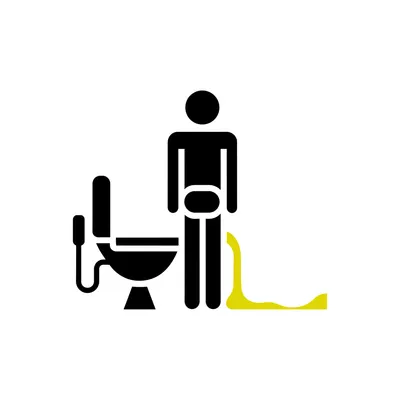
noun🔗ShareUrine, pipiUrine."The dog had an accident and left a puddle of wee on the rug. "Le chien a eu un accident et a laissé une flaque d'urine sur le tapis.bodyphysiologyChat with AIVocabulary GamePractice Reading
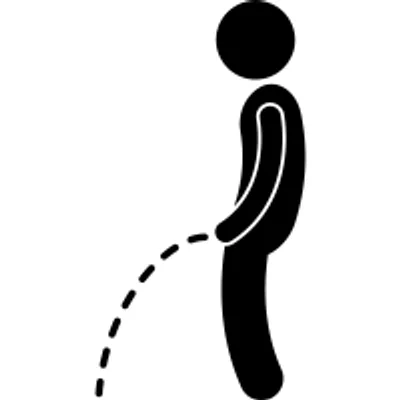
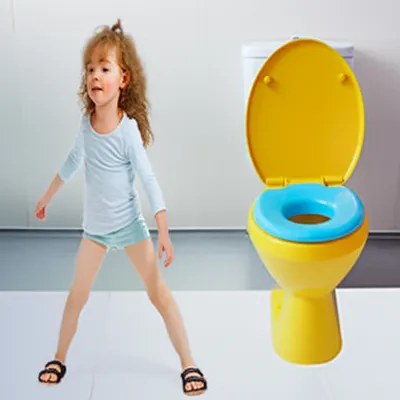
noun🔗ShareUne pisse, urinerAn act of urination."I need to have a wee"J'ai besoin de faire pipi.bodyphysiologyfunctionChat with AIVocabulary GamePractice Reading
verb🔗ShareUriner, pisserTo urinate."The dog wee'd on the front porch again. "Le chien a encore pissé sur le porche.physiologybodysexhumanmedicineanimalChat with AIVocabulary GamePractice Reading
pronoun🔗ShareNous(personal) The speakers/writers, or the speaker/writer and at least one other person (not the person being addressed). (This is the exclusive we.)"We are going to the park after school today. "Nous allons au parc après l'école aujourd'hui.grammarlanguagewordlinguisticsChat with AIVocabulary GamePractice Reading
pronoun🔗ShareNous(personal) The speaker(s)/writer(s) and the person(s) being addressed. (This is the inclusive we.)""If wee work together on this project, I'm sure wee can finish it on time." "Si nous travaillons ensemble sur ce projet, je suis sûr que nous pourrons le terminer à temps.grammarlanguagelinguisticswordpersonChat with AIVocabulary GamePractice Reading
pronoun🔗ShareJe, moi(personal) The speaker/writer alone. (This use of we is the editorial we, used by writers and others, including royalty—the royal we—as a less personal substitute for I. The reflexive case of this sense of we is ourself.)"After careful consideration, wee believe this new policy will benefit all employees. "Après mûre réflexion, je crois que cette nouvelle politique profitera à tous les employés.languagegrammarwritingChat with AIVocabulary GamePractice Reading
pronoun🔗ShareNous(personal) The plural form of you, including everyone being addressed."How are we all tonight?"Comment allons-nous tous ce soir ?languagegrammarwordlinguisticsChat with AIVocabulary GamePractice Reading
pronoun🔗ShareToi(personal, often considered patronising) A second- or third-person pronoun for a person in the speaker's care."How are we feeling this morning?"Comment te sens-tu ce matin ?languagelinguisticsgrammarwordpersonChat with AIVocabulary GamePractice Reading