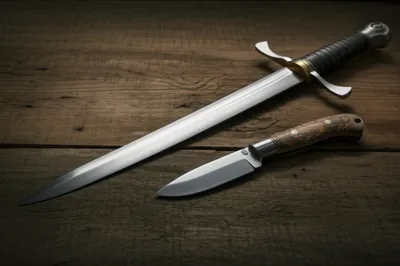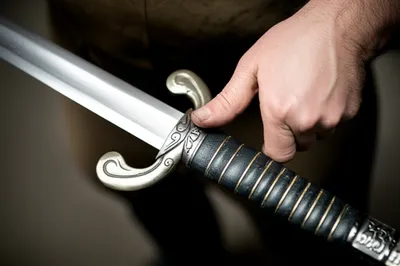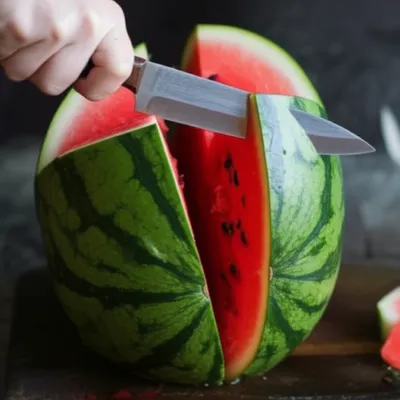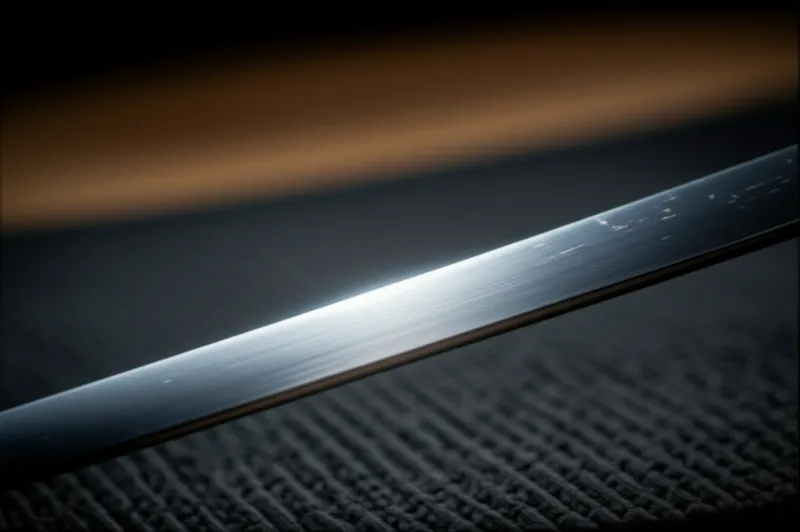

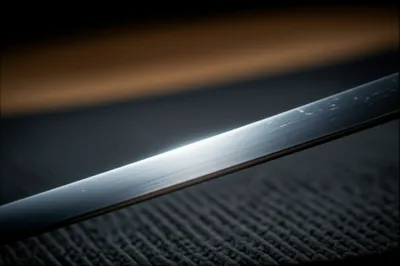
noun🔗Share칼날, 날The sharp cutting edge of a knife, chisel, or other tool, a razor blade/sword."The chef sharpened the blades of his knives before starting to prepare dinner. "요리사는 저녁 식사를 준비하기 전에 칼날을 갈았다.weaponutensilChat with AIVocabulary GamePractice Reading
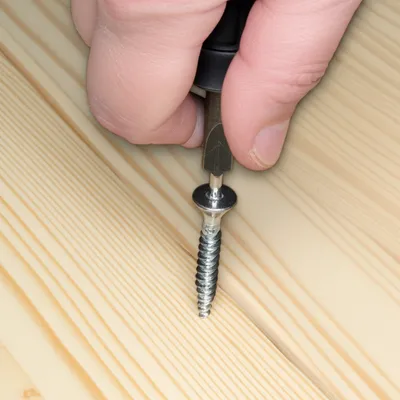
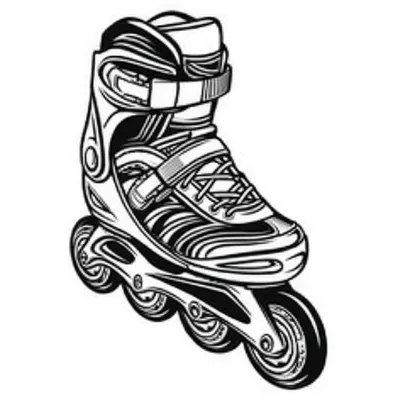
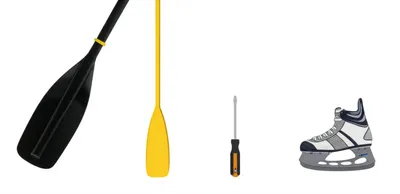
noun🔗Share날The flat functional end of a propeller, oar, hockey stick, screwdriver, skate, etc."The hockey player sharpened the blades of his skates before the big game. "하키 선수는 중요한 경기에 앞서 스케이트 날을 날카롭게 갈았다.partutensilsporttechnicalmachineChat with AIVocabulary GamePractice Reading
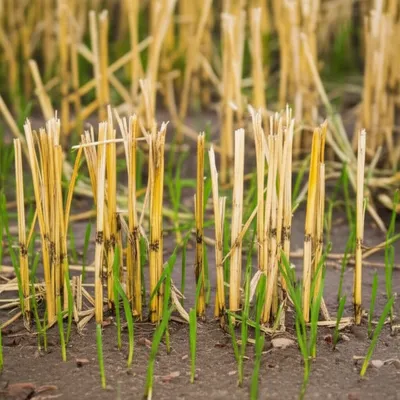
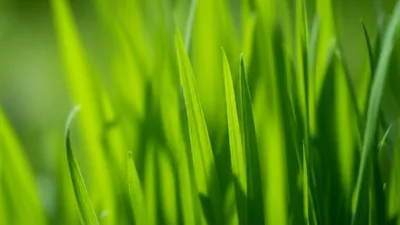
noun🔗Share잎, 잎사귀The narrow leaf of a grass or cereal."The gardener carefully trimmed the blades of grass to create a smooth, even lawn. "정원사는 매끄럽고 균일한 잔디밭을 만들기 위해 풀잎을 조심스럽게 다듬었습니다.plantbiologynatureChat with AIVocabulary GamePractice Reading
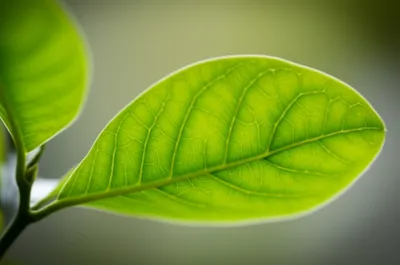
noun🔗Share잎The thin, flat part of a plant leaf, attached to a stem (petiole). The lamina."The blades of the tulip leaves were broad and smooth. "튤립 잎의 잎은 넓고 매끄러웠다.plantbiologynaturepartChat with AIVocabulary GamePractice Reading
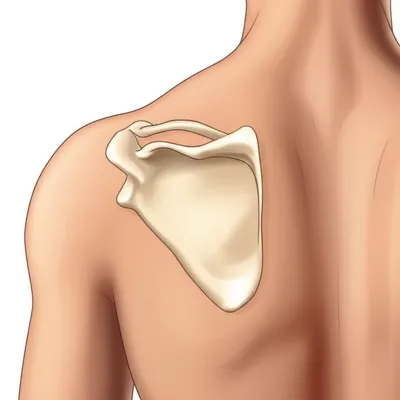
noun🔗Share견갑골A flat bone, especially the shoulder blade."The doctor examined the patient's blades carefully after the fall, checking for any fractures. "의사는 낙상 후 환자의 견갑골을 주의 깊게 검사하여 골절 여부를 확인했습니다.anatomybodyphysiologyorganpartChat with AIVocabulary GamePractice Reading
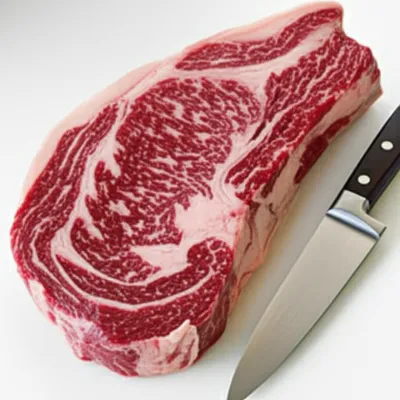
noun🔗Share어깨뼈 근처의 쇠고기 부위A cut of beef from near the shoulder blade (part of the chuck)."The butcher recommended blades for stewing because they are flavorful and tender when cooked slowly. "정육점 주인은 천천히 요리하면 풍미가 좋고 부드러워 스튜용으로 어깨뼈 근처의 쇠고기 부위를 추천했습니다.foodpartanimalChat with AIVocabulary GamePractice Reading
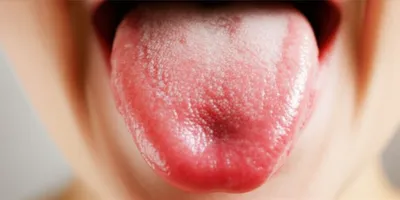
noun🔗Share혀의 날The part of the tongue just behind the tip, used to make laminal consonants."The phonetics student learned to feel the difference in tongue position, especially how the blades of their tongues touched their alveolar ridges when pronouncing "t" and "d." "음성학 학생은 혀의 위치의 차이를 느끼는 법을 배웠는데, 특히 "t"와 "d"를 발음할 때 혀의 날이 치조 능선에 어떻게 닿는지 배웠다.phoneticslinguisticslanguageanatomybodyphysiologypartChat with AIVocabulary GamePractice Reading
noun🔗Share칼날, 칼A sword or knife."The chef kept his blades sharp for preparing the vegetables. "요리사는 채소를 준비하기 위해 칼날을 날카롭게 유지했다.weaponutensilChat with AIVocabulary GamePractice Reading
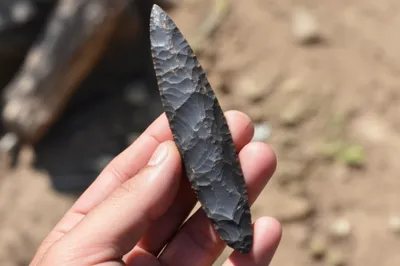
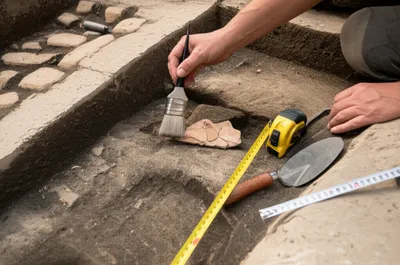
noun🔗Share칼날A piece of prepared, sharp-edged stone, often flint, at least twice as long as it is wide; a long flake of ground-edge stone or knapped vitreous stone."Archaeologists carefully excavated the site, hoping to find ancient blades used for cutting meat or scraping animal hides. "고고학자들은 고대 칼날을 찾기 위해 조심스럽게 유적지를 발굴했는데, 이는 고기를 자르거나 동물의 가죽을 긁는 데 사용되었습니다.archaeologyweaponmaterialitemChat with AIVocabulary GamePractice Reading
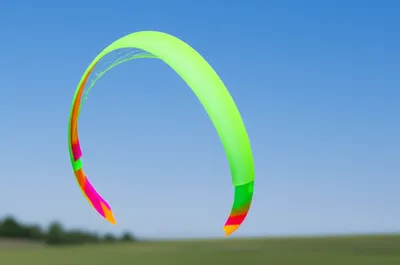
noun🔗Share블레이드 던지기(ultimate frisbee) A throw characterized by a tight parabolic trajectory due to a steep lateral attitude."During the ultimate frisbee game, Sarah surprised everyone with several impressive blades, curving the disc sharply around the defender. "얼티미트 프리즈비 게임 중에, 사라는 수비수 주위로 디스크를 날카롭게 휘게 하면서, 몇 번의 인상적인 블레이드 던지기로 모두를 놀라게 했다.sportattitudeactiondirectionChat with AIVocabulary GamePractice Reading
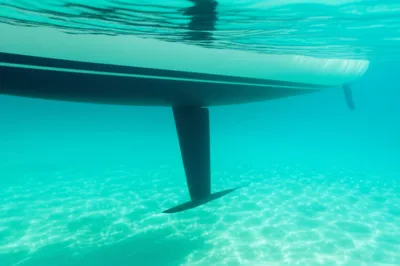
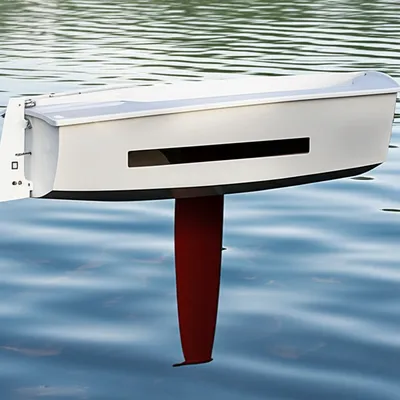
noun🔗Share선박의 키, 검판 또는 센터보드The rudder, daggerboard, or centerboard of a vessel."The sailboat's blades helped the captain steer accurately through the waves. "요트의 블레이드는 선장이 파도를 정확하게 헤쳐나가도록 도왔다.nauticalsailingvehiclepartChat with AIVocabulary GamePractice Reading
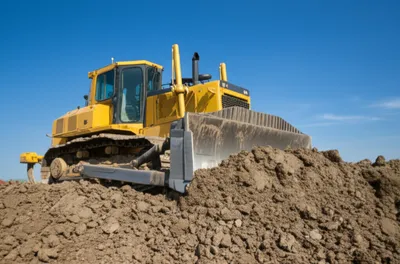
noun🔗Share블레이드A bulldozer or surface-grading machine with mechanically adjustable blade that is nominally perpendicular to the forward motion of the vehicle."The construction worker carefully adjusted the blades of the bulldozer to level the ground for the new parking lot. "건설 노동자는 새 주차장을 위해 땅을 평평하게 하기 위해 불도저의 블레이드를 조심스럽게 조정했습니다.machinevehicleagricultureindustrytechnologyChat with AIVocabulary GamePractice Reading
noun🔗Share멋진 젊은이A dashing young man."Seeing those young blades in their tailored suits enter the restaurant, all heads turned. "맞춤 정장을 입은 멋진 젊은이들이 식당에 들어서는 것을 보고 모두가 고개를 돌렸다.personstylehumanChat with AIVocabulary GamePractice Reading
noun🔗Share칼날Thin plate, foil."The ceiling fan has three blades that spin to cool the room. "천장 선풍기에는 방을 시원하게 하기 위해 회전하는 칼날이 세 개 있습니다.materialpartChat with AIVocabulary GamePractice Reading
noun🔗Share날One of a series of small plates that make up the aperture or the shutter of a camera."The photographer adjusted the camera, carefully setting the aperture by controlling the movement of the blades. "사진작가는 카메라를 조절하여 날의 움직임을 제어하여 조리개를 조심스럽게 설정했습니다.technologyelectronicsdevicemachinepartChat with AIVocabulary GamePractice Reading
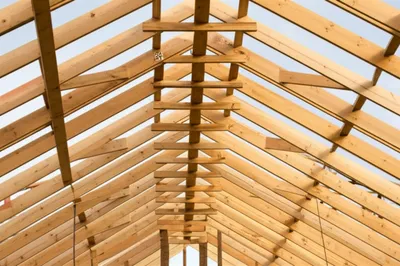
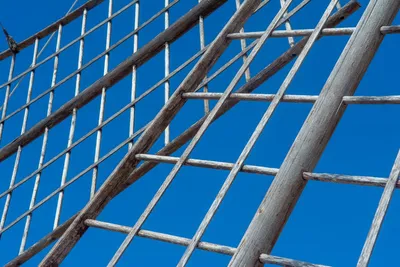
noun🔗Share서까래(in the plural) The principal rafters of a roof."The carpenter carefully inspected the blades supporting the roof of the old barn. "목수는 오래된 헛간의 지붕을 지탱하는 서까래를 조심스럽게 검사했습니다.architecturebuildingstructurepartChat with AIVocabulary GamePractice Reading
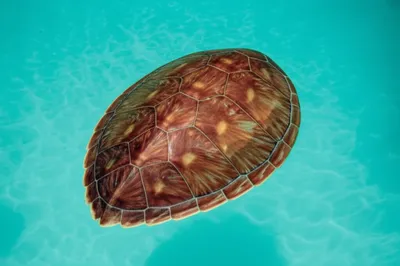
noun🔗Share판The four large shell plates on the sides, and the five large ones of the middle, of the carapace of the sea turtle, which yield the best tortoise shell."The artisan carefully worked on the intricate carvings on the sea turtle's blades. "장인은 바다 거북의 판에 있는 복잡한 조각에 신중하게 작업했습니다.animalbodypartmaterialbiologyChat with AIVocabulary GamePractice Reading
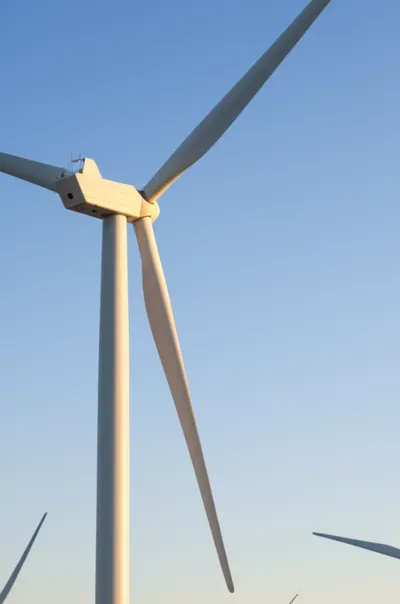
noun🔗Share날개Airfoil in windmills and windturbines."The wind turned the large blades of the wind turbine, generating electricity for the town. "바람이 풍력 터빈의 큰 날개를 돌려 마을에 전기를 생산했습니다.energymachinetechnologyenvironmentpartscienceChat with AIVocabulary GamePractice Reading
noun🔗Share블레이드 서버A blade server."The company replaced its old tower servers with energy-efficient blades to save space in the data center. "회사는 데이터 센터의 공간을 절약하기 위해 오래된 타워 서버를 에너지 효율적인 블레이드 서버로 교체했습니다.technologycomputingelectronicsmachineinternetsystemdeviceChat with AIVocabulary GamePractice Reading
noun🔗Share외적An exterior product of vectors. (The product may have more than two factors. Also, a scalar counts as a 0-blade, a vector as a 1-blade; an exterior product of k vectors may be called a k-blade.)"While visualizing higher-dimensional geometric algebra is difficult, imagine a simple plane; in that context, a 2-blade represents the oriented area of a parallelogram. "고차원 기하 대수를 시각화하는 것은 어렵지만, 단순한 평면을 상상해 보십시오. 이러한 맥락에서 2-외적은 평행사변형의 방향이 있는 면적을 나타냅니다.mathphysicstechnicalChat with AIVocabulary GamePractice Reading
noun🔗Share열쇠 날The part of a key that is inserted into the lock."The security guard checked that the blades of all the master keys were clean before placing them on the hook. "경비원은 모든 마스터 키의 열쇠 날이 깨끗한지 확인한 후 고리에 걸었습니다.partitemdeviceChat with AIVocabulary GamePractice Reading
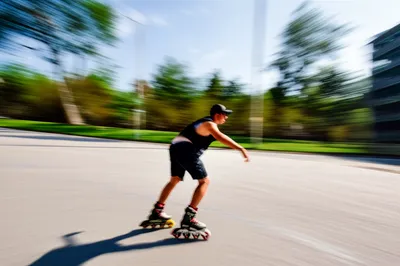
verb🔗Share롤러블레이드를 타다To skate on rollerblades."Want to go blading with me later in the park?"sportentertainmentactionChat with AIVocabulary GamePractice Reading
verb🔗Share칼날을 장착하다To furnish with a blade."The carpenter bladed the new saw with a sharp, strong blade. "목수는 새 톱에 날카롭고 튼튼한 칼날을 장착했다.utensilChat with AIVocabulary GamePractice Reading
verb🔗Share칼날을 내다, 칼날을 가지다To put forth or have a blade."The wheat is starting to blade in the field after the spring rain. "봄비가 내린 후 밀이 밭에서 칼날을 내기 시작한다.plantbiologynatureChat with AIVocabulary GamePractice Reading
verb🔗Share칼로 찌르다To stab with a blade"The gang member got bladed in a fight."그 갱단원은 싸움에서 칼에 찔렸다.weaponactionChat with AIVocabulary GamePractice Reading
verb🔗Share찌르다, 베다To cut (a person) so as to provoke bleeding."The bully threatened to blade the kid who reported him to the principal. "불량배는 교장에게 자신을 신고한 아이를 찌르겠다고 위협했다.bodyactionweaponinhumanChat with AIVocabulary GamePractice Reading
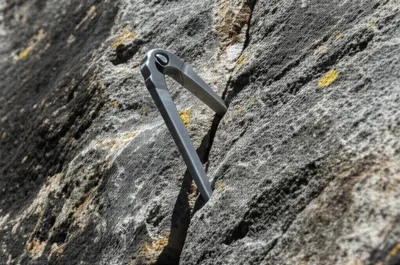
noun🔗Share블레이드A kind of piton used in thin cracks."The climber carefully hammered the blades into the narrow crack in the rock face, hoping they would hold his weight. "등반가는 자신의 무게를 지탱해주기를 바라며 좁은 바위 틈새에 블레이드를 조심스럽게 망치질했다.sporttechnicalChat with AIVocabulary GamePractice Reading