

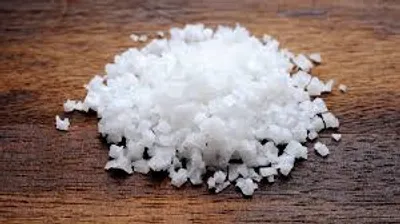





adjective🔗ShareSalzigTasting of salt."The popcorn was too salty. "Das Popcorn war zu salzig.sensationfoodChat with AIVocabulary GamePractice Reading
adjective🔗ShareSalzhaltig, salzigContaining salt."The soup was too salty, so I added some more water. "Die Suppe war zu salzig, also habe ich noch etwas Wasser hinzugefügt.foodchemistrysubstancesensationChat with AIVocabulary GamePractice Reading
adjective🔗ShareDerb, deftig, salzigCoarse, provocative, earthy; said of language."My grandfather's comments about my job were often salty and made me uncomfortable. "Die Kommentare meines Großvaters über meine Arbeit waren oft derb und machten mich unwohl.languagecharacterattitudeChat with AIVocabulary GamePractice Reading
adjective🔗ShareErfahren, abgebrühtExperienced, especially used to indicate a veteran of the naval services; salty dog (from salt of the sea)."The old sailor was a salty veteran, having spent decades at sea. "Der alte Seemann war ein erfahrener Veteran, der Jahrzehnte auf See verbracht hatte.nauticalsailingmilitaryoceanChat with AIVocabulary GamePractice Reading
adjective🔗ShareVerärgert, sauerIrritated, annoyed (from the sharp, spicy flavor of salt)."My brother's comments about my presentation were so salty; I could feel my cheeks flush. "Die Kommentare meines Bruders zu meiner Präsentation waren so sauer; ich spürte, wie meine Wangen rot wurden.attitudeemotioncharacterChat with AIVocabulary GamePractice Reading
adjective🔗Shareverschnupft, beleidigt, eingeschnapptIndignant or offended due to over-sensitivity, humourlessness, disappointment, or defeat (implying the person is a crybaby, shedding salty tears); said of interlocutors expressing indignation, or merely disagreement."My brother was incredibly salty after losing the video game tournament. "Mein Bruder war unglaublich eingeschnappt, nachdem er das Videospielturnier verloren hatte.attitudecharacteremotionpersonChat with AIVocabulary GamePractice Reading
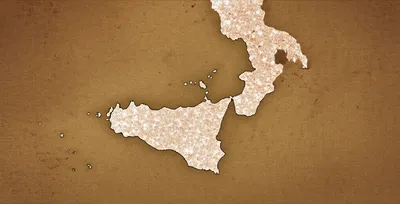
adjective🔗ShareSardischsprachigPertaining to the Sardinian language and those dialects of Catalan, spoken in the Balearic Islands and along the coast of Catalonia, that use definitive articles descended from the Latin ipse instead of the Latin ille."My grandmother speaks a salty dialect of Catalan, using the word "sa" for "the" instead of "el." "Meine Großmutter spricht einen sardischsprachigen katalanischen Dialekt und verwendet das Wort „sa“ anstelle von „el“ für „der/die/das“.languagelinguisticsChat with AIVocabulary GamePractice Reading