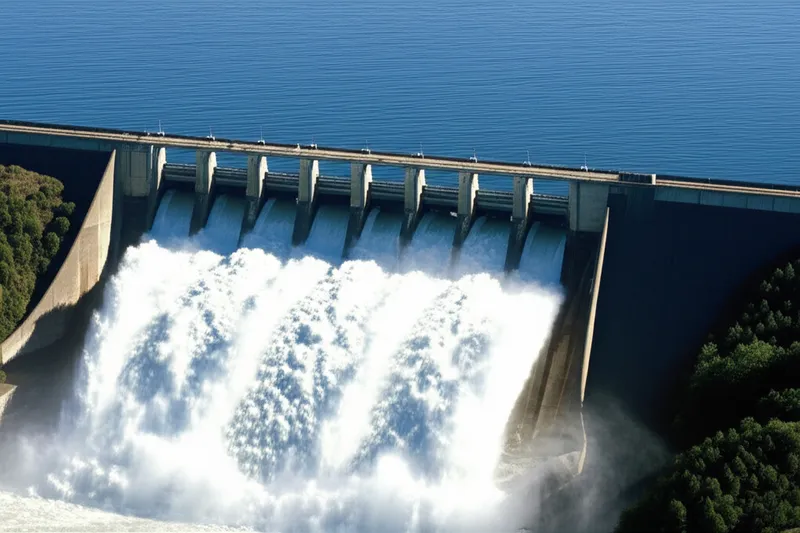
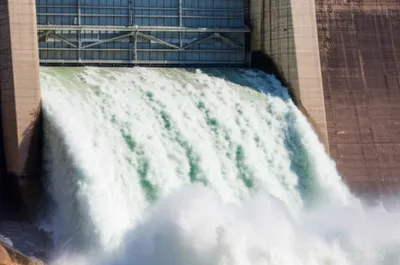
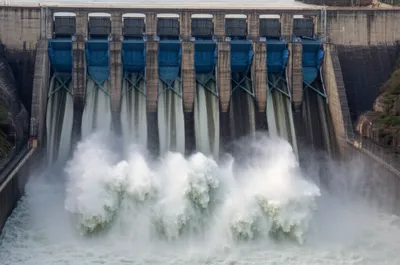
verb Herunterladen 🔗Teilen Ablassen, ausschütten To emit by, or as by, flood gates. Examples : "The dam operator sluiced water into the river, raising its level downstream. " Der Staudammbetreiber ließ Wasser in den Fluss ab, wodurch der Pegel flussabwärts stieg. nature environment action Mit KI chattenVokabelspielÜbung: Lesen
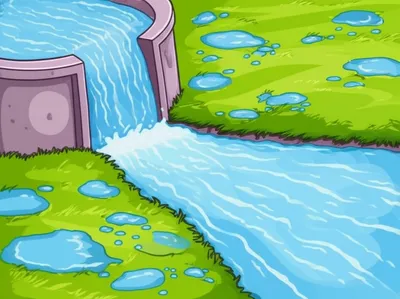
verb Herunterladen 🔗Teilen Schleusen, überschwemmen To wet copiously, as by opening a sluice Examples : "to sluice meadows" Wiesen überschwemmen environment nature Mit KI chattenVokabelspielÜbung: Lesen
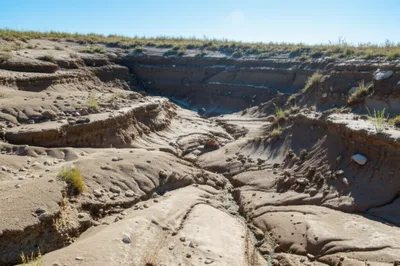
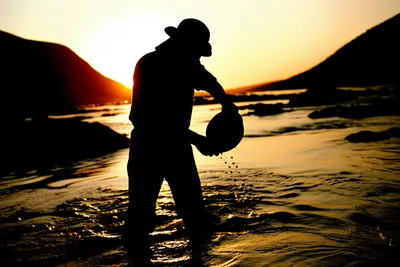
verb Herunterladen 🔗Teilen Ausspülen, durchschwemmen To wash with, or in, a stream of water running through a sluice. Examples : "The gold prospectors sluiced gravel from the riverbed, hoping to find flecks of gold amongst the washed-away dirt. " Die Goldsucher spülten Kies aus dem Flussbett, in der Hoffnung, Goldflitter zwischen dem weggespülten Schmutz zu finden. nature action environment agriculture Mit KI chattenVokabelspielÜbung: Lesen
verb Herunterladen 🔗Teilen Ausspülen, abwaschen (more generally) To wash (down or out). Examples : "The strong rain sluiced the dirt from the patio. " Der starke Regen spülte den Schmutz von der Terrasse. utility action process Mit KI chattenVokabelspielÜbung: Lesen
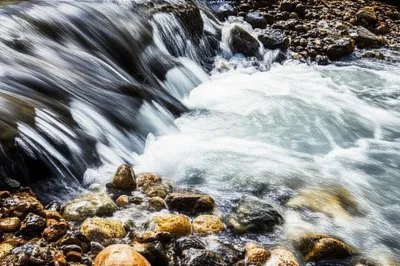
verb Herunterladen 🔗Teilen Fließen, gießen To flow, pour. Examples : "After the heavy rain, water sluiced down the street, carrying leaves and debris. " Nach dem starken Regen floss das Wasser die Straße hinunter und trug Blätter und Schmutz mit sich. action nature environment Mit KI chattenVokabelspielÜbung: Lesen
verb Herunterladen 🔗Teilen Das C in einer koordinierten Wh-Frage auslassen. Siehe Sluicing. To elide the C` in a coordinated wh-question. See sluicing. Examples : "The linguist explained how "someone stole my sandwich, but I don't know who" is an example of a sentence where the rest of the wh-clause after who has been sluiced. " Der Linguist erklärte, wie „Jemand hat mein Sandwich gestohlen, aber ich weiß nicht, wer“ ein Beispiel für einen Satz ist, in dem der Rest der Wh-Klausel nach wer ausgelassen wurde. grammar language linguistics Mit KI chattenVokabelspielÜbung: Lesen