






adjective🔗ShareSaléTasting of salt."The popcorn was too salty. "Le pop-corn était trop salé.sensationfoodChat with AIVocabulary GamePractice Reading
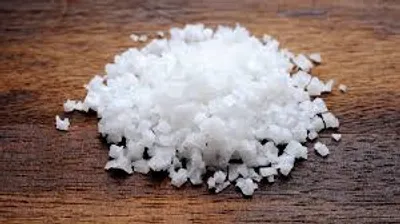
adjective🔗ShareSaléContaining salt."The soup was too salty, so I added some more water. "La soupe était trop salée, alors j'ai ajouté un peu plus d'eau.foodchemistrysubstancesensationChat with AIVocabulary GamePractice Reading
adjective🔗ShareSalé, cru, oséCoarse, provocative, earthy; said of language."My grandfather's comments about my job were often salty and made me uncomfortable. "Les commentaires de mon grand-père sur mon travail étaient souvent osés et m'ont mis mal à l'aise.languagecharacterattitudeChat with AIVocabulary GamePractice Reading
adjective🔗ShareExpérimenté, aguerriExperienced, especially used to indicate a veteran of the naval services; salty dog (from salt of the sea)."The old sailor was a salty veteran, having spent decades at sea. "Le vieux marin était un vétéran aguerri, ayant passé des décennies en mer.nauticalsailingmilitaryoceanChat with AIVocabulary GamePractice Reading
adjective🔗ShareIrrité, agacéIrritated, annoyed (from the sharp, spicy flavor of salt)."My brother's comments about my presentation were so salty; I could feel my cheeks flush. "Les commentaires de mon frère sur ma présentation étaient si irritants ; j'ai senti mes joues rougir.attitudeemotioncharacterChat with AIVocabulary GamePractice Reading
adjective🔗Shareamer, susceptible, vexéIndignant or offended due to over-sensitivity, humourlessness, disappointment, or defeat (implying the person is a crybaby, shedding salty tears); said of interlocutors expressing indignation, or merely disagreement."My brother was incredibly salty after losing the video game tournament. "Mon frère était incroyablement amer après avoir perdu le tournoi de jeux vidéo.attitudecharacteremotionpersonChat with AIVocabulary GamePractice Reading
adjective🔗ShareRelatif au sardePertaining to the Sardinian language and those dialects of Catalan, spoken in the Balearic Islands and along the coast of Catalonia, that use definitive articles descended from the Latin ipse instead of the Latin ille."My grandmother speaks a salty dialect of Catalan, using the word "sa" for "the" instead of "el." "Ma grand-mère parle un dialecte catalan relatif au sarde, utilisant le mot « sa » pour « le/la » au lieu de « el ».languagelinguisticsChat with AIVocabulary GamePractice Reading