
noun🔗ShareルバーブAny plant of the genus Rheum, especially Rheum rhabarbarum, having large leaves and long green or reddish acidic leafstalks that are edible, in particular when cooked (although the leaves are mildly poisonous)."My grandmother's rhubarb pie is a family favorite. "祖母のルバーブパイは家族のお気に入りです。plantfoodvegetableChat with AIVocabulary GamePractice Reading
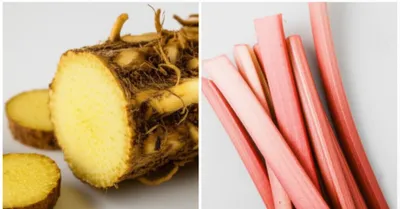
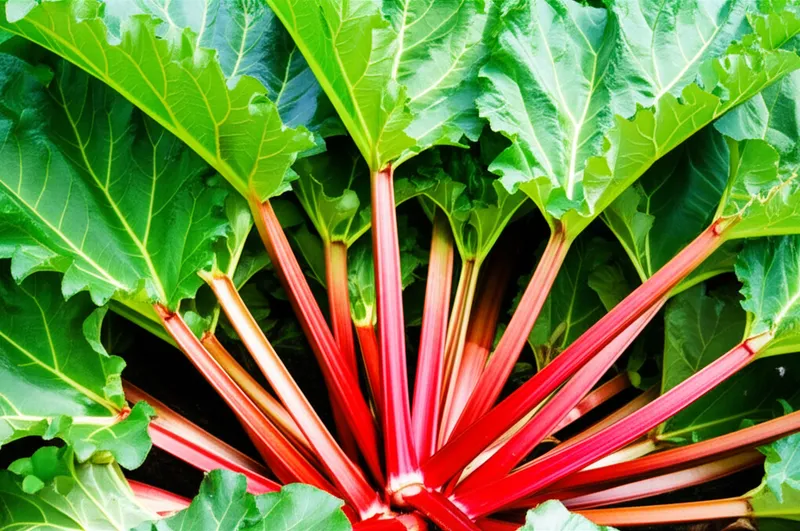
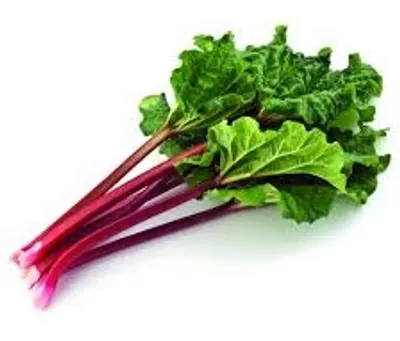
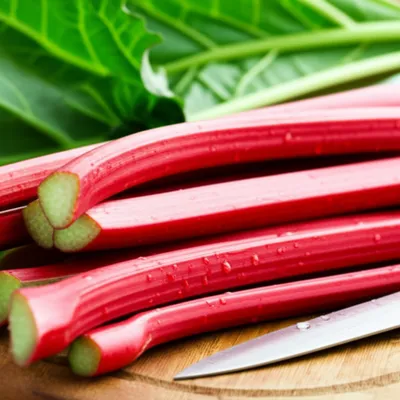
noun🔗ShareルバーブThe leafstalks of common rhubarb or garden rhubarb (usually known as Rheum × hybridum), which are long, fleshy, often pale red, and with a tart taste, used as a food ingredient; they are frequently stewed with sugar and made into jam or used in crumbles, pies, etc."My grandmother's garden always has plenty of rhubarb, which she uses to make delicious pies. "祖母の庭にはいつもたくさんのルバーブがあり、彼女はそれを使って美味しいパイを作ります。vegetablefoodplantChat with AIVocabulary GamePractice Reading
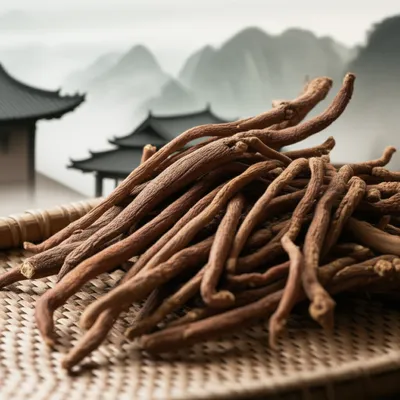
noun🔗Share大黄の根茎The dried rhizome and roots of Rheum palmatum (Chinese rhubarb) or Rheum officinale (Tibetan rhubarb), from China, used as a laxative and purgative."My grandmother uses rhubarb to make a natural laxative tea. "祖母は天然の下剤のお茶を作るのに大黄の根茎を使います。medicineplantvegetablefoodChat with AIVocabulary GamePractice Reading
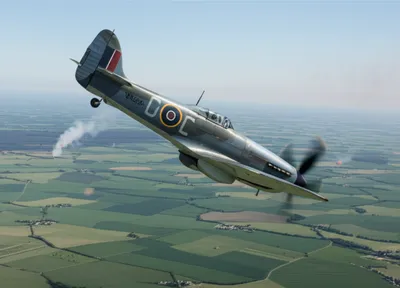
noun🔗Shareルバーブ(第二次世界大戦中のイギリス空軍による、低空飛行で目標を探す作戦のコードネーム)A Royal Air Force World War II code name for operations by aircraft (fighters and fighter-bombers) involving low-level flight to seek opportunistic targets."During World War II, a pilot received orders for a "rhubarb," meaning he was to fly at low altitude looking for enemy targets of opportunity. "第二次世界大戦中、あるパイロットは「ルバーブ」の命令を受け、それは敵の好機を狙う標的を探すために低空飛行をすることを意味していた。militarywaractionhistoryChat with AIVocabulary GamePractice Reading
verb🔗Share射撃するOf fighter aircraft: to fire at a target opportunistically."The fighter pilot ruthlessly rhubarbed the enemy drone, firing when it was most vulnerable. "戦闘機パイロットは、最も脆弱なときに射撃し、容赦なく敵のドローンを射撃した。militaryvehicleweaponwaractionChat with AIVocabulary GamePractice Reading
adjective🔗Shareルバーブ色のOf the colour of rhubarb: either brownish-yellow (the colour of rhubarb rhizomes and roots used for medicinal purposes), or pale red (often the colour of the leafstalks of common rhubarb)."The rhubarb-coloured tablecloth matched the new chairs perfectly. "ルバーブ色のテーブルクロスは、新しい椅子と完璧にマッチしていました。colorplantvegetablefoodappearanceChat with AIVocabulary GamePractice Reading
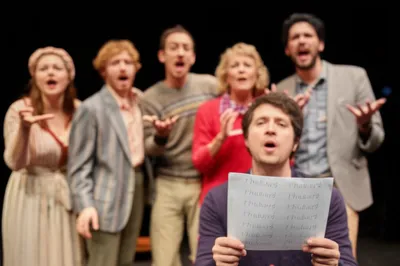
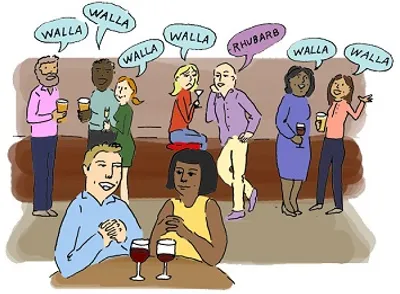
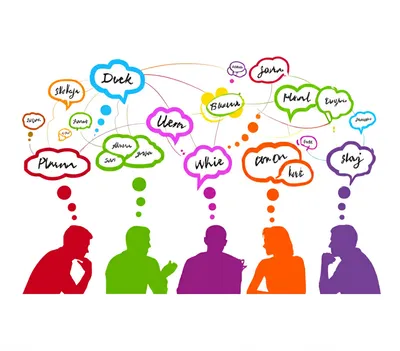
noun🔗Shareざわめき, 騒音(originally theater) General background noise caused by several simultaneous indecipherable conversations, which is created in films, stage plays, etc., by actors repeating the word rhubarb; hence, such noise in other settings; rhubarb rhubarb, rhubarb rhubarb rhubarb."The noisy cafeteria was filled with rhubarb, making it hard to hear the announcements. "騒がしいカフェテリアは騒音で満たされ、アナウンスが聞こえにくかった。entertainmentsoundstagelanguagecommunicationChat with AIVocabulary GamePractice Reading
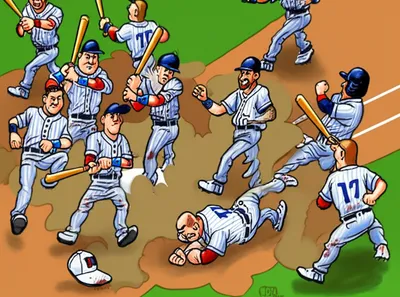
noun🔗Share口論, 騒ぎ(originally baseball) An excited, angry exchange of words, especially at a sporting event."The rhubarb between the two teams' coaches after the game was intense. "試合後の両チームのコーチ間の口論は激しかった。sportlanguageentertainmentChat with AIVocabulary GamePractice Reading
noun🔗Share喧嘩, 口論(originally baseball, by extension) A brawl."The argument between the two classmates escalated into a rhubarb on the school playground. "二人のクラスメートの口論は、学校の遊び場で喧嘩に発展した。sportactionentertainmentChat with AIVocabulary GamePractice Reading
verb🔗Shareくぐもって話す, ぼそぼそ話す(originally theater) Of an actor in a film, stage play, etc.: to repeat the word rhubarb to create the sound of indistinct conversation; hence, to converse indistinctly, to mumble."During the school play, the actors were supposed to rhubarb their lines to simulate a noisy, crowded marketplace. "学芸会の間、俳優たちは騒がしい、混雑した市場をシミュレートするために、台詞をぼそぼそ話すことになっていた。entertainmentstagesoundlanguagecommunicationChat with AIVocabulary GamePractice Reading
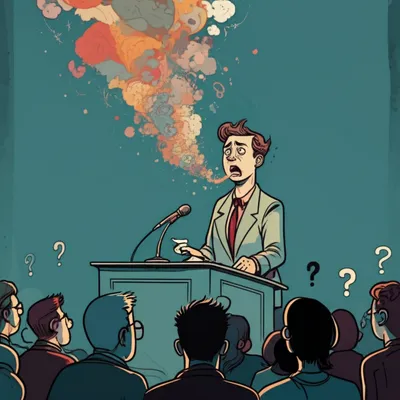
verb🔗Shareぶつぶつ言う, もごもご言うTo articulate indistinctly or mumble (words or phrases); to say inconsequential or vague things because one does not know what to say, or to stall for time."The student, unprepared for the presentation, began to rhubarb about the weather, hoping the teacher would run out of time. "プレゼンテーションの準備ができていない生徒は、先生に時間切れになることを期待して、天気のことをぶつぶつ言い始めた。languagecommunicationwordChat with AIVocabulary GamePractice Reading