






verb🔗ShareExprimer, énoncerTo give utterance or expression to; to utter; to publish; to announce"He voiced the sentiments of the nation."Il a exprimé les sentiments de la nation.languagecommunicationsoundphoneticsChat with AIVocabulary GamePractice Reading
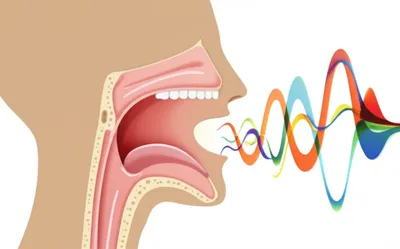
verb🔗ShareExprimer, articulerTo utter audibly, with tone and not just breath."The singer was voicing a beautiful melody, filling the room with her powerful sound. "La chanteuse exprimait une belle mélodie, remplissant la pièce de son son puissant.phoneticslanguagecommunicationsoundChat with AIVocabulary GamePractice Reading
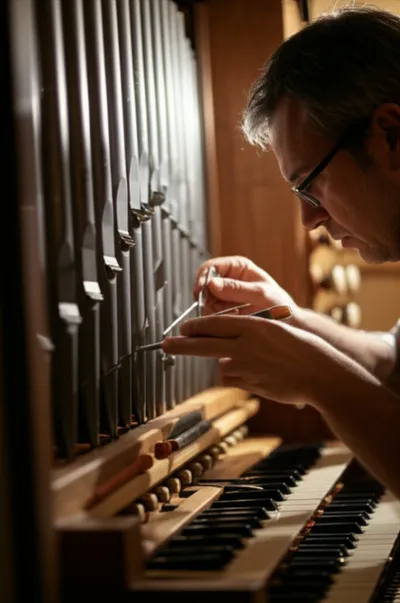
verb🔗ShareVocoder, sonoriserTo fit for producing the proper sounds; to regulate the tone of"voice the pipes of an organ"Vocoder les tuyaux d'un orgue.phoneticslanguagesoundlinguisticsChat with AIVocabulary GamePractice Reading
verb🔗ShareVoter, élireTo vote; to elect; to appoint"The club members will be voicing their new president at the next meeting. "Les membres du club vont élire leur nouveau président lors de la prochaine réunion.politicsgovernmentChat with AIVocabulary GamePractice Reading
verb🔗ShareClamer, crierTo clamor; to cry out"The crowd was voicing its anger about the new tax law by chanting loudly. "La foule clamait sa colère au sujet de la nouvelle loi fiscale en scandant fort.communicationsoundlanguageactionChat with AIVocabulary GamePractice Reading
verb🔗ShareDonner la voix à quelqu'un(IRC) To assign the voice flag to a user on IRC, permitting them to send messages to the channel."The IRC operator is voicing users who have good questions so they can speak freely in the crowded channel. "L'opérateur IRC donne la voix aux utilisateurs qui ont de bonnes questions afin qu'ils puissent parler librement dans le canal bondé.computinginternetcommunicationtechnologyChat with AIVocabulary GamePractice Reading
verb🔗ShareDoublage, prêter sa voixTo act as a voice actor to portray a character.""He is voicing the main character in the new animated movie." "Il double le personnage principal dans le nouveau film d'animation.entertainmentjobmediacommunicationcharactersoundlanguagelinguisticsChat with AIVocabulary GamePractice Reading
noun🔗ShareAccordage, intonationThe final regulation of the pitch and tone of any sound-producing entity, especially of an organ or similar musical instrument."The organ technician spent the afternoon carefully adjusting the voicing of each pipe to achieve a richer, more balanced sound. "Le technicien d'orgue a passé l'après-midi à ajuster soigneusement l'accordage de chaque tuyau pour obtenir un son plus riche et plus équilibré.musicsoundtechnicalorganphoneticsChat with AIVocabulary GamePractice Reading
noun🔗ShareDisposition, arrangementA particular arrangement of notes to form a chord."The pianist experimented with different voicings of the C major chord to find the most pleasing sound. "Le pianiste a expérimenté différentes dispositions de l'accord de do majeur pour trouver le son le plus agréable.musicChat with AIVocabulary GamePractice Reading
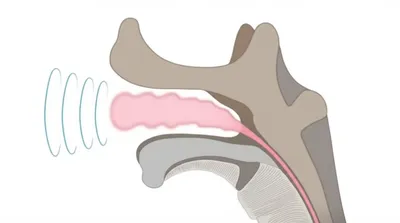
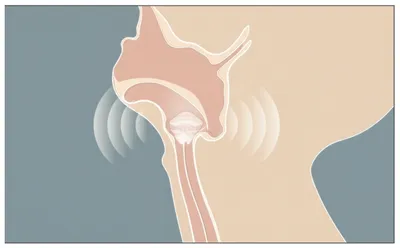
noun🔗SharePhonation, voisementThe articulatory process in which the vocal cords vibrate."The voicing in the "z" sound is what makes it different from the "s" sound. "La phonation dans le son « z » est ce qui le différencie du son « s ».phoneticslinguisticslanguageChat with AIVocabulary GamePractice Reading
noun🔗ShareVoisementA classification of speech sounds that tend to be associated with vocal cord vibration."In phonetics, the difference between "sip" and "zip" is determined by voicing; "zip" has voicing because your vocal cords vibrate, while "sip" does not. "En phonétique, la différence entre « sip » et « zip » est déterminée par le voisement ; « zip » a du voisement parce que vos cordes vocales vibrent, tandis que « sip » n'en a pas.phoneticslinguisticslanguagesoundcommunicationChat with AIVocabulary GamePractice Reading
noun🔗ShareVoisementA phonological process that turns a voiceless sound into a voiced one."The voicing of the /s/ in "cats" to a /z/ in "dogs" shows how plural endings can change depending on the preceding sound. "Le voisement du /s/ dans « cats » en un /z/ dans « dogs » montre comment les terminaisons plurielles peuvent changer en fonction du son précédent.phoneticslanguagelinguisticssoundChat with AIVocabulary GamePractice Reading