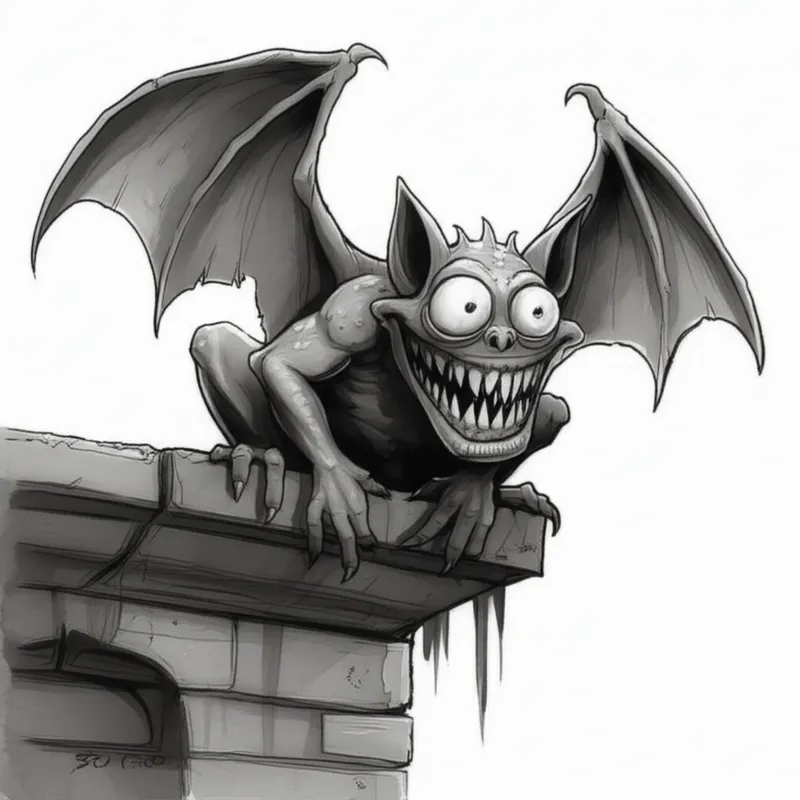

noun🔗ShareГротескное изображение, горгульяA grotesque representation of a figure; a gargoyle."The old building was decorated with an antic: a stone gargoyle with a comically twisted face. "Старое здание было украшено гротескным изображением: каменной горгульей со смешно искаженным лицом.architectureartfigureappearanceChat with AIVocabulary GamePractice Reading
noun🔗ShareКарикатураA caricature."The politician's speech was such an antic of sincerity that no one believed a word he said. "Речь политика была такой карикатурой на искренность, что никто не поверил ни единому его слову.artstyleappearancecharacterentertainmentChat with AIVocabulary GamePractice Reading
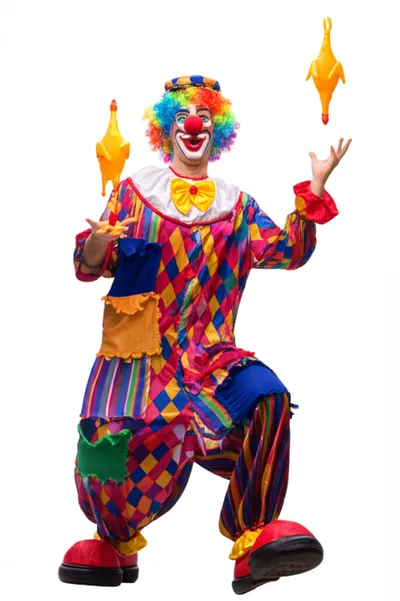
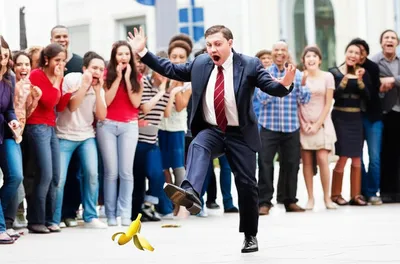
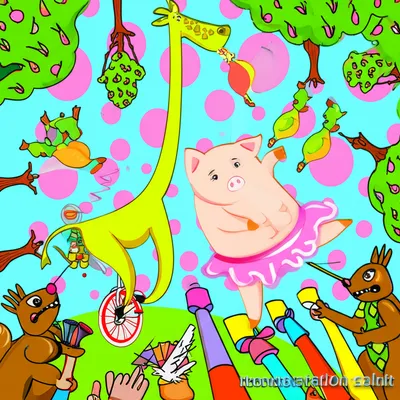
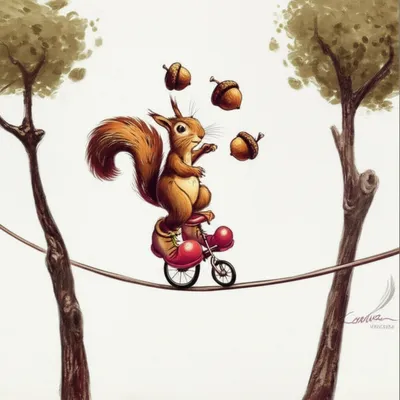
noun🔗ShareВыходка, ужимка(often in plural) A ludicrous gesture or act; ridiculous behaviour; caper."During the class presentation, Mark's antics with the rubber chicken made everyone laugh, even though the teacher frowned. "Во время классной презентации выходки Марка с резиновой курицей рассмешили всех, хотя учитель и нахмурился.entertainmentactionChat with AIVocabulary GamePractice Reading
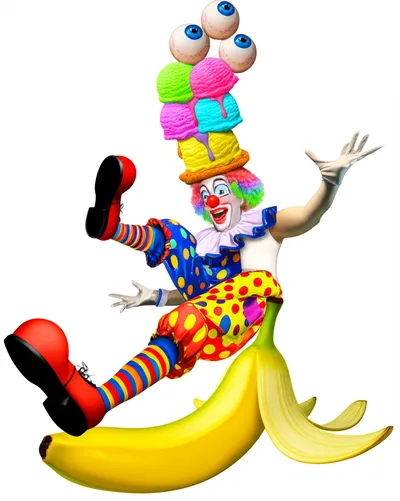
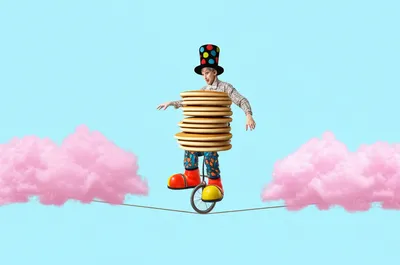
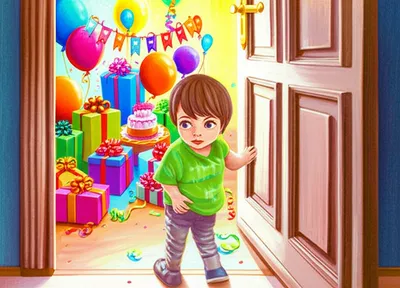
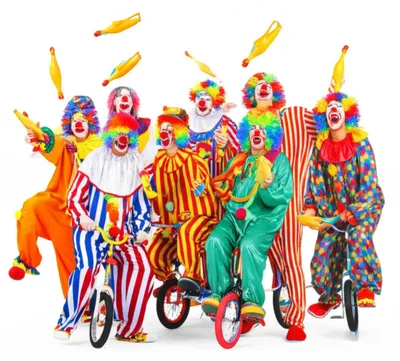
noun🔗ShareШут, паяцA grotesque performer or clown, buffoon."The birthday party entertainer was a real antic, making silly faces and tripping over his own feet on purpose to make the children laugh. "Артист на дне рождения был настоящим шутом, корчил рожи и нарочно спотыкался о собственные ноги, чтобы рассмешить детей.entertainmentpersonstylecharacterChat with AIVocabulary GamePractice Reading
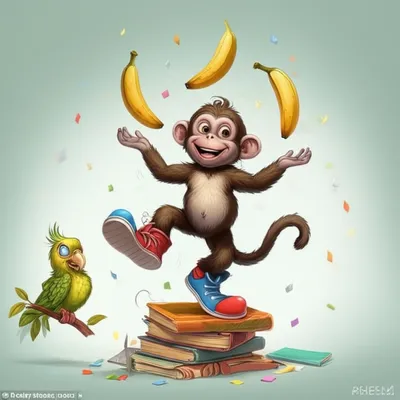
verb🔗ShareВыкидывать коленца, кривлятьсяTo perform antics, caper."The children began to antic in the park, running and laughing after being cooped up inside all day. "Дети начали кривляться в парке, бегая и смеясь после того, как весь день просидели взаперти.entertainmentactionChat with AIVocabulary GamePractice Reading
verb🔗ShareВыставлять дураком, высмеиватьTo make a fool of, to cause to look ridiculous."The comedian anticd the audience with his silly jokes, making them laugh at his exaggerated facial expressions. "Комик выставлял публику дураками своими глупыми шутками, заставляя их смеяться над его преувеличенными выражениями лица.entertainmentactioncharacterChat with AIVocabulary GamePractice Reading
verb🔗ShareВыкидывать коленца, кривлятьсяTo perform (an action) as an antic; to mimic ridiculously."The little boy started to antic his teacher, exaggerating her gestures and voice to make his friends laugh. "Маленький мальчик начал кривляться перед своим учителем, преувеличивая ее жесты и голос, чтобы рассмешить своих друзей.entertainmentactionstyleChat with AIVocabulary GamePractice Reading
adjective🔗ShareЗабавный, смешной, нелепыйPlayful, funny, absurd"The little boy's antics were quite antic, making everyone laugh. "Выходки маленького мальчика были довольно забавными, заставляя всех смеяться.entertainmentcharacterstyleactionChat with AIVocabulary GamePractice Reading
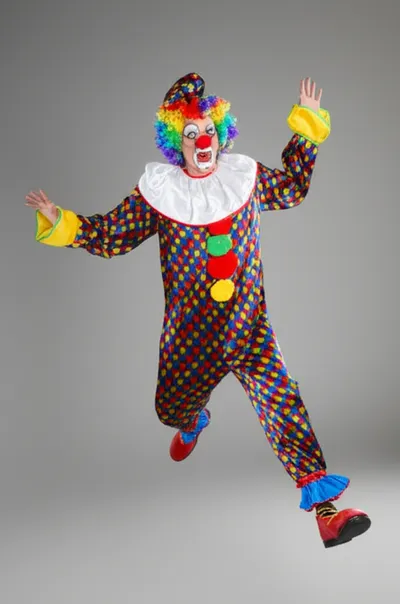
adjective🔗ShareГротескный, причудливыйGrotesque, incongruous."The clown's antic makeup, with its exaggeratedly large red nose and mismatched eyes, startled the children. "Гротескный грим клоуна с его преувеличенно большим красным носом и несоответствующими глазами напугал детей.characterstyleappearanceartentertainmentChat with AIVocabulary GamePractice Reading
adjective🔗ShareГротескный, причудливыйGrotesque, bizarre"The clown's antic makeup, with its oversized red nose and wildly painted eyebrows, made some of the children cry. "Гротескный грим клоуна с его огромным красным носом и дико нарисованными бровями заставил некоторых детей заплакать.appearancestylecharacterChat with AIVocabulary GamePractice Reading
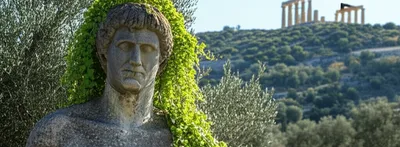
adjective🔗ShareДревний, античныйHaving existed in ancient times, descended from antiquity; used especially in reference to Greece and Rome."The professor lectured about the antic pottery found in the ruins of the old Roman city. "Профессор читал лекцию об античной керамике, найденной в руинах древнеримского города.historyarchaeologyageChat with AIVocabulary GamePractice Reading
adjective🔗ShareСтаринный, устаревший, старомодныйBelonging to former times, not modern, out of date, old-fashioned."My grandmother's antic ideas about dating are very different from how young people meet today. "Старинные взгляды моей бабушки на свидания сильно отличаются от того, как молодые люди знакомятся сегодня.timehistorystyleageChat with AIVocabulary GamePractice Reading
adjective🔗ShareАнтиквенныйDesignating a style of type."The old book used an antic typeface that was difficult to read due to its ornate and unusual style. "В старой книге использовался антиквенный шрифт, который было трудно читать из-за его витиеватого и необычного стиля.typestylelanguagewritingChat with AIVocabulary GamePractice Reading
adjective🔗ShareРельефный без позолотыEmbossed without gilt."The antique book had an antic cover, embossed with intricate patterns but without any gold leaf. "У старинной книги была рельефная обложка без позолоты, с замысловатыми узорами, но без золотых листьев.artstyleappearanceChat with AIVocabulary GamePractice Reading
noun🔗ShareУжимка, гримасаA pose, often exaggerated, in anticipation of an action; for example, a brief squat before jumping"The toddler went into a playful antic, crouching low to the ground with his hands outstretched, just before he pounced on the family dog. "Малыш принял игривую ужимку, присев низко к земле с вытянутыми руками, прямо перед тем, как наброситься на семейную собаку.actionbodyentertainmentsportstyleappearanceChat with AIVocabulary GamePractice Reading