







verb🔗ShareLaisser, entraînerTo have a consequence or remnant."The party left behind a mountain of empty pizza boxes. "La fête a laissé derrière elle une montagne de boîtes à pizza vides.outcomeactionessentialChat with AIVocabulary GamePractice Reading
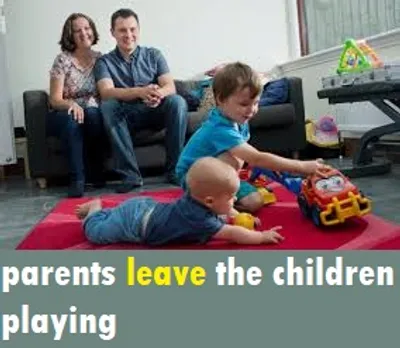
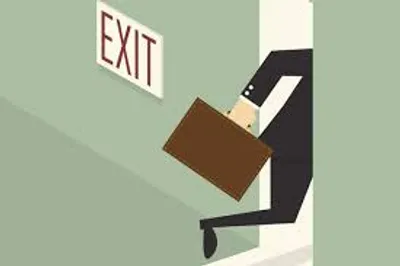
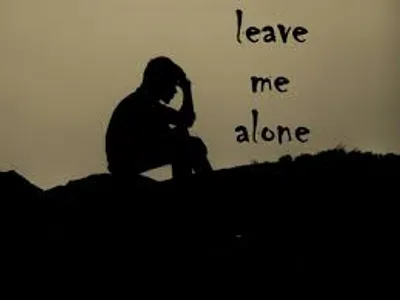
verb🔗SharePartir, quitterTo depart; to separate from."After lunch, the children left the park. "Après le déjeuner, les enfants ont quitté le parc.actionplaceessentialChat with AIVocabulary GamePractice Reading
verb🔗ShareLaisser, transmettreTo transfer something."The teacher left the old textbook to the student. "Le professeur a laissé l'ancien manuel à l'élève.businesseconomyessentialChat with AIVocabulary GamePractice Reading
verb🔗ShareRester, demeurerTo remain (behind); to stay."My sister will leave the house at 8:00 AM for school. "Ma sœur quittera la maison à 8h00 du matin pour l'école.actionsituationessentialChat with AIVocabulary GamePractice Reading
verb🔗ShareCesser, s'arrêterTo stop, desist from; to "leave off" (+ noun / gerund)."After the test, the students left studying for the afternoon. "Après le test, les étudiants ont cessé d'étudier pour l'après-midi.actionlanguageessentialChat with AIVocabulary GamePractice Reading
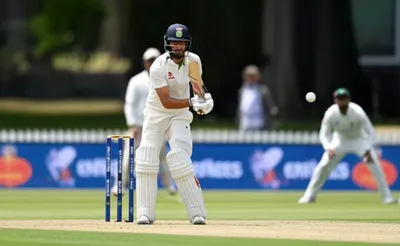
noun🔗ShareL'abandon, le fait de ne pas jouer la balleThe action of the batsman not attempting to play at the ball."The batsman's leave was a clear sign that he didn't want to risk getting out. "L'abandon du batteur était un signe clair qu'il ne voulait pas risquer d'être éliminé.sportessentialChat with AIVocabulary GamePractice Reading
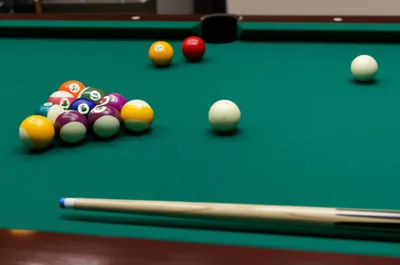
noun🔗ShareLa disposition des boules après un tirThe arrangement of balls in play that remains after a shot is made (which determines whether the next shooter — who may be either the same player, or an opponent — has good options, or only poor ones)."The leave after Maria's shot was good; it left several open pockets for the next player. "La disposition après le tir de Maria était bonne ; elle laissait plusieurs poches ouvertes pour le joueur suivant.sportgameessentialChat with AIVocabulary GamePractice Reading
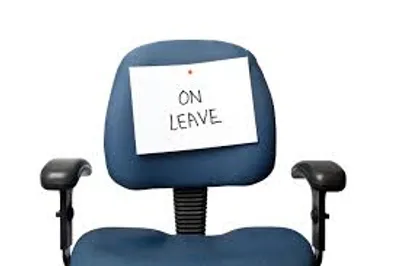
noun🔗ShareCongé, permissionPermission to be absent; time away from one's work."My teacher granted me leave for the week to visit my family. "Mon professeur m'a accordé une permission pour la semaine afin de rendre visite à ma famille.timejobbusinessworkserviceessentialChat with AIVocabulary GamePractice Reading
noun🔗SharePermission, autorisationPermission."Might I beg leave to accompany you?"Puis-je vous demander la permission de vous accompagner ?rightessentialChat with AIVocabulary GamePractice Reading
noun🔗ShareAdieu, départFarewell, departure."I took my leave of the gentleman without a backward glance."J'ai pris congé du monsieur sans un regard en arrière.actioneventtimeessentialChat with AIVocabulary GamePractice Reading
verb🔗ShareAutoriser, permettreTo give leave to; allow; permit; let; grant."We were not left go to the beach after school except on a weekend."On ne nous a pas permis d'aller à la plage après l'école, sauf le week-end.actionlanguagewordessentialChat with AIVocabulary GamePractice Reading
verb🔗ShareProduire des feuilles, s'effeuillerTo produce leaves or foliage."The trees in the park are beginning to leave. "Les arbres du parc commencent à s'effeuiller.plantnaturebiologyorganismessentialChat with AIVocabulary GamePractice Reading
verb🔗SharePrélever, leverTo raise; to levy."The government will leave a tax on gasoline next year. "Le gouvernement va prélever une taxe sur l'essence l'année prochaine.governmentpoliticsfinanceessentialChat with AIVocabulary GamePractice Reading