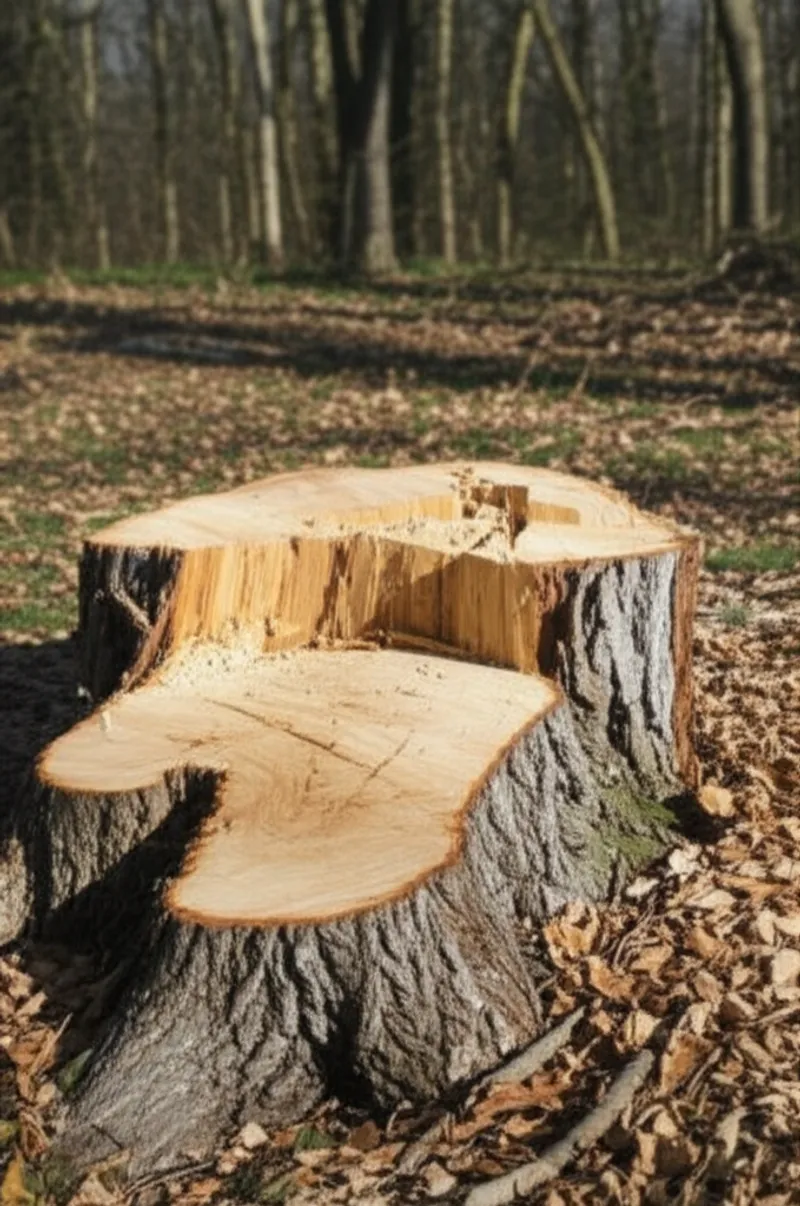
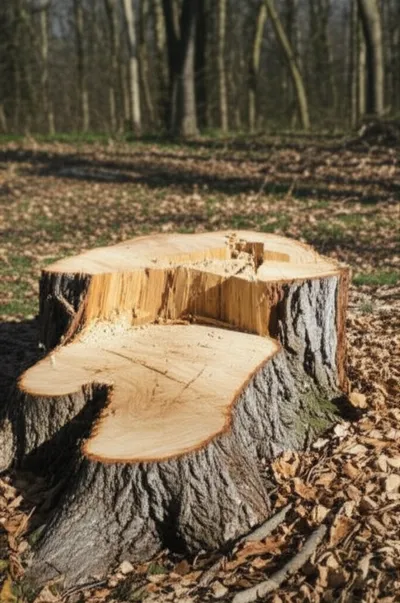
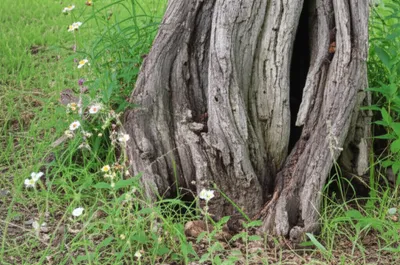
verb Скачать 🔗Поделиться Срубать, обрубать To remove most of a tree, bush, or other rooted plant by cutting it close to the ground. Examples : "The farmer stubbed the old apple tree after it stopped producing fruit. " Фермер срубил старое яблоневое дерево после того, как оно перестало плодоносить. environment agriculture plant action Чат с ИИИгра со словамиПрактика чтения
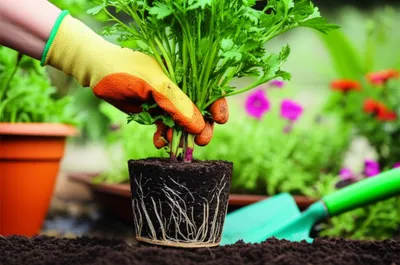
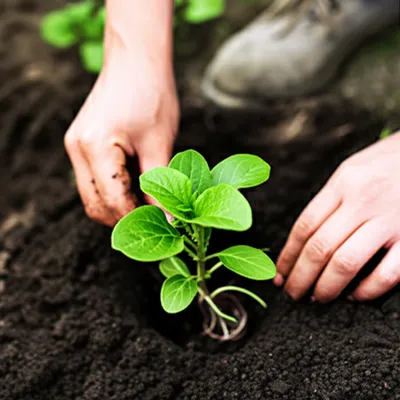
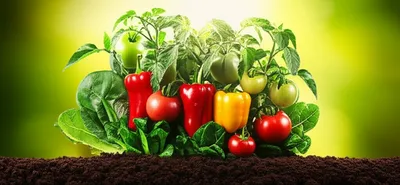
verb Скачать 🔗Поделиться Вырвать с корнем To remove a plant by pulling it out by the roots. Examples : "The farmer stubbed the weeds from the garden to prepare the soil for planting new crops. " Фермер вырвал сорняки из сада, чтобы подготовить почву для посадки новых культур. plant agriculture action Чат с ИИИгра со словамиПрактика чтения
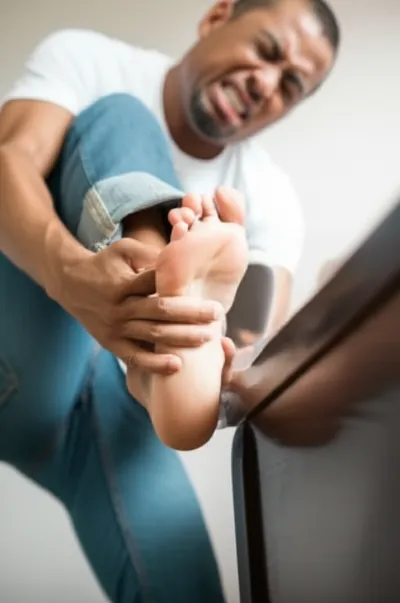
verb Скачать 🔗Поделиться Ударить, стукнуть To jam, hit, or bump, especially a toe. Examples : "I stubbed my toe trying to find the light switch in the dark." Я ударился пальцем ноги, пытаясь найти выключатель света в темноте. body action part sensation Чат с ИИИгра со словамиПрактика чтения
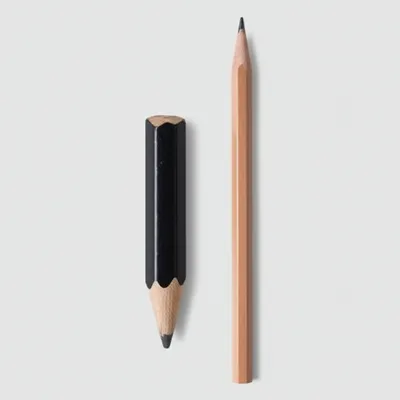
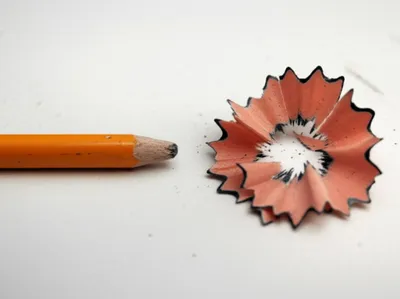
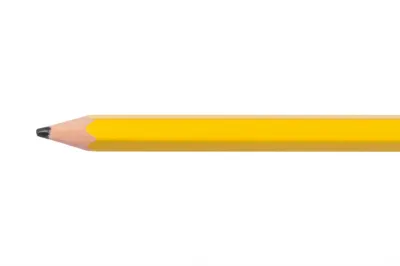
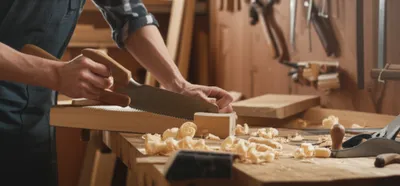
adjective Скачать 🔗Поделиться Короткий и толстый, тупой Short and thick, like something truncated; blunt; obtuse. Examples : "The carpenter used a stubbed pencil to mark the wood because he kept breaking the tips. " Плотник использовал короткий и толстый карандаш, чтобы разметить дерево, потому что он постоянно ломал кончики. appearance quality Чат с ИИИгра со словамиПрактика чтения
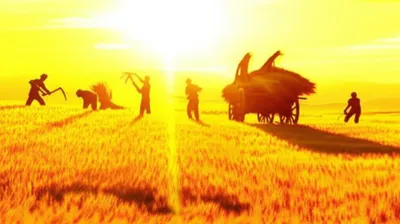
adjective Скачать 🔗Поделиться Короткий и толстый, коренастый Abounding in stubs; stubby. Examples : "The field was stubbed with the remnants of the harvested wheat, making it difficult to walk across. " Поле было коренастым от остатков собранной пшеницы, что затрудняло переход через него. appearance quality Чат с ИИИгра со словамиПрактика чтения
adjective Скачать 🔗Поделиться Коренастый, крепкий, выносливый Not delicate; hardy; rugged. Examples : "The gardener had stubbed fingers, worn and strong from years of working the soil. " У садовника были коренастые пальцы, изношенные и сильные от многолетней работы с землей. character quality appearance nature Чат с ИИИгра со словамиПрактика чтения