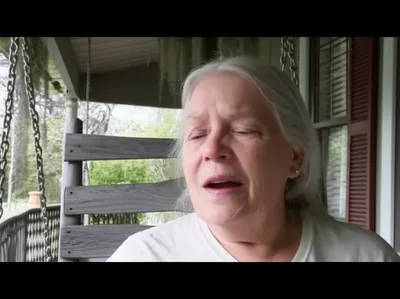
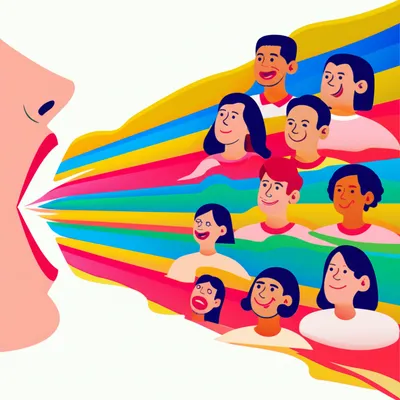
noun Télécharger 🔗Partager Élocution lente, traînante A way of speaking slowly while lengthening vowel sounds and running words together. Characteristic of some southern US accents, as well as Scots. Examples : "Her Texas drawl made "hello" sound like "hay-yuh-loh." " Son élocution lente du Texas faisait sonner "hello" comme "hay-yuh-loh". language phonetics communication sound style culture Chat avec IAJeu de vocabulairePratiquer la lecture
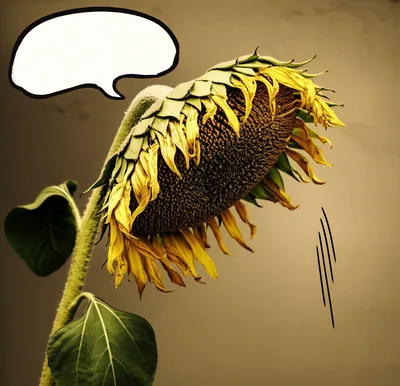
verb Télécharger 🔗Partager Tirer les mots, traîner, s'attarder To drag on slowly and heavily; to while or dawdle away time indolently. Examples : "The tired student began to drawl his answers during the late afternoon history class. " L'étudiant fatigué a commencé à traîner ses réponses pendant le cours d'histoire de fin d'après-midi. language style communication Chat avec IAJeu de vocabulairePratiquer la lecture
verb Télécharger 🔗Partager Parler d'une voix traînante To utter or pronounce in a dull, spiritless tone, as if by dragging out the utterance. Examples : "The tired student would drawl his answers during the afternoon class, making each word sound long and slow. " L'étudiant fatigué parlait d'une voix traînante pendant le cours de l'après-midi, rendant chaque mot long et lent. language phonetics sound style communication Chat avec IAJeu de vocabulairePratiquer la lecture
verb Télécharger 🔗Partager Tirer, traîner, s'étirer To move slowly and heavily; move in a dull, slow, lazy manner. Examples : "The tired dog would drawl across the living room floor after a long walk. " Le chien fatigué se traînait sur le sol du salon après une longue promenade. action style language communication Chat avec IAJeu de vocabulairePratiquer la lecture
verb Télécharger 🔗Partager Parler d'une voix lente et traînante To speak with a slow, spiritless utterance, from affectation, laziness, or lack of interest. Examples : "Example: "The student, clearly bored by the lecture, began to drawl his answers whenever the teacher called on him." " L'étudiant, clairement ennuyé par le cours, a commencé à parler d'une voix lente et traînante lorsqu'on lui posait des questions. language communication style action character Chat avec IAJeu de vocabulairePratiquer la lecture