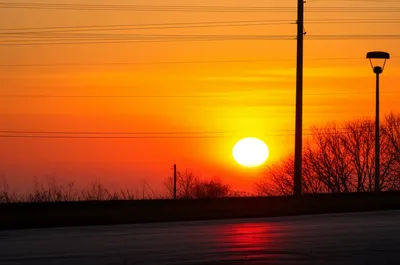



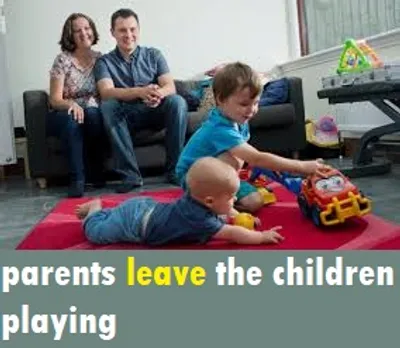




verb🔗ShareZurücklassen, hinterlassenTo have a consequence or remnant."The party left behind a mountain of empty pizza boxes. "Die Party hinterließ einen Berg leerer Pizzakartons.outcomeactionessentialChat with AIVocabulary GamePractice Reading
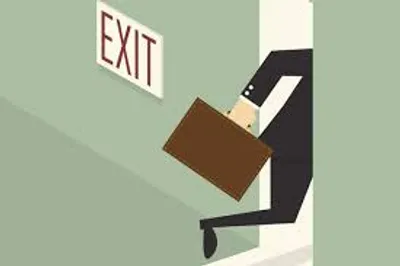
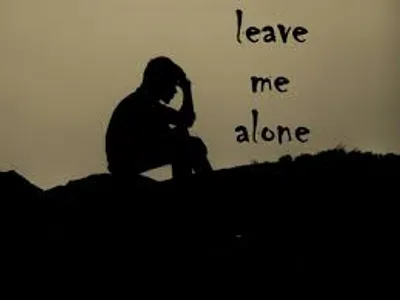
verb🔗ShareVerlassen, weggehenTo depart; to separate from."After lunch, the children left the park. "Nach dem Mittagessen verließen die Kinder den Park.actionplaceessentialChat with AIVocabulary GamePractice Reading
verb🔗ShareHinterlassen, übergebenTo transfer something."The teacher left the old textbook to the student. "Der Lehrer hinterließ das alte Lehrbuch dem Schüler.businesseconomyessentialChat with AIVocabulary GamePractice Reading
verb🔗ShareZurückbleiben, verweilenTo remain (behind); to stay."My sister will leave the house at 8:00 AM for school. "Meine Schwester wird um 8:00 Uhr morgens das Haus verlassen, um zur Schule zu gehen.actionsituationessentialChat with AIVocabulary GamePractice Reading
verb🔗ShareAufhören, ablassenTo stop, desist from; to "leave off" (+ noun / gerund)."After the test, the students left studying for the afternoon. "Nach dem Test hörten die Schüler nachmittags mit dem Lernen auf.actionlanguageessentialChat with AIVocabulary GamePractice Reading
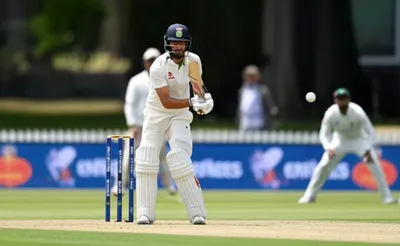
noun🔗ShareDas Weglassen, das NichtspielenThe action of the batsman not attempting to play at the ball."The batsman's leave was a clear sign that he didn't want to risk getting out. "Das Weglassen des Schlägers war ein klares Zeichen dafür, dass der Schlagmann nicht riskieren wollte, auszuscheiden.sportessentialChat with AIVocabulary GamePractice Reading
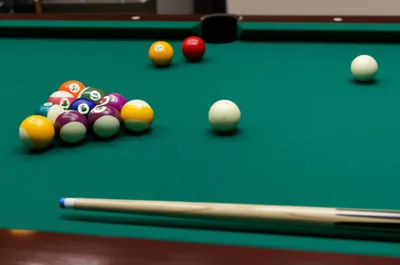
noun🔗ShareDie verbleibende Anordnung der Kugeln nach einem SchussThe arrangement of balls in play that remains after a shot is made (which determines whether the next shooter — who may be either the same player, or an opponent — has good options, or only poor ones)."The leave after Maria's shot was good; it left several open pockets for the next player. "Die verbleibende Anordnung nach Marias Schuss war gut; sie ließ mehrere offene Taschen für den nächsten Spieler.sportgameessentialChat with AIVocabulary GamePractice Reading
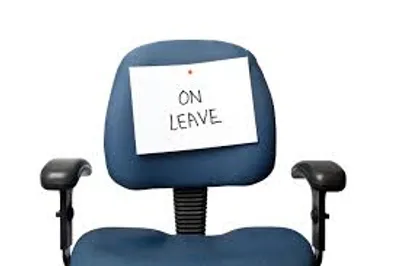
noun🔗ShareUrlaub, FreistellungPermission to be absent; time away from one's work."My teacher granted me leave for the week to visit my family. "Mein Lehrer gewährte mir für die Woche Urlaub, um meine Familie zu besuchen.timejobbusinessworkserviceessentialChat with AIVocabulary GamePractice Reading
noun🔗ShareErlaubnis, GenehmigungPermission."Might I beg leave to accompany you?"Darf ich um Erlaubnis bitten, Sie zu begleiten?rightessentialChat with AIVocabulary GamePractice Reading
noun🔗ShareAbschied, WeggangFarewell, departure."I took my leave of the gentleman without a backward glance."Ich verabschiedete mich von dem Herrn, ohne mich umzudrehen.actioneventtimeessentialChat with AIVocabulary GamePractice Reading
verb🔗ShareErlauben, gestattenTo give leave to; allow; permit; let; grant."We were not left go to the beach after school except on a weekend."Uns wurde nicht erlaubt, nach der Schule an den Strand zu gehen, außer am Wochenende.actionlanguagewordessentialChat with AIVocabulary GamePractice Reading
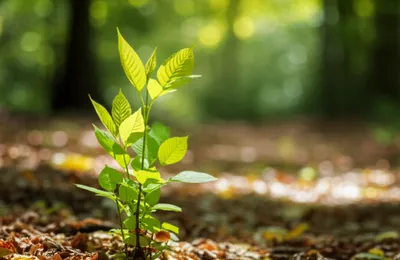
verb🔗ShareBlätter treiben, belaubt werdenTo produce leaves or foliage."The trees in the park are beginning to leave. "Die Bäume im Park beginnen, Blätter zu treiben.plantnaturebiologyorganismessentialChat with AIVocabulary GamePractice Reading
verb🔗ShareErheben, einziehenTo raise; to levy."The government will leave a tax on gasoline next year. "Die Regierung wird nächstes Jahr eine Steuer auf Benzin erheben.governmentpoliticsfinanceessentialChat with AIVocabulary GamePractice Reading