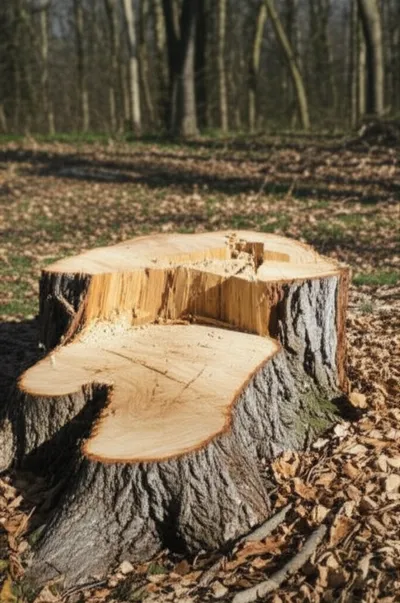
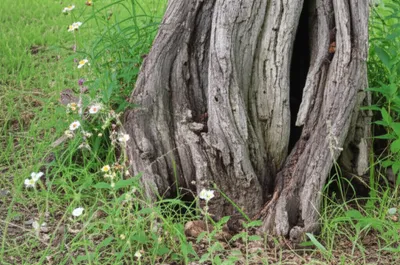
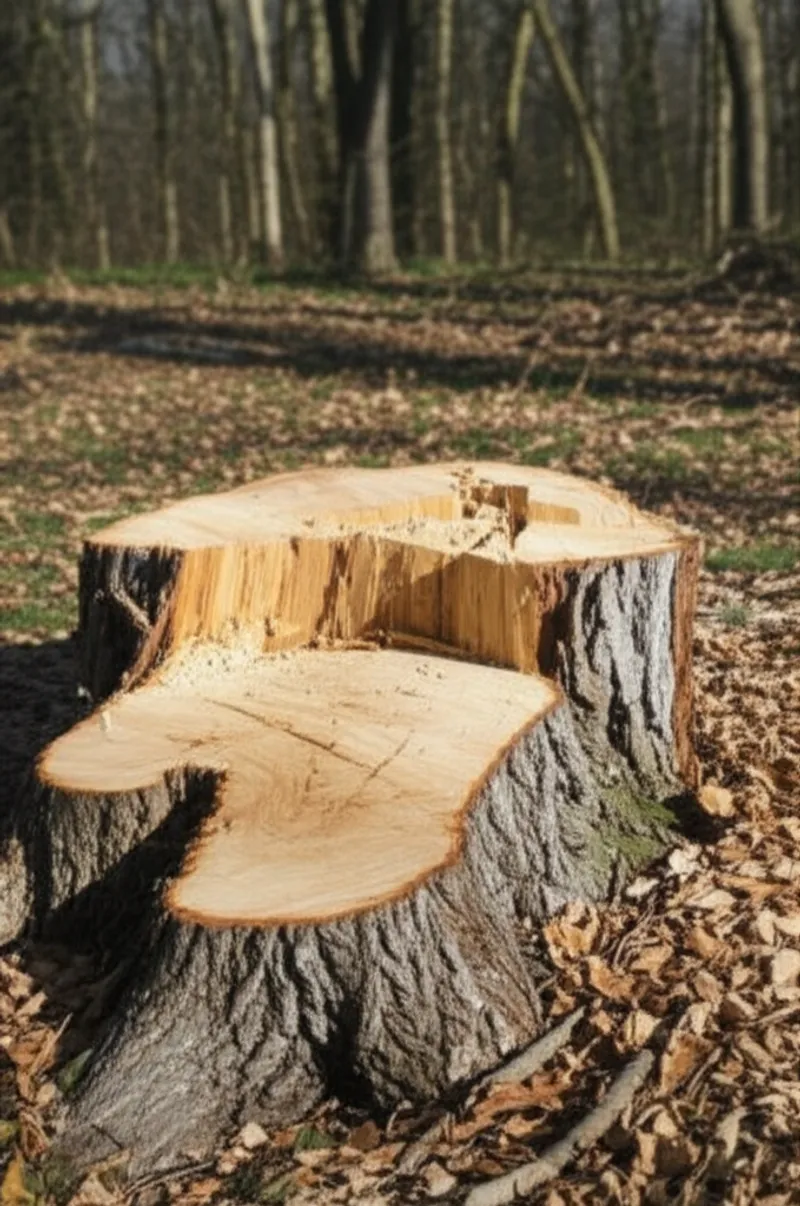
verb Télécharger 🔗Partager Écheniller, étêter To remove most of a tree, bush, or other rooted plant by cutting it close to the ground. Examples : "The farmer stubbed the old apple tree after it stopped producing fruit. " L'agriculteur a étêté le vieil pommier après qu'il a cessé de produire des fruits. environment agriculture plant action Chat avec IAJeu de vocabulairePratiquer la lecture
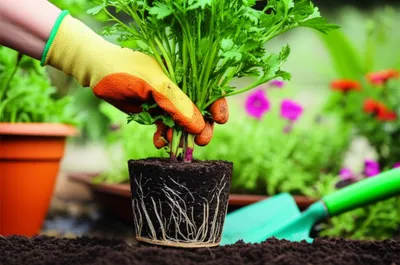
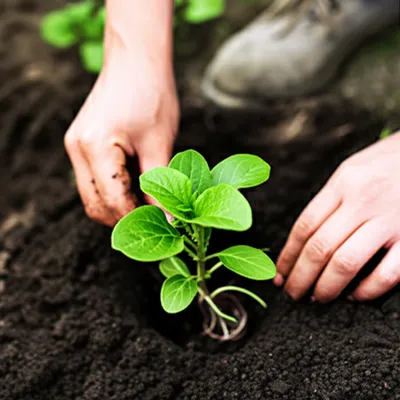
verb Télécharger 🔗Partager Arracher, déraciner To remove a plant by pulling it out by the roots. Examples : "The farmer stubbed the weeds from the garden to prepare the soil for planting new crops. " L'agriculteur a arraché les mauvaises herbes du jardin pour préparer le sol à la plantation de nouvelles cultures. plant agriculture action Chat avec IAJeu de vocabulairePratiquer la lecture
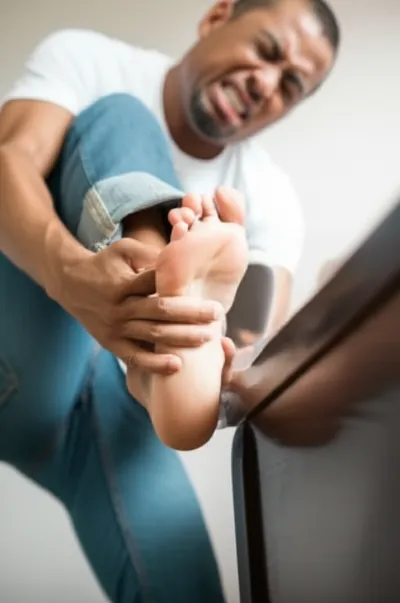
verb Télécharger 🔗Partager Se cogner, se heurter To jam, hit, or bump, especially a toe. Examples : "I stubbed my toe trying to find the light switch in the dark." Je me suis cogné l'orteil en essayant de trouver l'interrupteur dans le noir. body action part sensation Chat avec IAJeu de vocabulairePratiquer la lecture
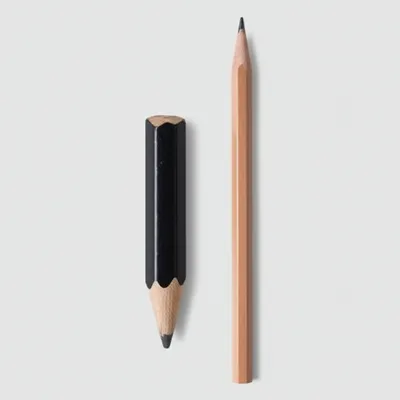
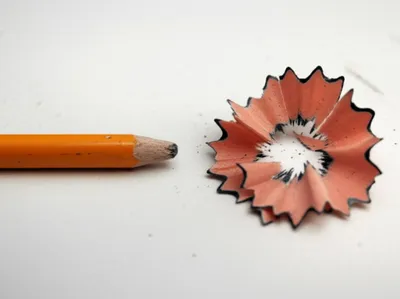
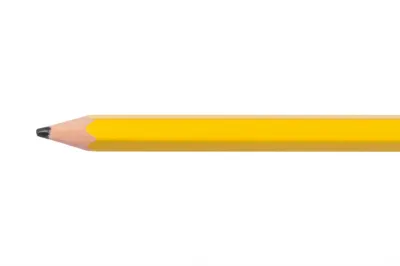
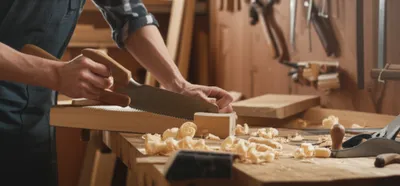
adjective Télécharger 🔗Partager Tronqué, court et épais Short and thick, like something truncated; blunt; obtuse. Examples : "The carpenter used a stubbed pencil to mark the wood because he kept breaking the tips. " Le charpentier a utilisé un crayon tronqué pour marquer le bois car il cassait sans cesse les pointes. appearance quality Chat avec IAJeu de vocabulairePratiquer la lecture
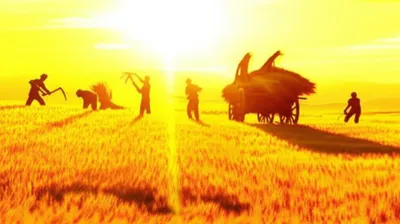
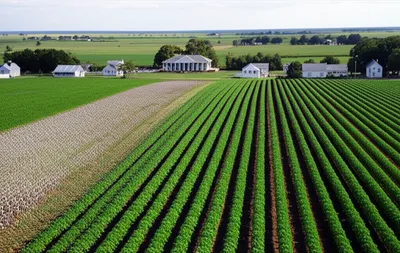
adjective Télécharger 🔗Partager Rempli de souches, trapu Abounding in stubs; stubby. Examples : "The field was stubbed with the remnants of the harvested wheat, making it difficult to walk across. " Le champ était rempli de souches des restes du blé récolté, ce qui rendait la traversée difficile. appearance quality Chat avec IAJeu de vocabulairePratiquer la lecture
adjective Télécharger 🔗Partager Robuste, résistant, rustique Not delicate; hardy; rugged. Examples : "The gardener had stubbed fingers, worn and strong from years of working the soil. " Le jardinier avait des doigts robustes, usés et forts après des années de travail de la terre. character quality appearance nature Chat avec IAJeu de vocabulairePratiquer la lecture