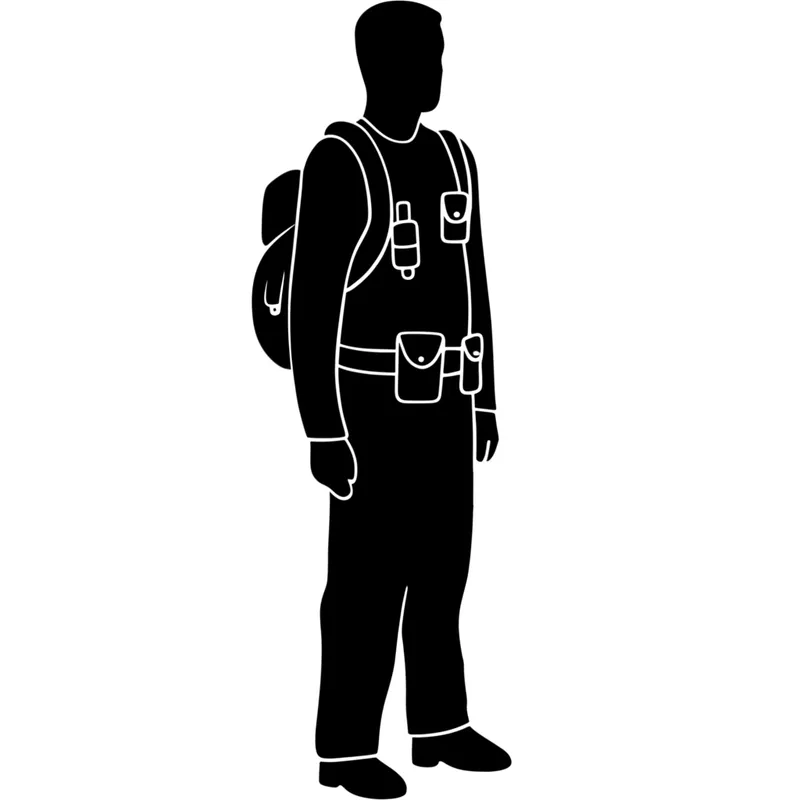

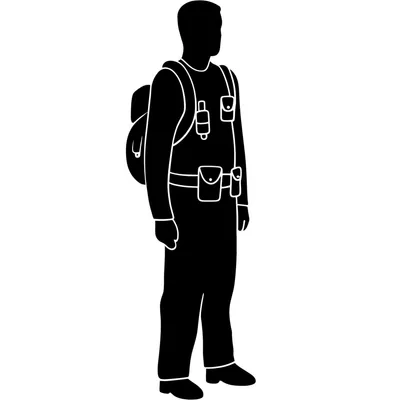






verb🔗SharePorter, arborerTo carry or have equipped on or about one's body, as an item of clothing, equipment, decoration, etc."My sister wore a bright red dress to the school dance. "Ma sœur portait une robe rouge vif au bal de l'école.appearancewearitemstyleChat with AIVocabulary GamePractice Reading
verb🔗SharePorter, arborerTo have or carry on one's person habitually, consistently; or, to maintain in a particular fashion or manner."He wears eyeglasses. She wears her hair in braids."Il porte des lunettes. Elle porte ses cheveux en tresses.appearancewearChat with AIVocabulary GamePractice Reading
verb🔗SharePorter, afficherTo bear or display in one's aspect or appearance."She wore a smile all day. He walked out of the courtroom wearing an air of satisfaction."Elle affichait un sourire toute la journée. Il est sorti de la salle d'audience avec un air de satisfaction.appearanceChat with AIVocabulary GamePractice Reading
verb🔗ShareSurmonter, endurer(with "it") To overcome one's reluctance and endure a (previously specified) situation."She wore down her fear of public speaking and finally gave her presentation. "Elle a surmonté sa peur de parler en public et a finalement fait sa présentation.attitudesituationmindChat with AIVocabulary GamePractice Reading
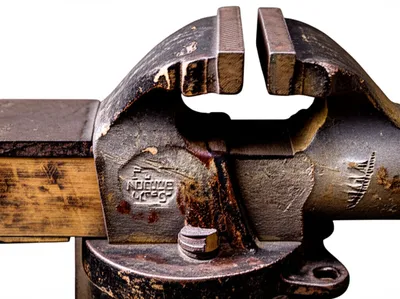
verb🔗ShareUser, éroder, consumerTo eat away at, erode, diminish, or consume gradually; to cause a gradual deterioration in; to produce (some change) through attrition, exposure, or constant use."The constant use of the old pencil had worn away the graphite. "L'utilisation constante du vieux crayon avait usé la mine de graphite.materialgeologyenvironmentwearconditionprocesstimeChat with AIVocabulary GamePractice Reading
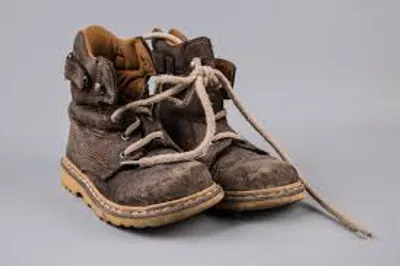
verb🔗ShareS'user, s'abîmerTo undergo gradual deterioration; become impaired; be reduced or consumed gradually due to any continued process, activity, or use."The old car's engine was worn out from years of daily use. "Le moteur de la vieille voiture était usé par des années d'utilisation quotidienne.conditionprocesstimewearChat with AIVocabulary GamePractice Reading
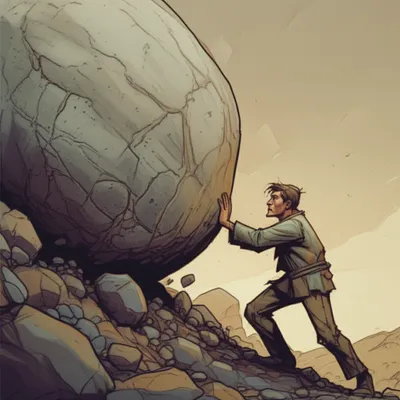
verb🔗ShareÉpuiser, fatiguerTo exhaust, fatigue, expend, or weary."His neverending criticism has finally worn my patience. Toil and care soon wear the spirit. Our physical advantage allowed us to wear the other team out and win."Ses critiques incessantes ont fini par épuiser ma patience. Le labeur et les soucis finissent vite par fatiguer l'esprit. Notre avantage physique nous a permis d'épuiser l'autre équipe et de gagner.physiologyconditionwearbodyenergyChat with AIVocabulary GamePractice Reading
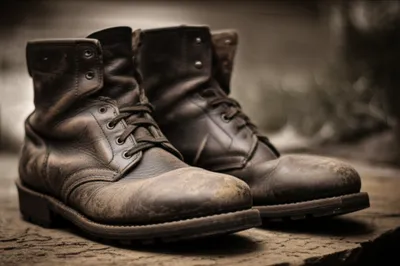
verb🔗ShareDurer, résister, s'userTo last or remain durable under hard use or over time; to retain usefulness, value, or desirable qualities under any continued strain or long period of time; sometimes said of a person, regarding the quality of being easy or difficult to tolerate."The old leather briefcase has worn well, still holding all my important documents after years of daily use. "La vieille serviette en cuir a bien duré, contenant toujours tous mes documents importants après des années d'utilisation quotidienne.qualitytimewearconditionChat with AIVocabulary GamePractice Reading
verb🔗ShareÉpuiser, user, taper sur les nerfs(in the phrase "wearing on (someone)") To cause annoyance, irritation, fatigue, or weariness near the point of an exhaustion of patience."Her high pitched voice is really wearing on me lately."Sa voix aiguë commence vraiment à m'épuiser ces derniers temps.emotionmindsensationChat with AIVocabulary GamePractice Reading
verb🔗ShareS'écouler lentement(of time) To pass slowly, gradually or tediously."wear on, wear away. As the years wore on, we seemed to have less and less in common."Au fil des années, il semblait que nous avions de moins en moins de points communs.timeChat with AIVocabulary GamePractice Reading
verb🔗Sharevirer de bordTo bring (a sailing vessel) onto the other tack by bringing the wind around the stern (as opposed to tacking when the wind is brought around the bow); to come round on another tack by turning away from the wind. Also written "ware". Past: weared, or wore/worn."The sailboat weared, bringing the wind from the front to the back of the boat. "Le voilier a viré de bord, amenant le vent de l'avant à l'arrière du bateau.nauticalsailingtechnicalChat with AIVocabulary GamePractice Reading
verb🔗ShareGarder, surveillerTo guard; watch; keep watch, especially from entry or invasion."The security guard wore the building all night to prevent any intruders. "L'agent de sécurité a gardé le bâtiment toute la nuit pour empêcher toute intrusion.militarypolicegovernmentactionChat with AIVocabulary GamePractice Reading
verb🔗ShareDéfendre, protégerTo defend; protect."The soldiers were worn by their commanding officer, who kept them safe from harm during the ambush. "Les soldats étaient protégés par leur officier commandant, qui les a gardés en sécurité pendant l'embuscade.militarywaractionChat with AIVocabulary GamePractice Reading
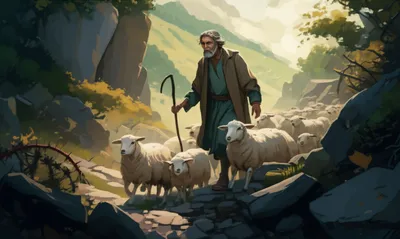
verb🔗ShareÉcarter, repousser, éloignerTo ward off; prevent from approaching or entering; drive off; repel."to wear the wolf from the sheep"Écarter le loup des moutons.actionmilitaryChat with AIVocabulary GamePractice Reading
verb🔗ShareMener avec précaution, protégerTo conduct or guide with care or caution, as into a fold or place of safety."The teacher carefully worn the shy student into the group discussion, guiding him gently toward a comfortable place to participate. "Le professeur a mené avec précaution l'élève timide dans la discussion de groupe, le guidant doucement vers un endroit confortable pour participer.actionwearChat with AIVocabulary GamePractice Reading
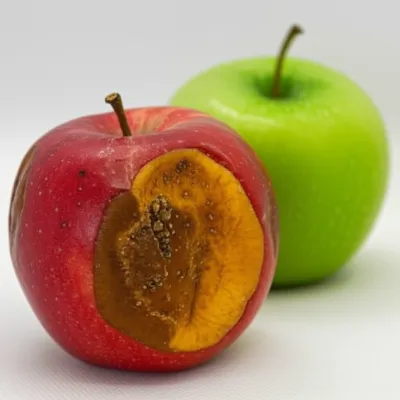
adjective🔗ShareUsé, râpéDamaged and shabby as a result of much use"The old jacket, worn from years of daily use, was finally replaced. "La vieille veste, usée par des années d'utilisation quotidienne, a finalement été remplacée.appearanceconditionqualityChat with AIVocabulary GamePractice Reading