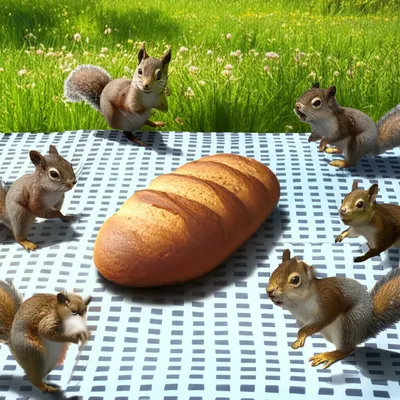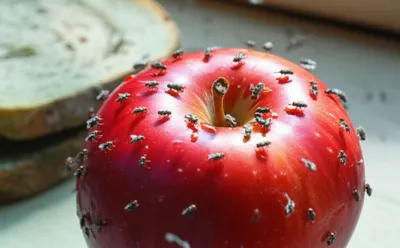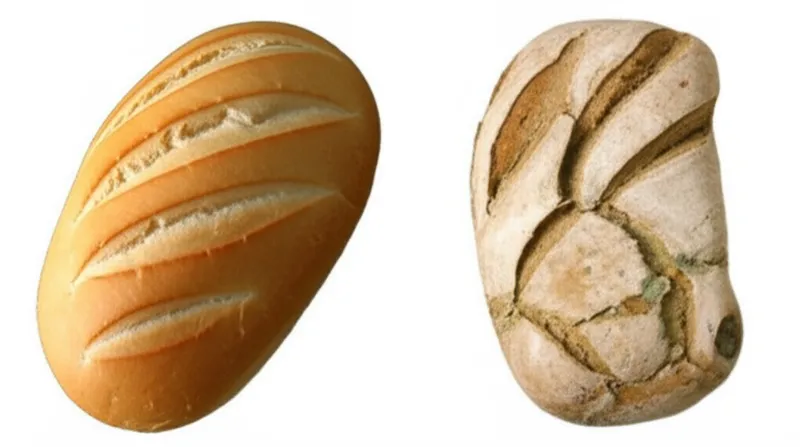

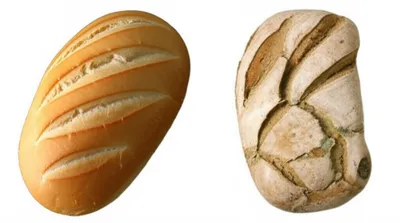
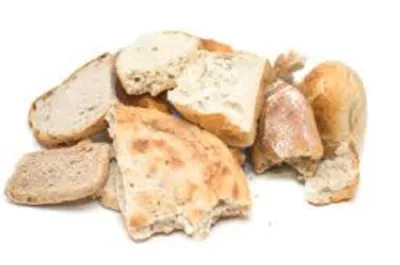

noun🔗ShareЧерствый хлебSomething stale; a loaf of bread or the like that is no longer fresh."The stale bread was left on the counter, so we didn't eat it for lunch. "Черствый хлеб оставили на прилавке, поэтому мы не стали есть его на обед.foodconditionChat with AIVocabulary GamePractice Reading
verb🔗ShareВыдерживать(of alcohol) To make stale; to age in order to clear and strengthen (a drink, especially beer)."The brewer will stale the ale in oak casks for six months to improve its clarity and potency before selling it. "Пивовар будет выдерживать эль в дубовых бочках в течение шести месяцев, чтобы улучшить его прозрачность и крепость, прежде чем продавать его.drinkfoodprocessChat with AIVocabulary GamePractice Reading
verb🔗ShareДелать негодным, устаревать, приедатьсяTo make stale; to cause to go out of fashion or currency; to diminish the novelty or interest of, particularly by excessive exposure or consumption."The constant repetition of the same math problems in class staleled the students' interest in the subject. "Постоянное повторение одних и тех же математических задач в классе приелось ученикам и отбило интерес к предмету.stylefoodentertainmentmediacultureChat with AIVocabulary GamePractice Reading
verb🔗ShareЗачерстветь, испортитьсяTo become stale; to grow odious from excessive exposure or consumption."The constant repetition of the same lunch menu at school made the sandwiches stale. "Постоянное повторение одного и того же обеденного меню в школе сделало сэндвичи черствыми.foodconditionChat with AIVocabulary GamePractice Reading
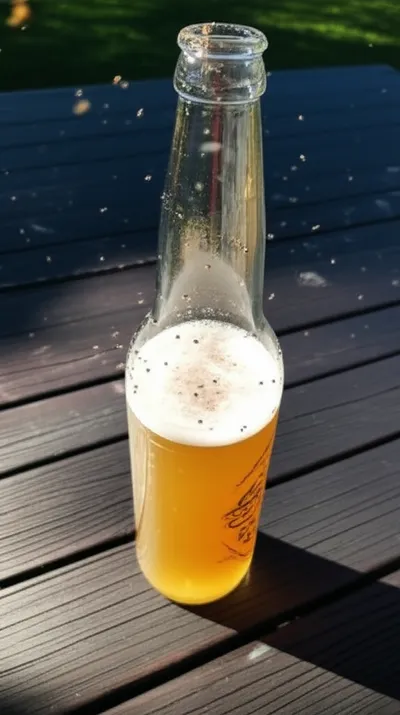
verb🔗ShareСтановиться несвежим(alcohol) To become stale; to grow unpleasant from age."The wine had stale over the past few months, losing its flavour and becoming unpleasant to drink. "Вино за последние несколько месяцев стало несвежим, потеряло свой вкус и стало неприятным для питья.drinkfoodchemistryChat with AIVocabulary GamePractice Reading
adjective🔗ShareСтарый и крепкий(alcohol) Clear, free of dregs and lees; old and strong."The cellar held bottles of stale ale, aged for decades and potent enough to knock you off your feet. "В погребе хранились бутылки старого, крепкого эля, выдержанного десятилетиями и достаточно крепкого, чтобы сбить вас с ног.drinkagefoodChat with AIVocabulary GamePractice Reading
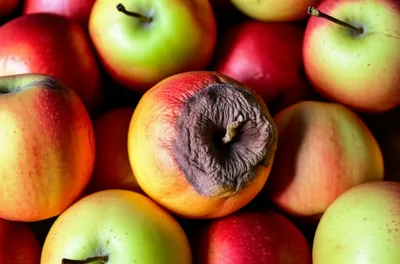
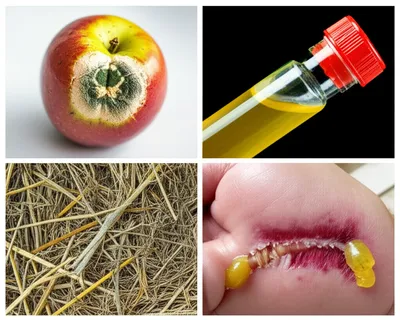
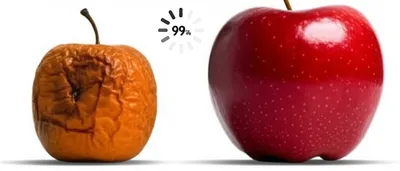
adjective🔗ShareНесвежий, черствыйNo longer fresh, in reference to food, urine, straw, wounds, etc."The bread was stale, so I didn't eat it for breakfast. "Хлеб был черствым, поэтому я не стал есть его на завтрак.foodconditionChat with AIVocabulary GamePractice Reading
adjective🔗ShareИзбитый, устаревший, несвежийNo longer fresh, new, or interesting, in reference to ideas and immaterial things; cliche, hackneyed, dated."The comedian's jokes were stale and predictable, so the audience didn't laugh. "Шутки комика были избитыми и предсказуемыми, поэтому зрители не смеялись.stylelanguagemindqualityChat with AIVocabulary GamePractice Reading
adjective🔗ShareНегодный, устаревшийNo longer nubile or suitable for marriage, in reference to people; past one's prime."Aunt Agnes, though charming, was considered stale by the neighborhood matchmakers; she was simply no longer considered a suitable candidate for marriage. "Тетя Агнес, хотя и очаровательная, считалась устаревшей свахами по соседству; ее просто больше не считали подходящей кандидатурой для брака.agepersonfamilysexChat with AIVocabulary GamePractice Reading
adjective🔗ShareЗалежныйFallow, in reference to land."After years of yielding poor harvests, the farmer decided to let the field lie stale for a season to replenish its nutrients. "После многих лет низкого урожая фермер решил оставить поле залежным на сезон, чтобы восстановить его питательные вещества.agricultureChat with AIVocabulary GamePractice Reading
adjective🔗ShareПросроченный, устаревшийUnreasonably long in coming, in reference to claims and actions."a stale affidavit"просроченное заявление под присягойlawpoliticsactionattitudetimeChat with AIVocabulary GamePractice Reading
adjective🔗ShareЗастойный, устаревшийTaking a long time to change"The political debate on healthcare has been a stale issue, dragging on for years without significant progress. "Политические дебаты о здравоохранении стали застойным вопросом, тянущимся годами без существенного прогресса.timeconditionChat with AIVocabulary GamePractice Reading
adjective🔗ShareИзмученный, уставшийWorn out, particularly due to age or over-exertion, in reference to athletes and animals in competition."The marathon runner felt stale after weeks of intense training. "Марафонец почувствовал себя измученным после нескольких недель интенсивных тренировок.sportanimalphysiologyconditionChat with AIVocabulary GamePractice Reading
adjective🔗ShareНесвежий, просроченный, просроченныйOut of date, unpaid for an unreasonable amount of time, particularly in reference to checks.""The cashier wouldn't accept the check because it was six months old and considered stale." "Кассир не принял чек, потому что ему было шесть месяцев, и он считался просроченным.businessfinanceChat with AIVocabulary GamePractice Reading
adjective🔗ShareУстаревший, неактуальныйOf data: out of date; not synchronized with the newest copy."The bug was found to be caused by stale data in the cache."Было обнаружено, что ошибка вызвана устаревшими данными в кеше.computingtechnologyinternetinfoChat with AIVocabulary GamePractice Reading
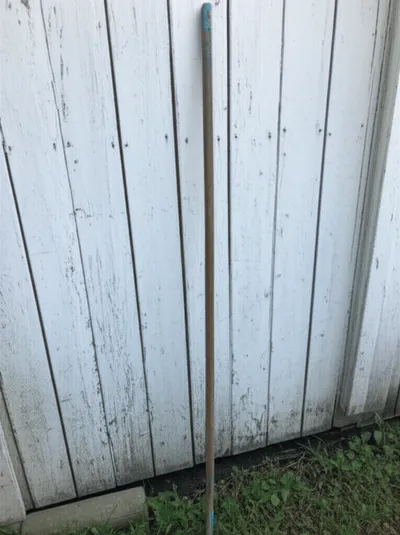
noun🔗ShareЧеренок, ручкаA long, thin handle (of rakes, axes, etc.)"The farmer gripped the stale of his hoe, ready to till the field before the sun got too high. "Фермер схватил черенок своей мотыги, готовый вспахать поле, пока солнце не поднялось слишком высоко.partutensilChat with AIVocabulary GamePractice Reading
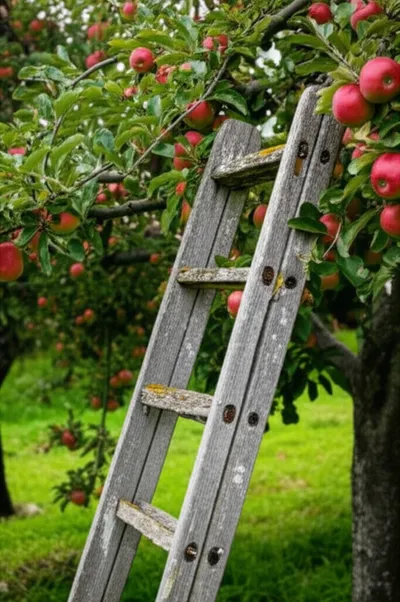
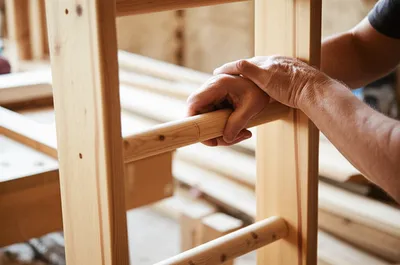
noun🔗ShareСтойки и перекладины лестницыThe posts and rungs composing a ladder."The carpenter carefully inspected the stale of the ladder before starting repairs. "Плотник тщательно осмотрел стойки и перекладины лестницы перед началом ремонта.architecturepartbuildingChat with AIVocabulary GamePractice Reading
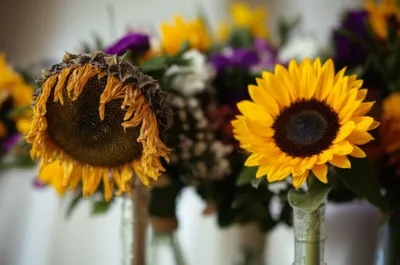
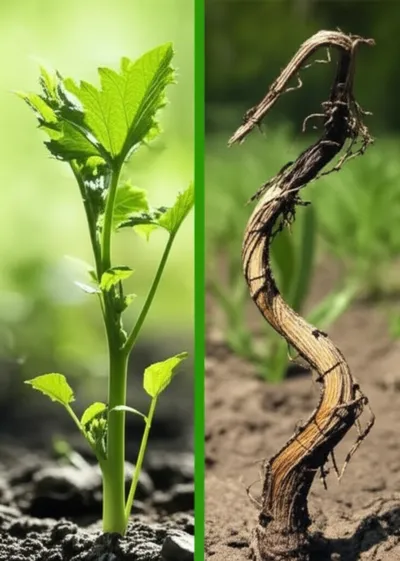
noun🔗ShareСтебельThe stem of a plant."The plant's stale was too short to support the weight of the flower. "Стебель растения был слишком коротким, чтобы выдержать вес цветка.plantpartbiologyChat with AIVocabulary GamePractice Reading
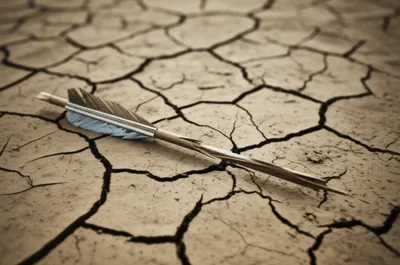
noun🔗ShareДревкоThe shaft of an arrow, spear, etc."The craftsman carefully examined the stale of the newly made arrow for any imperfections. "Ремесленник тщательно осмотрел древко новой стрелы на наличие каких-либо дефектов.weaponpartChat with AIVocabulary GamePractice Reading
verb🔗ShareДелать лестницуTo make a ladder by joining rungs ("stales") between the posts."The carpenter stale the ladder for the repair job, joining the rungs between the wooden posts. "Плотник сделал лестницу для ремонтных работ, соединив ступени между деревянными столбами.architecturestructurebuildingChat with AIVocabulary GamePractice Reading
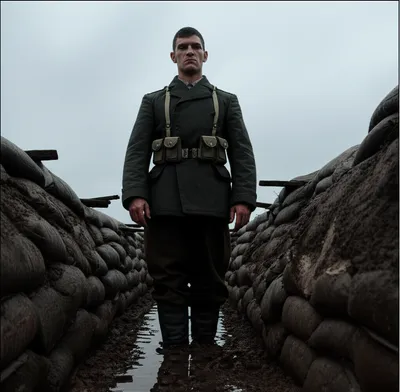
noun🔗ShareПозиция, постA fixed position, particularly a soldier's in a battle-line."The soldiers maintained their stale, awaiting the signal to advance. "Солдаты удерживали свою позицию, ожидая сигнала к наступлению.militarypositionwarChat with AIVocabulary GamePractice Reading
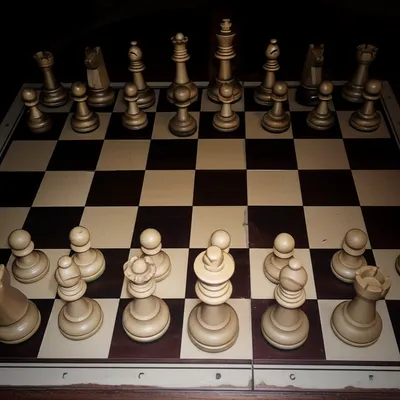
noun🔗ShareПат, ничьяA stalemate; a stalemated game."The chess match ended in a stale after two hours, neither player able to make a winning move. "Шахматная партия закончилась патом через два часа, ни один из игроков не смог сделать выигрышный ход.gameChat with AIVocabulary GamePractice Reading
noun🔗ShareЗасадаAn ambush."The rebels prepared a stale in the forest, hoping to surprise the approaching soldiers. "Повстанцы подготовили засаду в лесу, надеясь застать врасплох приближающихся солдат.militarywaractionChat with AIVocabulary GamePractice Reading
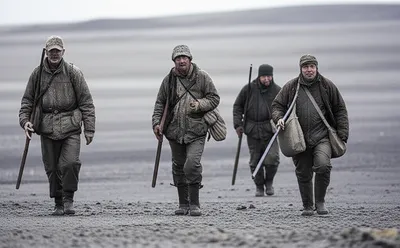
noun🔗ShareОтряд, бандаA band of armed men or hunters."The local farmers formed a stale to protect their crops from the wild boar. "Местные фермеры сформировали отряд, чтобы защитить свои посевы от диких кабанов.militarygroupChat with AIVocabulary GamePractice Reading
noun🔗ShareОсновные силы, главные силыThe main force of an army."The stale of the army's invasion force marched toward the city. "Основные силы вторжения армии двинулись к городу.militaryChat with AIVocabulary GamePractice Reading
verb🔗ShareПоставить в патTo stalemate."The negotiations between the teachers and the school board stale because neither side would compromise. "Переговоры между учителями и школьным советом зашли в тупик, потому что ни одна из сторон не хотела идти на компромисс.gamesportstateChat with AIVocabulary GamePractice Reading
verb🔗ShareЗайти в тупик, оказаться в патовой ситуацииTo be stalemated."The debate about who gets the last slice of pizza completely stalled; the discussion became stale. "Дебаты о том, кому достанется последний кусок пиццы, полностью зашли в тупик; обсуждение оказалось в патовой ситуации.statepoliticsgovernmentsituationChat with AIVocabulary GamePractice Reading
adjective🔗ShareЗашедший в тупик, безвыходныйAt a standstill; stalemated."The project was stale; no new ideas were being generated. "Проект зашел в тупик; новые идеи не генерировались.conditionsituationChat with AIVocabulary GamePractice Reading
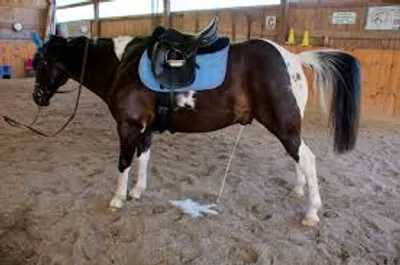
noun🔗ShareМоча(livestock) Urine, especially used of horses and cattle."The farmer carefully avoided the area where the horses had deposited their stale. "Фермер тщательно избегал области, где лошади оставили свою мочу.animalphysiologyagriculturebiologyChat with AIVocabulary GamePractice Reading
verb🔗ShareМочиться(livestock) To urinate, especially used of horses and cattle."The old mare will often stale right after she finishes drinking from the trough. "Старая кобыла часто мочится сразу после того, как допьет из корыта.animalphysiologyChat with AIVocabulary GamePractice Reading
noun🔗ShareЖивая приманкаA live bird to lure birds of prey or others of its kind into a trap."The falconer carefully positioned the stale, hoping its calls would attract a wild hawk. "Сокольник осторожно расположил живую приманку, надеясь, что ее крики привлекут дикого ястреба.animalbirdChat with AIVocabulary GamePractice Reading
noun🔗ShareПриманкаAny lure, particularly in reference to people used as live bait."The detective used the young man as a stale, hoping to catch the real criminal. "Детектив использовал молодого человека как приманку, надеясь поймать настоящего преступника.humanpersonChat with AIVocabulary GamePractice Reading
noun🔗ShareПриманка, сообщникAn accomplice of a thief or criminal acting as bait."The police arrested the thief and his stale, who had lured the victim into the trap. "Полиция арестовала вора и его приманку, которая заманила жертву в ловушку.policepersonjobChat with AIVocabulary GamePractice Reading
noun🔗ShareПокинутый, отвергнутыйA partner whose beloved abandons or torments him in favor of another."After Sarah broke up with him, Mark felt like a stale; he was left feeling unwanted and rejected. "После того, как Сара рассталась с ним, Марк почувствовал себя покинутым; он чувствовал себя ненужным и отвергнутым.personliteraturecharacterhumansufferingemotionstoryChat with AIVocabulary GamePractice Reading
noun🔗ShareМарионетка, пешкаA patsy, a pawn, someone used under some false pretext to forward another's (usu. sinister) designs; a stalking horse."The new student was a stale for the popular group's plan to disrupt the school elections. "Новый ученик был пешкой в плане популярной группы по срыву школьных выборов.personcharacterpoliticsjobChat with AIVocabulary GamePractice Reading
noun🔗ShareПроститутка, шлюхаA prostitute of the lowest sort; any wanton woman.sexpersonhumansocietyChat with AIVocabulary GamePractice Reading
noun🔗ShareПриманка, подсадная уткаAny decoy, either stuffed or manufactured."The hunter placed a stale in the field to attract ducks. "Охотник положил приманку в поле, чтобы привлечь уток.animalthinggameChat with AIVocabulary GamePractice Reading
verb🔗ShareСлужить приманкой, заманиватьTo serve as a decoy, to lure."The thief stalled the security guard by stale-ing a bag of garbage near the exit. "Вор заманил охранника, подкинув мешок с мусором возле выхода.actionanimalgameChat with AIVocabulary GamePractice Reading